


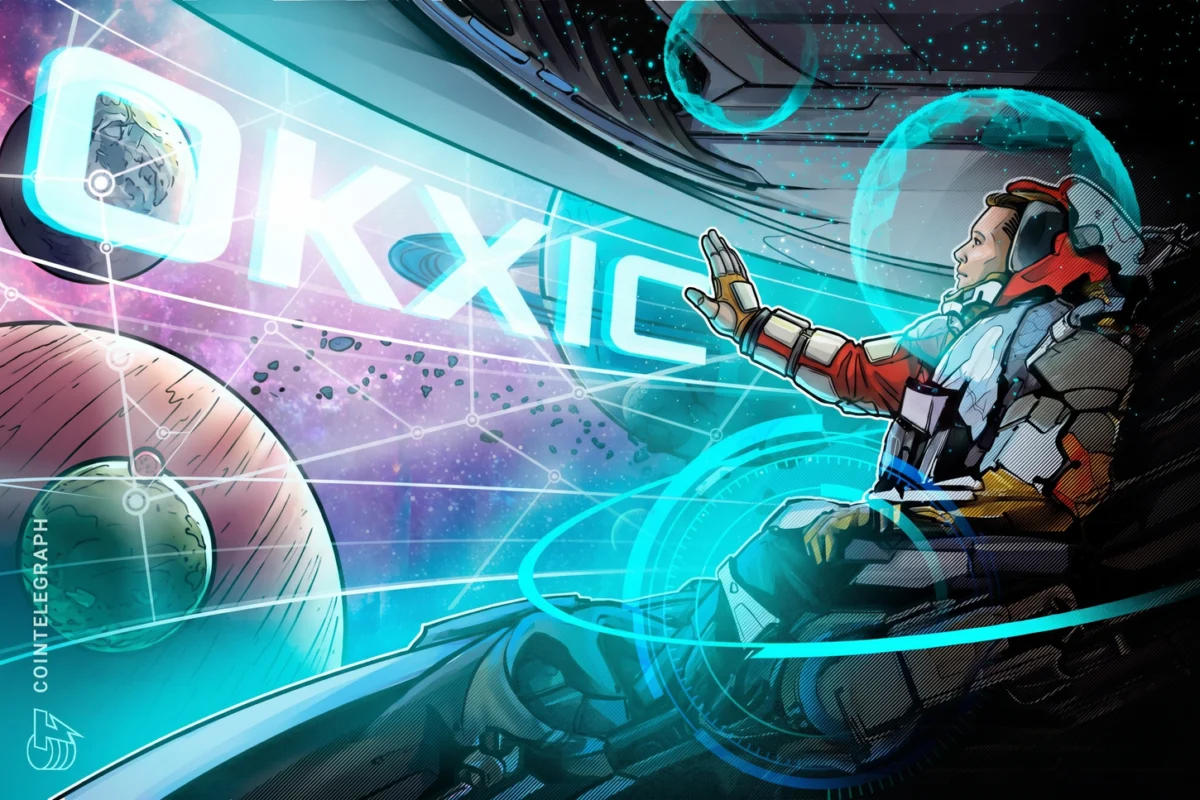
Just months after tokenized versions of SpaceX shares emerged as one of the primary catalysts driving massive volumes of onchain stock trading, the aerospace and defense manufacturer is pushing back against plans to introduce similar tokenized trading to investors based in the United States.
According to a public regulatory notice published on November 2 by OKXICE, SpaceX has formally registered an objection to the proposed listing of tokenized iterations of its equity on the trading venue. OKXICE operates as a collaborative joint venture formed between major cryptocurrency exchange OKX and Intercontinental Exchange (ICE), the prominent parent company of the New York Stock Exchange. With this official filing, SpaceX joins other corporate giants such as Tesla and Amazon among a total of 56 prominent companies that have formally objected to the proposed listings under the current regulatory review period.
The underlying mechanism making these listings possible stems from the Securities and Exchange Commission’s five-year Innovation Exemption, a regulatory framework introduced in September. Under this sandbox-style program, specialized trading platforms like OKXICE are granted the ability to offer trading services for tokenized versions of United States equities without being forced to undergo the rigorous, traditional process of registering as national securities exchanges. However, the regulatory framework simultaneously incorporates a protective mechanism for issuers: participating companies are given a strict 30-day window to object to the proposed trading of their company shares when they are tokenized by third parties. This veto power effectively grants corporate issuers the authority to keep these blockchain-based tokens off the platform entirely.
For the uninitiated, tokenized stocks function as blockchain-based digital representations of traditional corporate shares. They are designed to allow investors to gain direct financial exposure to traditional equities entirely onchain, frequently with the added advantage of around-the-clock trading capabilities. Depending on the specific architectural structure utilized by the issuer, these digital tokens can be backed by actual, underlying shares held in custody. Nevertheless, the precise legal rights and corporate privileges granted to the holders of these tokens can differ significantly from the rights enjoyed by traditional registered shareholders.
The friction surrounding these listings has not caught platform operators entirely by surprise. Andrew Cuomo, the co-chair of OKXICE and former Governor of New York, remarked to Cointelegraph during an interview on October 20 that the joint venture fully anticipated receiving a wave of corporate objections. He explained that companies were naturally hesitant and actively avoiding the position of being the absolute first to test out and validate the innovative new trading model.
SpaceX’s decisive objection arrives despite the reality that tokenized iterations of its shares are already actively trading on various financial platforms located outside the United States. In those international jurisdictions, these digital instruments have successfully attracted significant trading activity and liquidity ever since the aerospace manufacturer’s public offering took place back in June.
Offshore trading since June
Ahead of the initial SpaceX public listing earlier this year, specialized infrastructure providers moved quickly to capture market demand. Backpack Securities, operating as a digital asset stock brokerage and tokenization platform, alongside major crypto exchange Kraken via its proprietary xStocks offering, both prepared and deployed tokenized versions of the aerospace company’s stock. Both offerings were specifically engineered to be backed by actual, physical shares of the enterprise.
The market response was immediate and substantial. Backpack’s proprietary digital token, known by the ticker SPCX, went on to record an impressive $1.08 billion in cumulative onchain trading volume over the course of June alone. Meanwhile, Kraken’s competing tokenized product, designated as SPCXx, logged a similarly robust $852 million in trading volume during the same timeframe.
Unlike the offshore availability offered by Backpack and Kraken, however, the OKXICE venture represents a distinct leap forward by aiming to open tokenized stock trading directly to US-based retail and institutional investors. By leveraging the SEC’s newly established regulatory framework, the platform has the potential to tap directly into the world’s largest equity market by overall capitalization, thereby dramatically expanding the potential investor base for tokenized securities and blurring the traditional lines between decentralized finance and legacy capital markets.
The aggressive push into tokenized equities has faced broader institutional resistance beyond individual corporate boardrooms. In September, Nasdaq issued a formal warning to corporate issuers, advising them to exercise extreme caution regarding their participation in the OKXICE venture. Market operators at Nasdaq argued that the widespread adoption of fragmented tokenized stock trading could severely fracture market liquidity and ultimately undermine long-term shareholder value by drawing trading activity away from primary, regulated exchanges.
Despite the growing wall of corporate opposition and regulatory skepticism, proponents of the technology remain optimistic about its long-term viability. Speaking during an October 30 press conference, Cuomo maintained that as market participants begin to visibly witness the structural and operational benefits of asset tokenization, corporate resistance will gradually fade, leading to a point where an increasing number of companies ultimately choose to participate in the ecosystem.



Comments (0)