


By TechCrunch News
Published November 7, 2026, at 1:17 PM PST
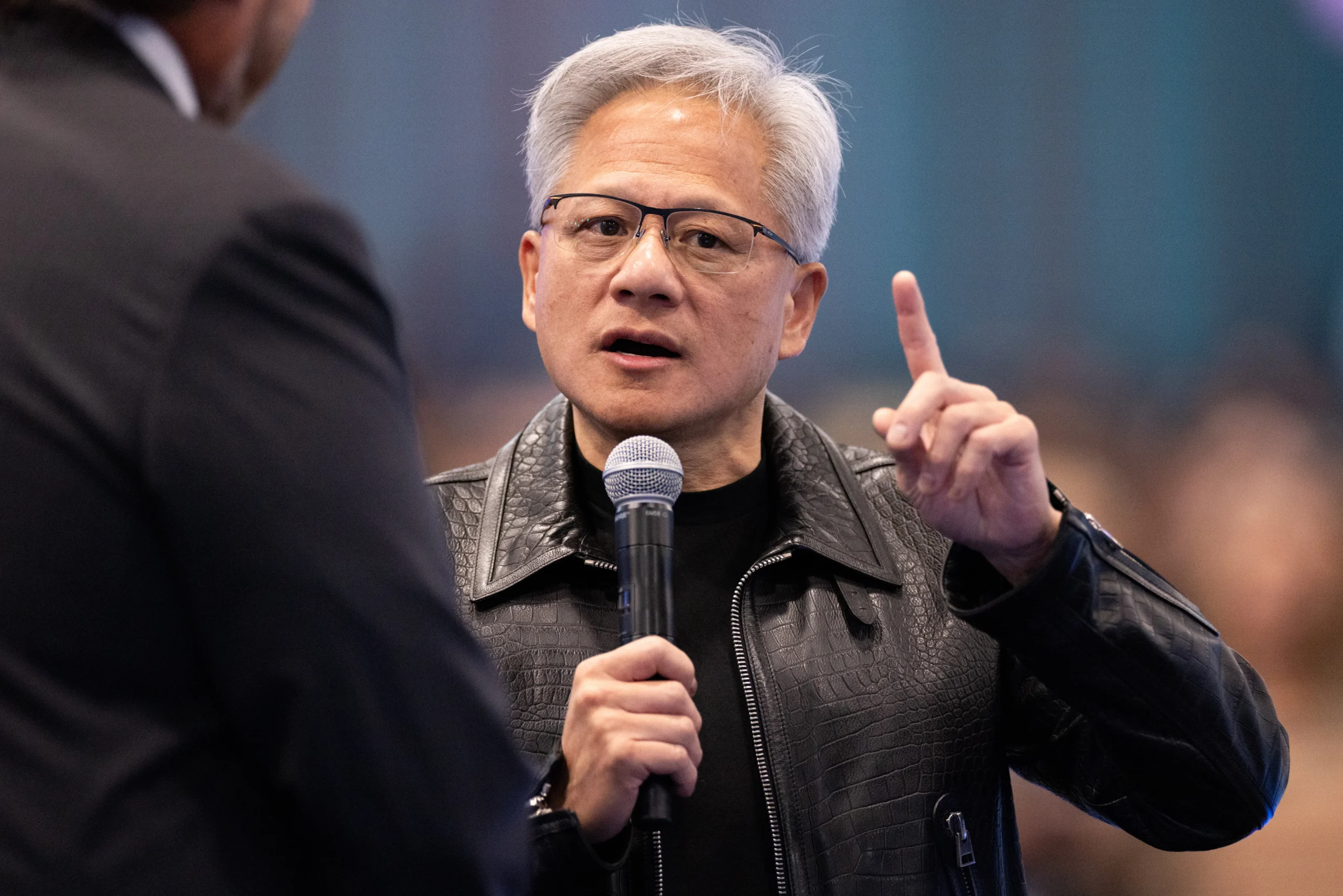
A confidential intelligence memo circulated earlier this year has cast a spotlight on the intersection of geopolitics, corporate espionage, and the upper echelons of the global semiconductor industry. According to multiple media reports, the document claims that technology executive Alice Huang was recruited by China’s Ministry of State Security to gather intelligence on Nvidia CEO Jensen Huang.
The existence of the memo first came to public light through reporting by The New York Times, which detailed how American intelligence agencies identified Jensen Huang as a potential target of Chinese intelligence operations. Subsequent reporting by The Financial Times expanded on the contents of the memo, revealing that it also alleged that the Nvidia chief executive had maintained a romantic relationship with Alice Huang, an executive associated with Megaspeed, a technology firm based in Singapore.
The revelations arrive at a time of heightened sensitivity surrounding national security, supply chains, and the geopolitical chess match over advanced artificial intelligence hardware. Nvidia, led by Jensen Huang, has emerged as the central economic and technological engine of the global artificial intelligence boom, making its leadership and intellectual property high-value targets for foreign intelligence services.
Response From Nvidia and Industry Scrutiny
In the wake of the reports, representatives for Nvidia have addressed the claims with a measured response, seeking to contextualize the executive interactions while emphasizing the security of the company’s proprietary technology.

A spokesperson for Nvidia told The New York Times that Jensen Huang’s professional and personal interactions with Alice Huang were "not unusual" given the interconnected nature of the global technology sector. Furthermore, the spokesperson firmly pushed back against any notion that sensitive corporate or classified data could have been compromised through these channels, emphasizing that Nvidia does not share classified information with its customers or external partners.
The company also underscored its commitment to domestic priorities and compliance with U.S. export controls, stating that Nvidia sells "the first, best and most of our technology in America." This emphasis on domestic positioning comes as regulatory bodies scrutinize how advanced chips flow across international borders and whether intermediary entities are being used to bypass trade restrictions.
Front Companies and Export Control Concerns
The release of the intelligence memo coincides with a broader investigative focus on how Chinese firms attempt to acquire restricted American semiconductor technology. In a separate report published by The New York Times, journalists examined New Matrix, a corporate entity that had successfully secured authorization from the U.S. Commerce Department to purchase advanced Nvidia artificial intelligence chips.
However, when reporters visited the physical office address listed on official filings for New Matrix, they did not find a bustling tech enterprise or operational hub. Instead, they discovered what was described as "a hollow gray shell." This physical reality raised immediate red flags among trade compliance experts and government monitors, intensifying concerns that New Matrix may be operating as a front company designed to obscure the true beneficiaries of the chip transactions—potentially including blacklisted private equity firms or military-linked entities in China.
The intersection of these two reports—one detailing alleged human intelligence operations targeting Nvidia’s chief executive, and the other exposing questionable corporate structures attempting to buy advanced hardware—illustrates the multifaceted challenges facing American technology giants in the current geopolitical climate. As artificial intelligence hardware becomes the defining currency of modern geopolitical power, companies like Nvidia find themselves navigating a complex landscape where commercial expansion abroad increasingly intersects with national security imperatives and counterintelligence vigilance.
Investigations into the intelligence memo and the network of authorized chip buyers are ongoing, as policymakers and regulators continue to evaluate the vulnerabilities inherent in the global technology supply chain.





Comments (0)