



As artificial intelligence reshapes the boundaries of modern economics, corporate scale has evolved far beyond historical imagination. Over a century ago, the financial world experienced a paradigm shift when US Steel became the first company to cross the coveted $1 billion threshold in 1901. At the time, that figure was widely regarded as an almost unthinkable sum. Contemporary accounts marveled at the magnitude, noting that while hundreds of millions commanded respect, a billion—a thousand million—seemed merely a row of figures that could hardly be computed by standard financial frameworks of the era.
Today, the numeric benchmark that investors must grapple with is not the billion, but the trillion. The modern corporate landscape now boasts 11 publicly traded companies worth more than $1 trillion. To put this astronomical accumulation of wealth into perspective, consider a simple thought experiment: if an individual were to earn $1 every second of the day, every single day, without spending a single cent, they would not reach a net worth of $1 trillion until the year 33,168. Because investors are unlikely to live long enough to witness that timeline, they must rely on the expectation that trillion-dollar corporations will generate revenue at a velocity far exceeding human lifespans.

Financial analysts use quantitative models to evaluate whether these massive market capitalizations have any grounding in corporate reality. Renowned finance expert Aswath Damodaran employs a reverse discounted cash flow (DCF) methodology to calculate the precise annual revenue the world’s most dominant companies must generate to justify their current valuations. According to his calculations, an investor buying into Tesla today must believe the electric vehicle and clean energy manufacturer will achieve annual revenues of at least $2.2 trillion by the year 2030. Damodaran notes that this assumption is rapidly pushing the limits of possibility.
Nvidia shareholders face a somewhat less daunting, though still immense, hurdle. To justify its valuation, the semiconductor giant needs to pull in roughly $590 billion in annual revenue by 2030. While that target represents a massive reach, Damodaran assesses it as both possible and plausible. Even so, $590 billion remains a gargantuan sum. For historical context, US Steel was worth only about $46 billion in inflation-adjusted terms when it achieved its historic milestone at the dawn of the twentieth century.
The sheer scale of capital moving through the private markets today dwarfs those historical benchmarks. Reports indicate that OpenAI is seeking to raise more than double US Steel’s historical valuation—commanding a staggering $100 billion in a single cash call from investors at an overall valuation of $830 billion. Concurrently, SpaceX has engaged in talks for a share sale that would elevate its valuation to $800 billion, with long-term aspirations of an initial public offering targeting $1.5 trillion. Meanwhile, Anthropic, structured as a public benefit corporation focused on mission over profit maximization, contemplates an IPO that could value the firm at $300 billion.
These figures highlight an explosive acceleration in startup funding over a remarkably short window. It was only 12 years ago that the term "unicorn" was coined to describe the rare phenomenon of a private startup achieving a $1.0 billion valuation. Today, the market has birthed "centicorns"—privately held enterprises worth one hundred times that amount. Even more striking is the trajectory of early-stage AI ventures like Thinking Machines, which secured a remarkable $2 billion in a seed funding round led by prominent industry figures earlier this year. Raising a seed round larger than the entire historical valuation of US Steel underscores how dramatically global financial markets have expanded over the past century.
This financial expansion aligns with soaring macroeconomic ambitions expressed by industry leaders. OpenAI CEO Jensen Huang recently captured the prevailing sentiment surrounding artificial intelligence by pointing out the traditional limitations placed on global economic output. There is a long-standing belief that the world’s gross domestic product is inherently capped around $100 trillion, but Huang asserts that artificial intelligence will serve as a catalyst to expand that figure toward $500 trillion. Similarly, leadership at OpenAI has emphasized the concept of near-infinite demand for machine intelligence, suggesting that traditional limits on productivity and economic growth may no longer apply in an AI-driven paradigm.
Whether these enterprises can ultimately pull in the trillions of dollars in revenue required to support their lofty valuations remains a central debate among economists and market strategists. When broken down into dollars per second, the required financial intake stretches the imagination. Yet, structural trends across global markets suggest that capital continues to concentrate heavily in American technology sectors, driven largely by the insatiable global appetite for artificial intelligence infrastructure.
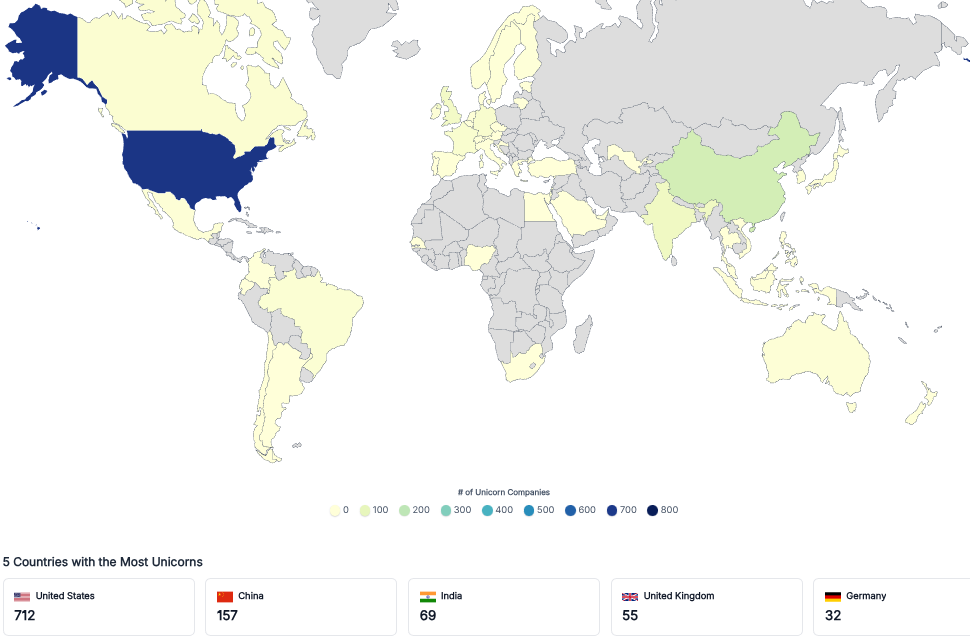
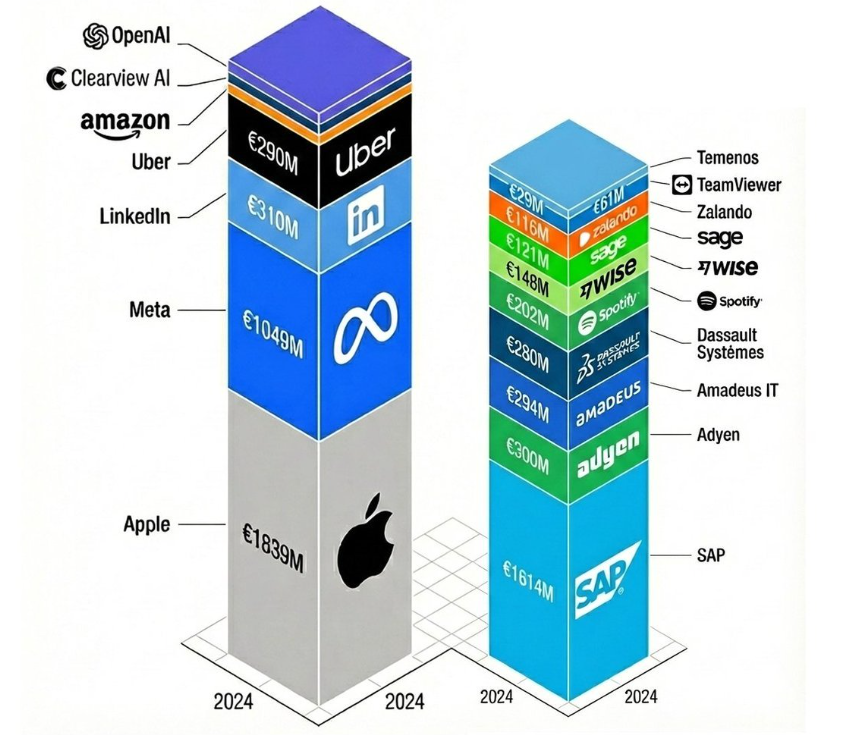
Geographic disparities in market performance further illustrate this phenomenon. Data compiled across global startup ecosystems shows that the United States is home to 712 unicorns, commanding a collective valuation of $2.9 trillion. By comparison, China holds second place with 157 unicorns, while Europe lags significantly behind. An unofficial tracking of corporate data indicates that over the past fifty years, only 14 companies with a market cap exceeding $10 billion were founded in Europe, contrasting sharply with 241 such companies in the United States. Furthermore, regulatory frictions and market dynamics have left European indexes trailing, with some estimates noting that the European Union collected more revenue from fining major US tech companies in a single recent year than it generated from all of its own publicly traded domestic internet firms combined.
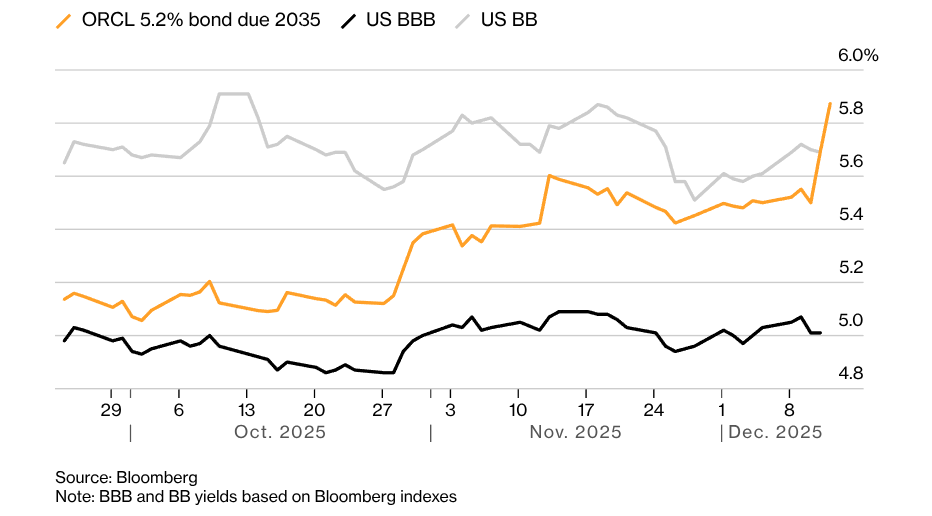
At the same time, the rapid pace of technological transformation is rippling through corporate balance sheets and credit markets. Financial reporting from Bloomberg highlights that debt issued by enterprise tech stalwart Oracle has begun trading at junk-bond levels as credit spreads widen and debt risks flare amid heavy investments in cloud and AI infrastructure.
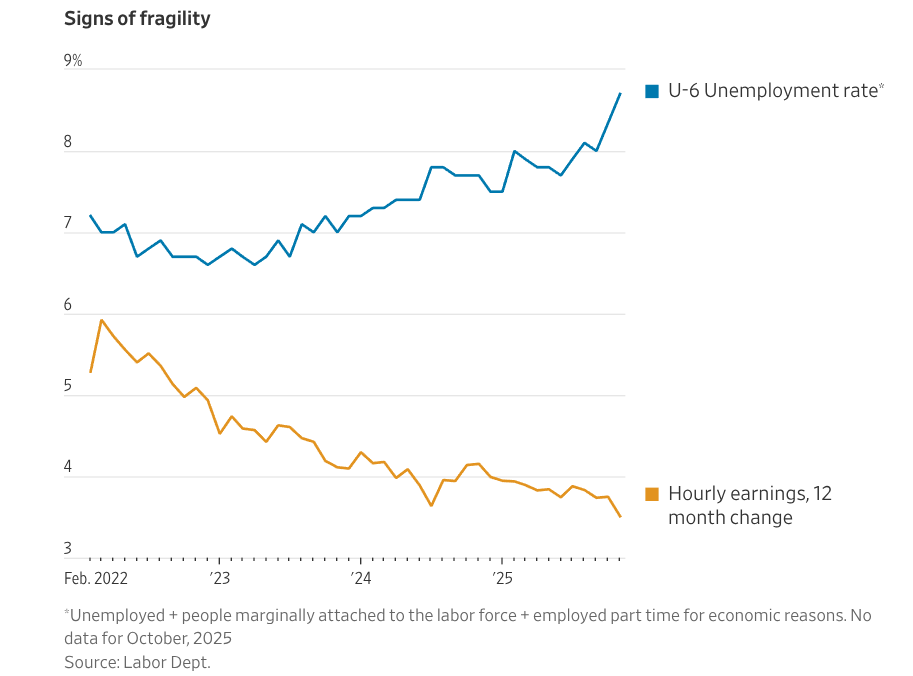
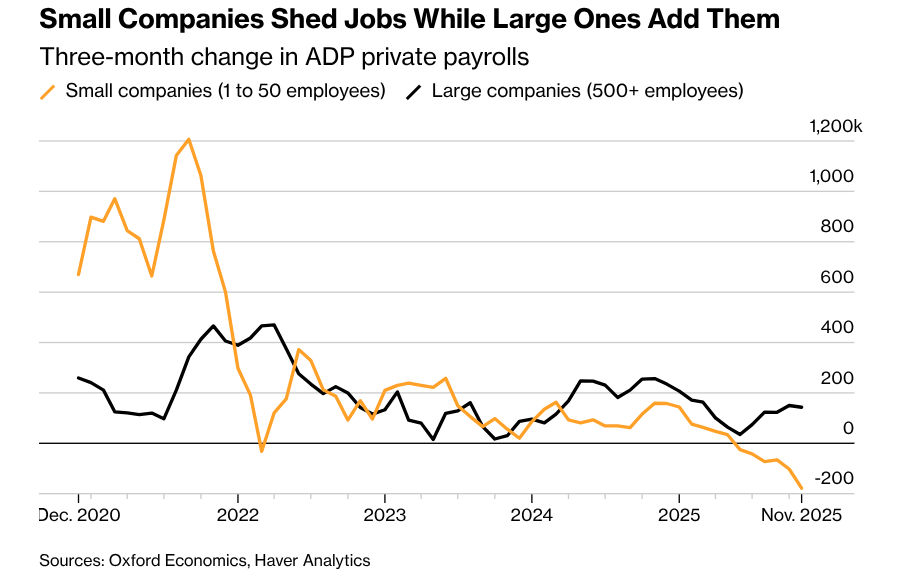
Labor markets are also showing signs of structural strain as economic anxieties shift. Economists note that with US unemployment ticking upward and wage growth cooling, the primary source of public anxiety is moving away from consumer price inflation and toward job security. Small businesses, in particular, have borne the brunt of recent macroeconomic pressures, including shifting trade policies and tariffs, leading smaller firms to shed jobs at a faster rate than their mega-cap counterparts.
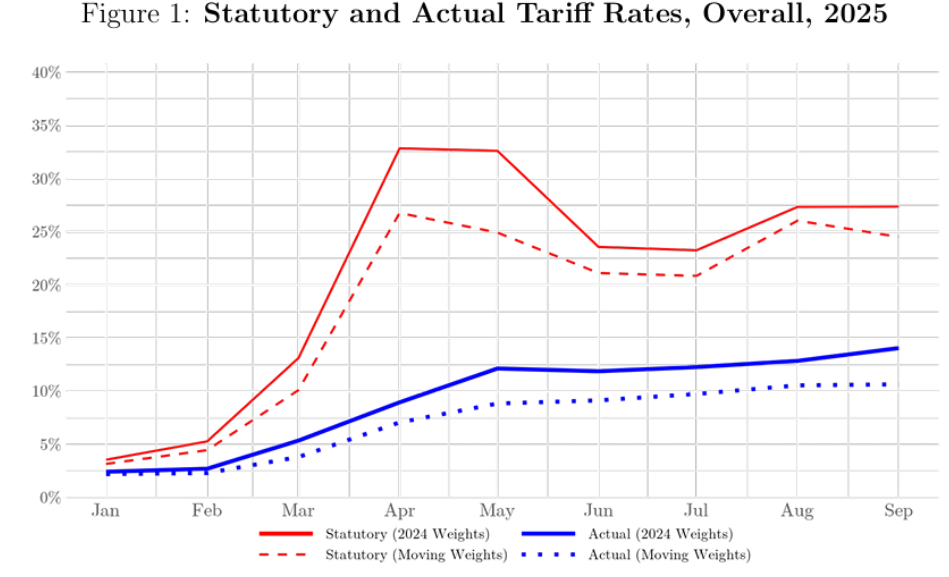
Studies analyzing the impact of recent tariff policies reveal a complex reality for consumers and businesses alike. While time lags, structural exceptions, and enforcement gaps mean that effective US tariff rates have materialized at roughly half of their headline numbers, nearly 100 percent of those tariffs are ultimately being passed through to everyday consumers via elevated retail prices. This dynamic reinforces a wider economic trend identified by market analysts: the persistent and widening gap between overall US productivity and the hourly wages paid to non-supervisory employees. As the American economy undergoes rapid transformation driven by global supply chains and technological automation, that productivity-wage gap continues to accelerate.
These profound shifts are accompanied by broader cultural and demographic changes. Recent data underscores a well-documented decline in traditional reading habits, with the percentage of Americans reading books for personal interest declining steadily over the past two decades. Among younger generations, the transformation is even more pronounced; nearly half of American teenagers report that they hardly ever read in their spare time, relying instead on digital platforms and video-based media for information and entertainment.
In global fixed-income markets, international dynamics are also shifting. Yields on 10-year Japanese government bonds have climbed to roughly 2% for the first time since 1999. Historically, rising domestic yields in Japan would incentivize local savers to repatriate capital by selling foreign assets. However, the anticipated capital flight from US markets has largely failed to materialize, as the enduring allure of high-performing American AI stocks continues to command global investment flows.
Ultimately, contextualizing these massive financial valuations requires looking at the physical and economic realities of modern manufacturing. Observers attempting to measure the material cost of technological innovation often look at metrics such as price per weight. Comparing the manufacturing output of advanced industrial goods to everyday commodities reveals striking efficiencies; a mass-produced electric vehicle like the Tesla Model 3 can cost less per pound than premium artisanal cheese. Through this lens, modern global supply chains extract fundamental raw materials from the earth—such as sand, oil, and ore—and transmute them into complex computational machinery at a cost cheaper than aged dairy.
Whether this unprecedented level of industrial efficiency and technological demand can sustainably support the trillion-dollar valuations dominating today’s financial headlines remains the defining question for the modern economy. As markets navigate the intersection of artificial intelligence, shifting labor dynamics, and global capital flows, investors and analysts alike continue to search the charts for answers.





Comments (0)