


In the fast-evolving landscape of Web3, successful go-to-market strategies invariably start with community. As new blockchains, protocols, and decentralized applications fight for attention in an increasingly crowded market, projects are discovering that traditional marketing playbooks often fall short. Increasingly, prominent brands and emerging Layer 1 and Layer 2 blockchains are turning to Profile Picture (PFP) drops as a foundational mechanism to activate their communities from day one, laying down crucial cultural and technical infrastructure.
For new networks entering the ecosystem, launching a PFP collection can act as a strategic wedge into a broader rollout plan. It provides a lightweight, highly engaging way to incentivize early user acquisition, stimulate network activity, build a recognizable reputation, establish cultural capital, and stress-test underlying infrastructure before scaling up to full capacity. Far from being simple vanity projects or speculative digital art, these collections have matured into sophisticated brand activation tools with measurable commercial outcomes.
Real-World Case Studies in PFP Evolution
The evolution of the PFP collection from a speculative asset into a robust business strategy is best illustrated by several high-profile pioneers in the space. Pudgy Penguins successfully transformed their digital art collection into a massive retail strategy, utilizing their non-fungible tokens to unlock physical merchandise, plush toys, and a widespread commercial presence in major traditional retail stores like Walmart.
Similarly, World of Women built a comprehensive intellectual property platform on top of its initial drop. By partnering with prominent consumer brands and global entertainment platforms, they significantly expanded their distribution channels and long-term utility. Meanwhile, Doodles famously transitioned from a standard 10,000-piece PFP collection into a full-scale entertainment powerhouse, producing animations, original music, and securing major cross-industry collaborations with heavyweights like musician Pharrell Williams and sportswear giant Adidas.
Building upon these industry-wide shifts, platforms like Rarible have actively supported high-profile PFP launches across emerging networks, each tailoring its approach to community structure, utility, and on-chain integration. A closer look at recent campaigns highlights how projects like Scope, Camp Network, and Espresso Network have leveraged PFP drops as core elements of their go-to-market strategies, utilizing NFTs to drive user acquisition, ecosystem signaling, and long-term engagement.
The Strategic Framework: Unlocking Growth Through PFPs
A well-designed PFP drop serves multiple strategic objectives for an emerging blockchain or protocol. At the foundational level, these collections attract the earliest cohort of users—individuals who are willing to show up early, take a risk, and actively invest in the long-term vision of a project.

Beyond initial acquisition, PFP drops effectively jump-start on-chain activity. By holding the NFTs, users are immediately incentivized to engage in core ecosystem actions, such as minting tokens, executing transactions, and interacting with newly deployed decentralized applications. Furthermore, a successful, high-visibility drop acts as a powerful signal of market momentum, demonstrating to users, developers, and potential strategic partners that the ecosystem commands genuine attention.
In addition to signaling and acquisition, PFPs function as an essential utility and access layer. They can be programmed to unlock gated features, exclusive rewards, developer access, and other ecosystem perks. Finally, the combination of potential financial upside and strong social cohesion helps secure long-term retention, keeping community members engaged long after the initial minting hype has faded.
Building Brand Narrative and Community Trust
For Scope, the primary objective of its PFP launch was to establish a creator-focused NFT marketplace while signaling its positioning as a key application on the emerging Eclipse chain. To achieve this, the project introduced the After School Club (ASC) collection, anchoring its market entry in a narrative that resonated deeply with digital creators and early adopters.
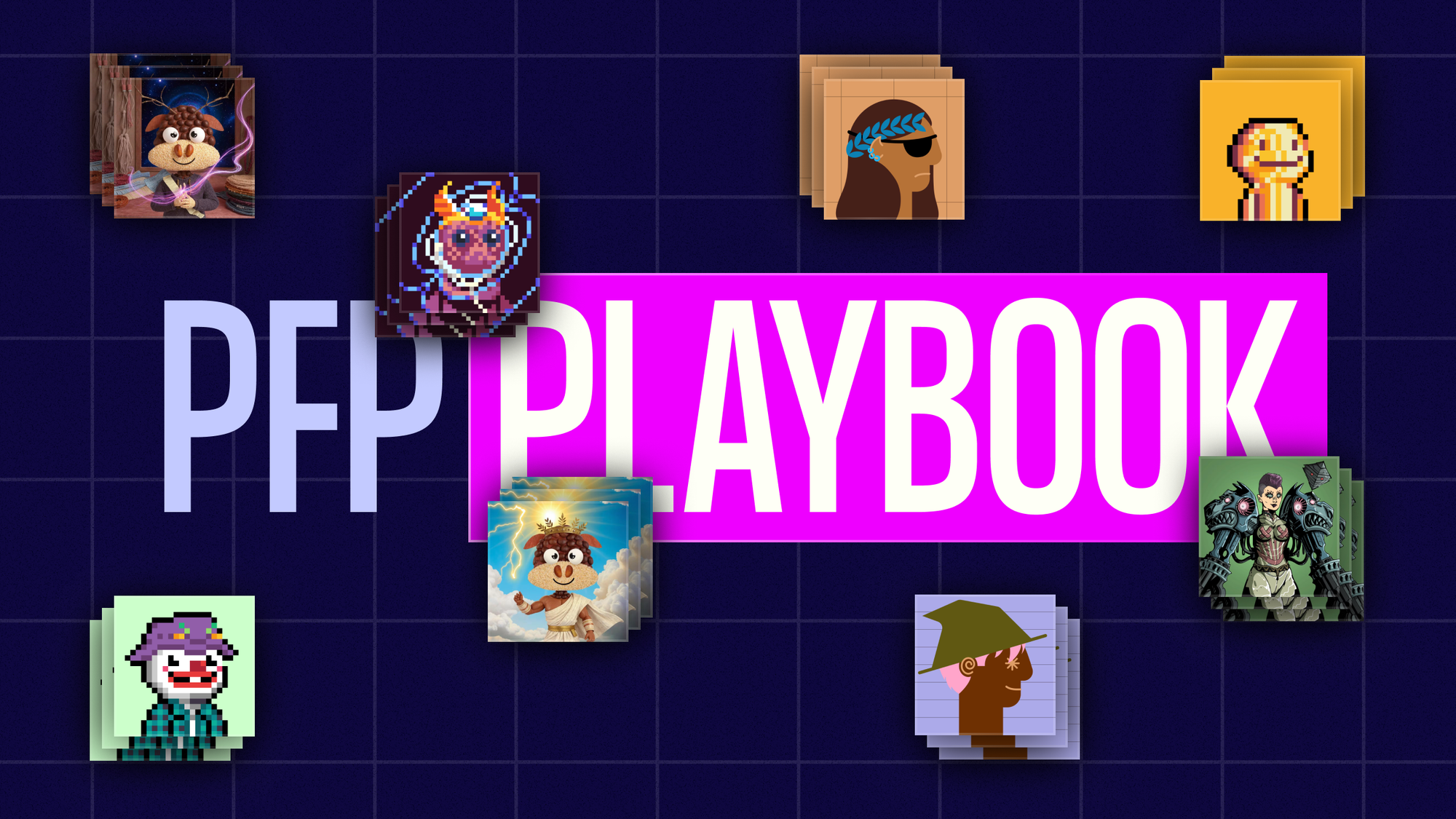
The success of the campaign was rooted in months of deliberate community building. According to Alucard, co-founder of ASC and community lead at the Eclipse Foundation, the team spent over seven months building momentum and trust. They engaged daily through continuous AMAs, actively gathered community feedback, and listened closely to what prospective holders actually wanted out of the collection, ensuring high alignment between the project and its user base.
Growing Hype During the Testnet Phase
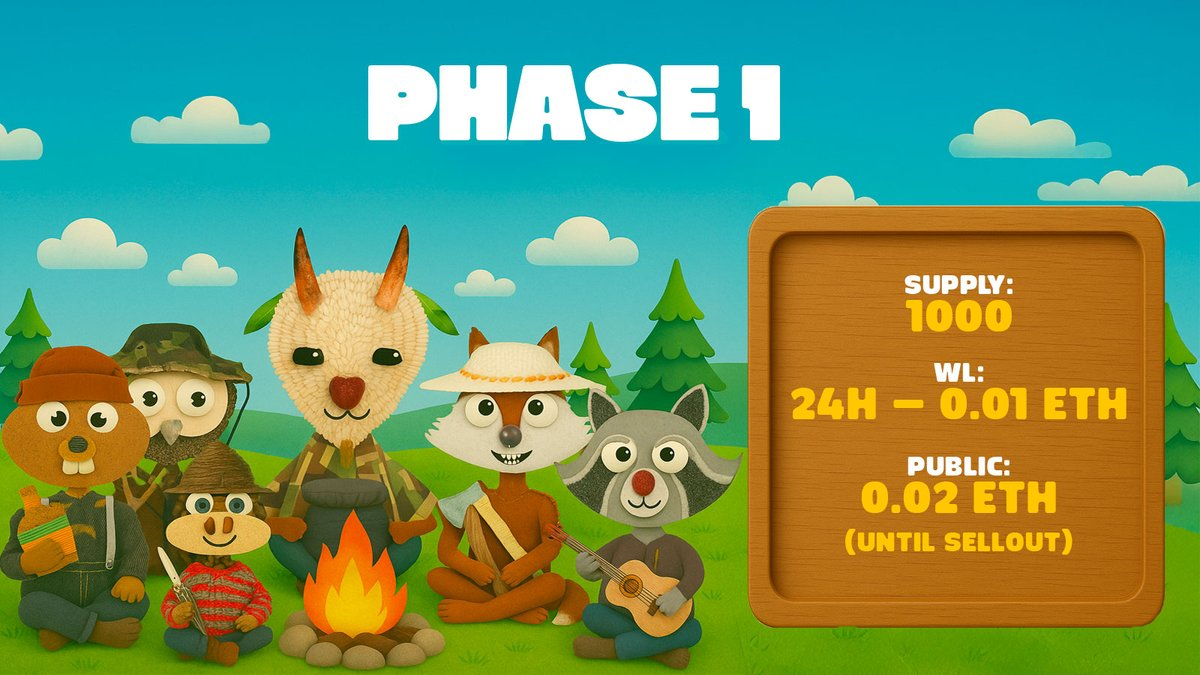
For Camp Network, the challenge was somewhat different: generating robust hype and onboarding values-aligned users during the testnet phase. To accomplish this, Camp turned to a narrative-driven PFP drop known as TrailHeads.
The strategy proved highly effective in elevating the network’s overall brand presence and community cohesion. Usman, Head of Community at Camp Network, noted that the TrailHeads collection played an instrumental role in bringing fresh users into the ecosystem, inspiring a vast array of creative community-generated content, and bringing holders closer to the core team. The collection ultimately served as a central focal point on the road to mainnet, anchoring several promotional campaigns leading up to the official network launch.
Showcasing Underlying Technology in Action
While many PFP collections focus strictly on art and community, Espresso Network utilized its drop, titled The Composables, to directly showcase its advanced cross-chain infrastructure in action through a modular, narrative-driven framework.
The primary objective for Espresso was to activate an early adopter community while demonstrating the technical capabilities of its modular scaling solutions. Jill Gunter, Chief Strategy Officer at Espresso Network, highlighted the technical distinction of the project, pointing out that unlike traditional NFT collections where assets are notoriously difficult to migrate from one chain to another, the core goal with The Composables was to leverage Espresso’s infrastructure to move digital assets seamlessly throughout the broader ecosystem.
Replicating Success in Future Campaigns
Projects planning a PFP-led go-to-market campaign can draw several key lessons from these successful deployments. First, it is essential to tightly align the collection with the broader product or chain narrative. Just as ASC told a story about creators, Trailheads spoke to contributors, and Composables showcased underlying technology, each drop must directly reflect the core value proposition of the network.
Second, projects must incentivize active on-chain behavior rather than treating the mint as a static endpoint. Utilizing the NFT as a trigger for ongoing participation—such as granting early access, unlocking gated channels, participating in interactive quests, or qualifying for future rewards—keeps the community active.
Third, utility should be designed into the asset from day one. Developers need to consider what the NFT actually does within the ecosystem, whether it gates access to specific features, evolves over time through dynamic metadata, or interacts seamlessly with decentralized applications. Finally, planning a robust post-mint roadmap is crucial for maintaining holder engagement through continuous airdrops, strategic activations, and partner perks.
PFP drops have evolved far beyond simple Web3 novelties into programmable assets capable of unlocking substantial growth, user retention, and market traction when deployed with strategic intent. For teams launching new blockchains, consumer products, or decentralized brands, they remain one of the most powerful tools available in the modern go-to-market stack.

Comments (0)