


In the fast-evolving landscape of decentralized technology, successful go-to-market strategies invariably start with one foundational element: community. Across the digital asset ecosystem, emerging blockchains, layer-one and layer-two networks, and ambitious consumer brands are increasingly utilizing profile picture (PFP) NFT drops as a primary mechanism to activate their user bases from day one. Far from being mere digital novelties or speculative trading assets, these collections have matured into sophisticated infrastructure designed to drive user acquisition, foster brand loyalty, and signal technical readiness.
For new layer-one and layer-two networks seeking to carve out space in a crowded market, a strategic PFP drop often acts as a vital wedge into a broader ecosystem strategy. It serves as a lightweight, highly engaging method to incentivize user participation, build cultural capital and reputation, and simultaneously stress-test underlying infrastructure to prove it is capable of handling high-volume consumer traffic.
The evolution of this approach is underscored by several high-profile real-world examples that have transcended traditional digital boundaries. Pudgy Penguins successfully transformed their native NFT collection into a comprehensive retail strategy, leveraging their digital intellectual property to unlock physical toys and establish a prominent in-store presence at major retailers like Walmart. Similarly, World of Women built a robust, IP-centric platform on top of its initial drop, forging strategic partnerships with mainstream consumer brands and major entertainment platforms to significantly expand both distribution and practical utility. Meanwhile, Doodles originated as a standard ten-thousand-piece PFP collection before rapidly evolving into a full-scale entertainment brand featuring animations, music, and high-profile collaborations with cultural icons such as Pharrell Williams and athletic giant Adidas. These initiatives demonstrate that modern PFP collections are, at their core, powerful brand activation tools with measurable commercial outcomes.
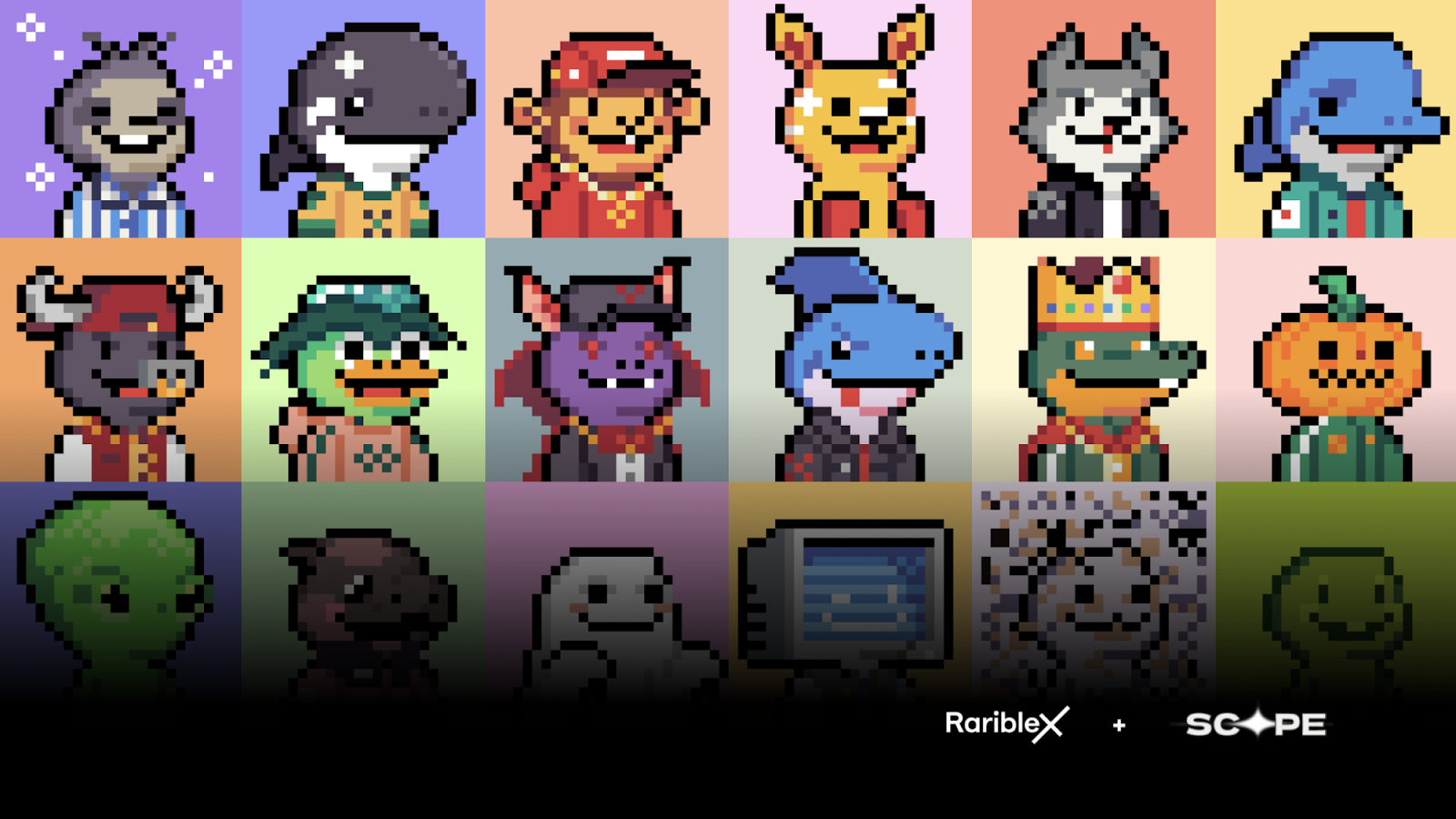
To understand how these mechanics translate to emerging networks, industry participants often look to recent high-profile launches supported by platforms like Rarible. Over recent months, Rarible has collaborated with emerging networks such as Scope, Camp Network, and Espresso Network to guide them through pivotal PFP launches. While each project followed a distinct path tailored to its specific technological goals, they all utilized NFTs as foundational instruments for user acquisition, ecosystem signaling, and long-term engagement.

A well-designed PFP drop serves multiple distinct functions within a broader go-to-market framework. Primarily, it acts as a magnet for early user acquisition, drawing in the initial cohort of participants who are willing to support a vision from its infancy. Beyond simply attracting holders, these drops actively kick-start on-chain activity, prompting users to mint, transact, and deeply engage with decentralized applications and the surrounding network ecosystem. Furthermore, a successful, high-visibility drop signals undeniable momentum to the wider market, catching the attention of everyday users, independent developers, and strategic partners alike. Over the longer term, these digital assets function as an essential utility and access layer, unlocking gated features, exclusive rewards, and developer tools, while the inherent financial and social upside helps maintain long-tail retention as the ecosystem matures.
Building a compelling brand narrative often requires precise alignment with a network’s technical positioning. A prominent example of this strategy in action is the After School Club collection launched on Scope. The primary objective of the initiative was to successfully launch a creator-focused NFT marketplace while simultaneously signaling Scope’s strategic positioning as a key foundational application on the newly deployed Eclipse chain. Alucard, co-founder of After School Club and community lead at the Eclipse Foundation, noted the immense dedication required to build lasting trust, highlighting months of daily engagement through audio-only community spaces, continuous feedback collection, and active listening to understand exactly what participants desired from the collection.
Similarly, early-stage projects have leveraged narrative-driven drops to generate significant anticipation during crucial development phases. TrailHeads by Camp Network utilized a narrative-focused PFP drop specifically to onboard values-aligned users into the broader Camp ecosystem while the network was still operating within its testnet phase. Usman, head of community at Camp, emphasized that the collection played a pivotal role in elevating the network’s overall brand presence, sparking a vast wave of creative community-generated content, and bringing holders closer to the core project team as a central focal point leading up to the mainnet launch.
Beyond branding and community building, PFP drops have also been deployed to directly demonstrate the technical capabilities of underlying blockchain infrastructure. The Composables by Espresso Network was designed with the explicit objective of activating an early adopter community while showcasing Espresso’s cross-chain infrastructure in action through a modular, narrative-driven PFP collection. Jill Gunter, chief strategy officer at Espresso Network, highlighted the unique technical ambition of the project, noting that unlike traditional NFT collections where assets remain siloed and difficult to migrate across different networks, the core goal of The Composables is to leverage Espresso’s technology to enable seamless movement throughout the entire ecosystem.
Analyzing these successful campaigns reveals a consistent playbook for organizations planning a PFP-led go-to-market strategy. The foundational step requires absolute alignment between the digital collection and the broader product or chain narrative. Whether telling a story about independent creators, acknowledging early contributors, or showcasing modular infrastructure, the drop must be tightly integrated with the underlying value proposition.
Additionally, projects must incentivize active on-chain behavior rather than treating the initial mint as the final destination. Utilizing NFTs as interactive triggers—such as granting early access, unlocking private communication channels, initiating participation quests, or determining reward eligibility—keeps the user base actively involved. Designing with utility in mind from day one is equally critical, ensuring that digital assets serve a functional purpose within the ecosystem rather than existing solely as static artwork. Finally, establishing a comprehensive post-mint roadmap that includes ongoing activations, partner perks, and dynamic mechanics ensures that community enthusiasm endures long after the initial excitement of the drop has subsided.

Comments (0)