


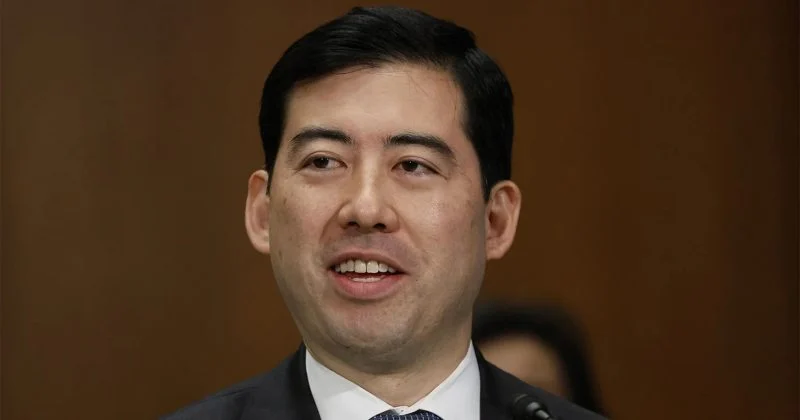
The landscape of American financial regulation stands on the brink of a historic transformation. Following Donald Trump’s decisive victory in the 2024 presidential election, intense speculation has gripped Wall Street and Silicon Valley alike regarding the imminent restructuring of the Securities and Exchange Commission (SEC). At the center of this conversation is the future of the agency’s current leadership and its aggressive posture toward the burgeoning digital asset economy. Among the top contenders heavily favored to replace current SEC Chair Gary Gensler, Commissioner Mark Uyeda has emerged as a formidable and serious candidate, potentially signaling a sweeping and long-awaited shift in how the federal government approaches the oversight, regulation, and cultivation of cryptocurrencies and blockchain technology.
Current criticisms voiced by sitting commissioners like Uyeda have provided a conceptual foundation for what many industry participants hope will become a modernized framework for digital asset regulations, anchored by clear, transparent guidelines rather than punitive measures. For years, the intersection of traditional finance and decentralized technology has been fraught with tension, largely driven by an enforcement-heavy regulatory strategy that many market participants argue has stifled domestic innovation and pushed blockchain enterprises offshore. The potential ascension of a leader with Uyeda’s background suggests that a more collaborative, rules-based era may finally be on the horizon for the United States crypto sector.
Uyeda’s Background and Stance on Crypto
Mark Uyeda, who was officially sworn in as an SEC Commissioner on June 30, 2022, has steadily commanded attention across the financial regulatory sphere for his deeply critical views on the SEC’s contemporary approach to cryptocurrency and digital asset oversight. Rather than viewing the sector through a lens of systemic risk or regulatory evasion, Uyeda has consistently advocated for a more pragmatic and legally sound methodology that accommodates technological advancement while maintaining necessary investor protections.
In a remarkably candid and widely discussed interview on Fox Business’s "Mornings with Maria" in October 2024, Uyeda did not mince words regarding the agency’s historical trajectory under the current administration. He bluntly described the SEC’s ongoing policies governing the digital asset marketplace as "really a disaster for the whole industry." He specifically targeted the agency’s heavy reliance on "policy through enforcement"—a regulatory philosophy where novel standards and legal boundaries are established retroactively through lawsuits and enforcement actions rather than proactively through formal rulemaking, public comment periods, and clear administrative guidance.
To understand Uyeda’s perspective is to look at his extensive and deeply institutional career within the federal regulatory apparatus. His professional experience at the SEC spans well over 15 years, during which time he has accumulated a comprehensive, granular understanding of the agency’s internal operations, bureaucratic machinery, and overarching regulatory landscape. Notably, Uyeda previously served as a Senior Advisor to former SEC Chairman Jay Clayton, a tenure that exposed him to the complexities of balancing market expansion with statutory mandates. In addition, his service within the SEC’s Division of Investment Management provided him with deep technical insight into asset management and market structure. This extensive background gives him a distinct advantage over political appointees who may lack practical familiarity with the inner workings of the commission, positioning him as an institutional insider capable of executing structural reforms from within.
Potential Impact on Crypto Regulation
If appointed as the next Chairman of the SEC, Uyeda’s leadership could introduce a cascade of profound changes to the American crypto regulatory environment. Market observers anticipate a significant departure from the antagonistic posture that has defined the agency’s recent history. A primary expectation is the cessation of the relentless wave of enforcement actions against compliant or semi-compliant domestic crypto firms, replacing them with a structured dialogue aimed at establishing registration pathways tailored to digital assets.
Furthermore, an Uyeda-led commission could finally prioritize the creation of formal regulatory frameworks, moving away from the ambiguous stance that digital tokens inherently qualify as securities subject to existing, decades-old disclosure regimes designed for traditional corporate stocks. By introducing clear guidelines, the agency could alleviate the compliance anxiety that has paralyzed many blockchain startups, encouraging venture capital investment to flow back into American soil rather than seeking refuge in more crypto-friendly foreign jurisdictions.
Industry Reception
The prospect of Mark Uyeda taking the helm at the SEC has been met with a largely enthusiastic reception across the digital asset ecosystem. Industry leaders, founders, legal experts, and venture capitalists view his potential appointment as a vital catalyst for domestic crypto innovation. For years, stakeholders have complained that the lack of regulatory clarity has forced companies to operate in a state of perpetual legal uncertainty, hindering mainstream institutional adoption and consumer protection alike.
Uyeda’s vocal criticisms of the status quo and his repeated calls for transparent, sensible regulation resonate deeply with a sector that has long felt besieged by regulatory overreach. Because he understands the statutory limitations and responsibilities of the commission, his advocacy for clear guidelines is seen not as an invitation to regulatory laxity, but rather as a necessary step to establish a mature, stable, and legally secure market environment where legitimate blockchain enterprises can thrive without fear of arbitrary legal retaliation.
Trump’s Crypto Stance and the Executive Transition
The momentum behind Uyeda’s potential appointment is inextricably linked to the broader political shifts resulting from the 2024 presidential election. During his aggressive campaign trail, Donald Trump made sweeping promises to the American technology and financial communities, most notably vowing to fire current SEC Chair Gary Gensler on his very first day back in office. Trump’s explicit signaling of a desire for a distinctly more crypto-friendly regulatory apparatus has set the stage for an immediate overhaul of financial agencies upon taking office.
This political alignment creates a direct pathway for candidates whose regulatory philosophies harmonize with the executive branch’s pro-innovation agenda. Uyeda’s publicly stated positions regarding the failures of current enforcement-heavy policies align closely with the administration’s stated goals of reducing bureaucratic red tape and fostering economic growth through technological leadership. Consequently, his name has risen to the top of the shortlist for prospective nominees capable of executing this mandate effectively.
Other Contenders in the Regulatory Landscape
While Mark Uyeda currently stands as a remarkably strong and viable contender for the chairmanship, the intricate behind-the-scenes discussions regarding future SEC leadership have naturally included other prominent figures within the regulatory sphere. Most notably, fellow SEC Commissioner Hester Peirce—affectionately and widely known across the digital asset community as "Crypto Mom"—has frequently been mentioned in public speculation due to her long-standing, unwavering pro-innovation stance and her history of dissenting opinions against the agency’s restrictive digital asset policies.
Despite her immense popularity among crypto enthusiasts, industry insiders have urged caution regarding her actual likelihood of taking the top job. Prominent crypto attorney Jake Chervinsky recently suggested that Peirce’s chances of being nominated or accepting the position are "very low." This assessment is widely attributed to her potential reluctance to take on the immense administrative, political, and operational challenges that come with steering a fractured and politically sensitive regulatory agency through a contentious period of institutional transition.
Challenges Ahead for New Leadership
Should Mark Uyeda ultimately be selected and confirmed to lead the Securities and Exchange Commission, he will immediately step into a role fraught with complex, high-stakes challenges. Remaking an entrenched federal bureaucracy is rarely a seamless process, and Uyeda would face significant hurdles on multiple fronts.
First, he would need to navigate internal resistance from career staffers and senior officials who have spent years institutionalizing the very enforcement-first approach he has criticized. Realigning the internal culture of the agency toward collaborative rulemaking will require immense diplomatic skill and administrative resolve. Second, any sweeping policy changes or new regulatory frameworks introduced by a new administration will inevitably face intense scrutiny, potential legal challenges from consumer protection advocates, and rigorous oversight from congressional lawmakers who hold divergent views on the role of digital assets in the national economy.
As the political transition of power steadily approaches and Washington prepares for a new administration, the global cryptocurrency industry and traditional financial markets alike will be watching closely. The decisions made in the coming months will determine whether the United States can successfully integrate decentralized technology into its financial system or continue to cede its competitive edge to international competitors, leaving a potential Uyeda-led SEC at the very center of this historic economic evolution.
Disclosure: This article was edited by Diego Almada Lopez. For more information on how we create and review content, see our Editorial Policy.



Comments (0)