


Popular communication platform Discord is introducing a significant policy shift that will make conversations from its largest public servers discoverable through mainstream search engines, including Google. The update has immediately raised privacy concerns among users who have long operated under the assumption that their chat histories would remain confined within the boundaries of the platform.
The sweeping policy change applies specifically to what Discord categorizes as "Discoverable Servers." These are communities with at least 1,000 active members that are openly listed in Discord’s public directory and do not require a special invitation link for users to join. Across these expansive digital spaces, the platform is opening up content to the broader internet in an effort to surface valuable community-driven discussions.
According to a timeline released by Discord, the rollout will happen in two distinct phases. Beginning Nov. 16, every Discoverable Server will feature a dedicated web page that may include automated summaries of public channel discussions. This will be followed in mid-December by the rollout of individual message indexing, meaning specific messages posted in eligible public channels may appear directly in web search results. Discord has clarified that messages posted prior to the rollout will not be included in search indexing. Furthermore, user names and avatars will be strictly excluded from published messages to maintain a degree of anonymity.
Explaining the rationale behind the update, Discord pointed to a broader cultural shift in how internet users seek out information. Over recent years, traditional message boards and forums have increasingly given way to real-time chat servers like those hosted on Discord. However, the company noted that this transition has made useful answers and troubleshooting advice much harder to find for outsiders.
"This has led to valuable information being locked in Discord conversations, inaccessible to the wider internet. We want to fix this," the company stated in its official announcement regarding the policy shift.
Despite the platform’s stated goal of making institutional knowledge and peer support more accessible, the move has drawn swift criticism from users concerned about the expansion of their digital footprint. Many community members voiced apprehension on social media and discussion forums, arguing that even though these servers are technically public, conversations often carry a casual, conversational tone that was never intended for a permanent, searchable audience outside their immediate community.
Conversely, the change has found support among users who frequently rely on search engines to troubleshoot technical problems or find specific software advice. Proponents of the policy argue that locking troves of community expertise inside walled messaging gardens has been a major drawback of modern internet culture. In online discussion threads responding to the announcement, one user labeled the update "very much necessary," while another echoed the sentiment that moving community discussions entirely to Discord had made valuable historical conversations frustratingly difficult to locate through standard web searches.
The implications of this policy change extend particularly far into specialized niches, including the cryptocurrency and blockchain sectors, which heavily utilize Discord for technical discussions, developer support, and project announcements. An independent review of Discord’s public directory by Cointelegraph revealed nearly 800 servers tagged under "cryptocurrency," approximately 1,400 servers tagged under "trading," and more than 700 servers tagged under "finance." Across its entire ecosystem, Discord estimates there are more than 63,000 total discoverable servers currently operating on the platform.
How to Opt Out
Recognizing the potential privacy implications of web-indexed chat messages, Discord has introduced several mechanisms allowing users and administrators to opt out of the program.
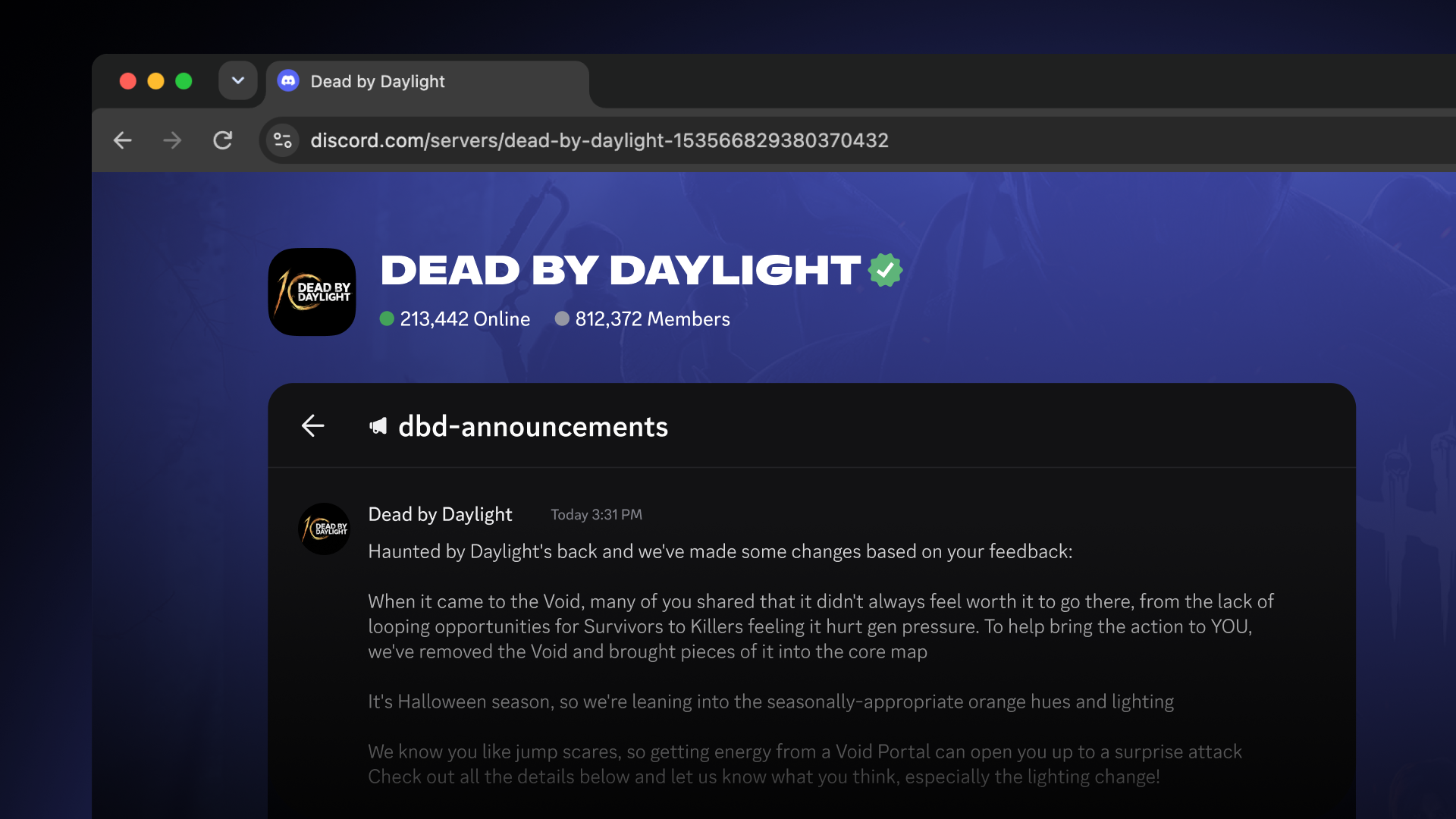
Individual users have until the message-sharing rollout officially begins in mid-December to adjust their settings before their posts become eligible to appear online. Additionally, Discord confirmed that the feature will be disabled by default for users residing in Australia, the European Union, the European Economic Area, the United Kingdom, Canada, Brazil, and South Korea, in alignment with local regulatory frameworks. Teen users on the platform will also be automatically excluded from having their messages indexed.
For users wishing to opt out manually, Discord has provided a centralized control within the application’s privacy settings. By navigating to User Settings, selecting Data and Privacy, and toggling off the option labeled "Show my message content from Discoverable channels on web pages," users can prevent their messages from being published. According to Discord’s support documentation, this single setting applies universally across every Discoverable Server that a user happens to belong to.
Users retain the ability to disable the feature after the official launch in December, though doing so will only protect messages sent after the opt-out takes effect. For messages that have already been indexed, users who wish to remove them must delete the original messages directly from Discord. The company has warned, however, that third-party search engines may continue to retain cached copies of those pages for some time after deletion.
Server administrators have also been granted overarching controls to protect their communities. Administrators can prevent messages from individual channels or entire servers from appearing on public web pages and search engine results by adjusting settings under the Web Presence tab in Server Settings. Additionally, administrators have the option to independently disable the automated discussion summaries that are scheduled to begin rolling out in November, giving communities granular control over how their collective conversations are exposed to the wider web.





Comments (0)