


Jio Platforms, the digital services and telecom powerhouse backed by billionaire Mukesh Ambani alongside global tech giants Meta and Google, made a triumphant entry into the public markets on Wednesday, surging 21% in its stock market debut. The stellar market opening followed a historic $3.2 billion initial public offering that stands as India’s largest and most heavily subscribed share offering to date, drawing an unprecedented wave of investor enthusiasm and more than $77 billion in bids.
The company’s shares opened at ₹1,358 (approximately $14) apiece, marking a substantial premium over their final IPO price of ₹1,119 (around $12). This strong opening valuation placed Jio at roughly ₹12.5 trillion (around $131.9 billion), cementing its status as India’s second-most valuable listed corporation. It trails only its parent conglomerate, Reliance Industries, which commands a valuation of about ₹16 trillion (around $168.6 billion). The company’s trajectory over recent years underscores its massive growth; back in 2020, when Meta and Google made their landmark equity investments, Jio was valued at up to ₹4.91 trillion, or about $65 billion at the time.
The massive public offering, which ran from October 21 to 22, drew overwhelming participation, attracting bids for 22.19 times the total shares on offer, according to official exchange data. More than 13.8 million individual and institutional investors applied for the stock. This immense response made it India’s most subscribed stock offering on record, reflecting a profound level of confidence and investor demand for a stake in the country’s dominant telecommunications and digital infrastructure leader.
Jio’s market dominance has been years in the making. When the company entered India’s intensely crowded and competitive telecom landscape in 2016, it upended the industry by offering free data and low-cost voice services. That aggressive market entry strategy allowed Jio to rapidly capture market share and win over millions of customers from established legacy operators, including Bharti Airtel, Vodafone Idea, and state-owned BSNL. Over the years, it has steadily climbed to become the country’s premier telecom operator.
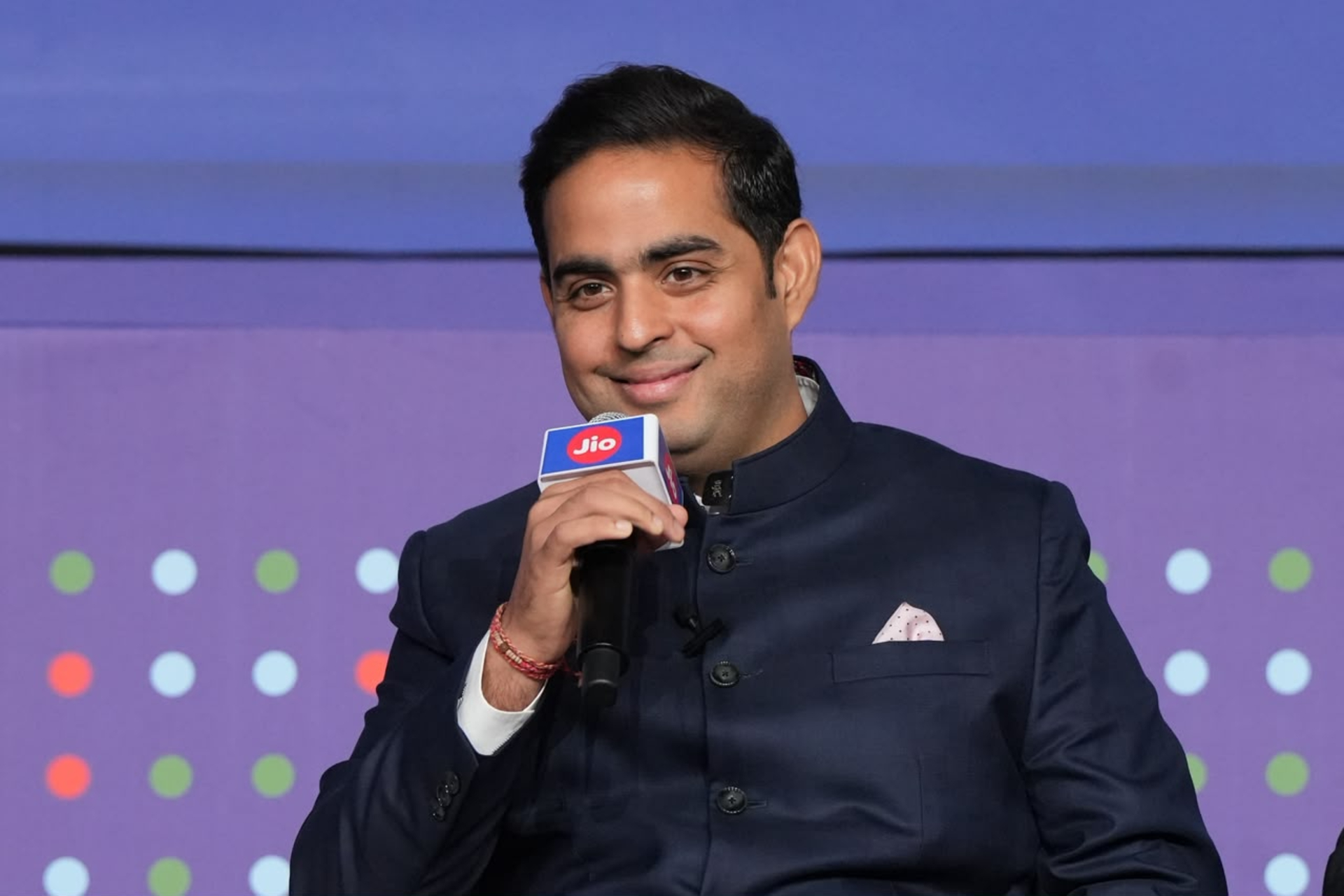
Speaking at the listing ceremony on Wednesday, Akash Ambani, Jio Platforms’ managing director and eldest son of Mukesh Ambani, highlighted the sheer scale of the enterprise, noting that its platforms currently serve a massive user base of more than 540 million customers. While Jio’s pricing has evolved over time to align broadly with those of its industry competitors, the enterprise has successfully diversified far beyond basic cellular connectivity. Today, its expanding business portfolio spans high-speed broadband, robust cloud services, and emerging frontiers in artificial intelligence.
As Mukesh Ambani gradually transitions leadership responsibilities to the next generation of Reliance executives, Akash has assumed an increasingly prominent role in guiding Jio’s strategic vision. During the listing event, he shared a bold global ambition for the enterprise, stating his dream that one day, when the world counts its great technology companies, one of them will originate from India and bear the name Jio Platforms Limited.
Financial disclosures underscore the company’s solid commercial foundation. Jio reported a net profit of ₹300.5 billion (about $3.2 billion) on operating revenue of ₹1.47 trillion (around $15.5 billion) for the fiscal year that ended in March 2026. Both figures represented a solid growth of about 15% compared to the previous fiscal year. This upward momentum continued into the subsequent quarter, with Jio’s revenue expanding nearly 12% and profit rising 9% during the June quarter.
A significant portion of the capital raised through the historic IPO is earmarked for balance sheet optimization. Jio plans to allocate up to ₹275 billion (about $2.9 billion) of the IPO proceeds to pay down existing debt at its core telecom subsidiary, Reliance Jio Infocomm, while the remaining funds will be directed toward general corporate purposes. As of June 30, Jio carried total borrowings amounting to ₹613.7 billion, or around $6.5 billion.
The company’s rise to corporate prominence has long been bolstered by strategic alliances with leading international technology firms. During the height of the COVID-19 pandemic in 2020, Jio successfully secured billions of dollars in strategic investments from prominent American technology and investment companies. Meta, operating under its former name Facebook, acquired a stake with a $5.7 billion investment, while Google injected $4.5 billion into the digital platform. Additional high-profile financial backing came from global institutional investors including General Atlantic, Silver Lake, and Vista Equity Partners. Notably, none of these early international backers elected to sell their stakes during the IPO, which consisted entirely of newly issued shares designed to fund the company’s next phase of technological expansion and corporate growth.



Comments (0)