


South Korean cryptocurrency exchange GOPAX has suspended trading, deposits, and standard withdrawals following an email threatening a potential security breach, according to local reports. The precautionary move comes amid heightened cybersecurity anxiety across the country’s digital asset sector, driven by recent high-profile international exploits and increasingly stringent oversight from South Korean financial regulators.
According to reports from the local newspaper Kyunghyang Shinmun, GOPAX received an email containing a direct threat of a hack, prompting immediate defensive action from the platform’s management. However, a representative for the exchange clarified to the publication that no actual security breach, hack, or attempted theft had taken place at the time the decision to suspend services was made.
Official notices published by the platform outline the timeline of the shutdown. GOPAX halted all deposits and standard withdrawals at 5:55 am UTC, followed by the suspension of trading operations roughly an hour later at 6:53 UTC. Simultaneously, all existing unfilled orders on the exchange’s order books were automatically canceled to protect market participants from unexpected price fluctuations or execution anomalies during the downtime.
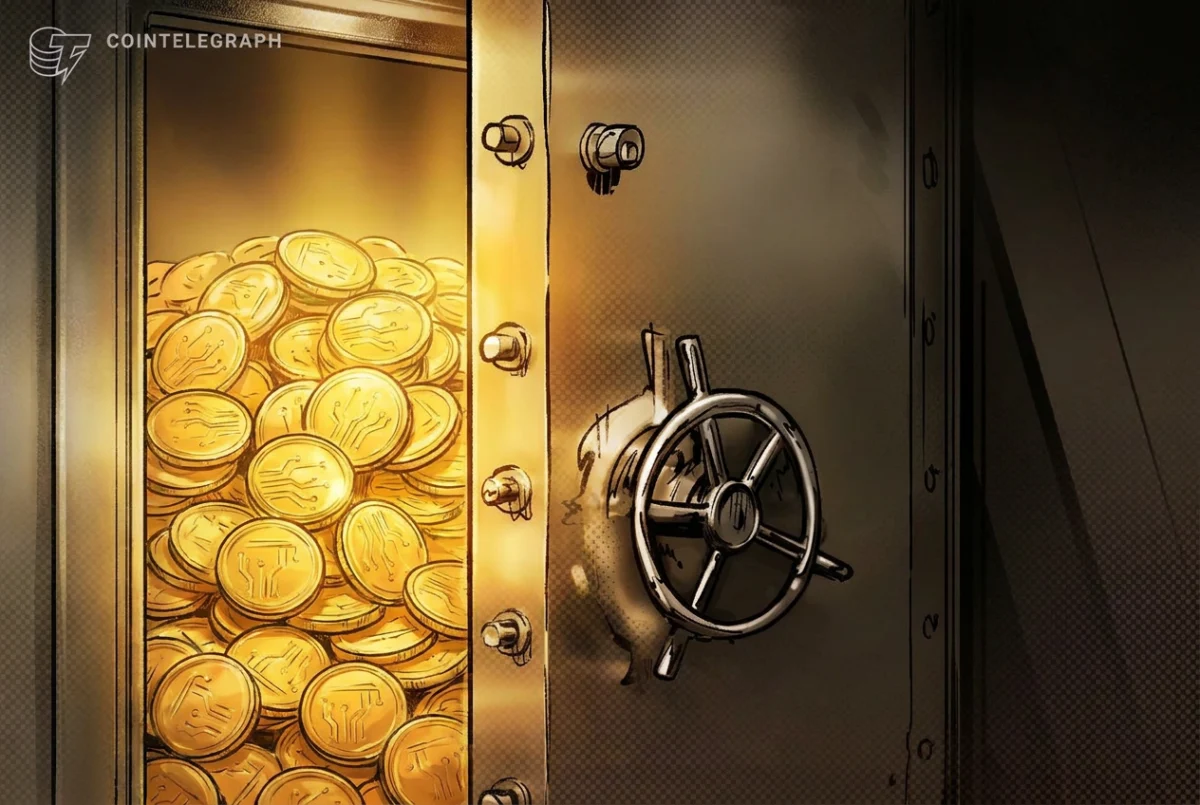
In its public communications, GOPAX stated that it plans to proactively transfer all user cryptocurrency assets into offline, cold storage wallets. The exchange noted that this measure is designed to safeguard user funds in the wake of a wave of recent leaks and hacking incidents affecting various financial institutions globally and domestically. Furthermore, the notices explicitly cited recommendations issued by South Korean financial regulators regarding asset security.
Despite the comprehensive suspension of automated services, GOPAX confirmed that users are not entirely cut off from their funds. Customers who need access to their digital assets can still request manual withdrawals through the exchange’s official support center. However, the platform warned that these requests will require manual verification and security approvals, a process that could introduce significant delays in processing times. Cointelegraph reached out to GOPAX for official comment regarding the incident, but no response had been received by the time of publication.
The sudden operational freeze at GOPAX arrives just days after South Korea’s Financial Services Commission (FSC) strongly urged domestic cryptocurrency exchanges to boost their cold-wallet holdings. That regulatory push was accelerated by the massive $6.3 billion Binance hack, which served as a stark reminder of the vulnerabilities facing centralized crypto platforms. Under existing South Korean regulatory guidelines, domestic crypto exchanges are mandated to keep at least 80 percent of all customer cryptocurrency assets safely stored in offline cold wallets to insulate them from online threats.
Data previously released by the Financial Supervisory Service (FSS) indicated that GOPAX held approximately 80.54 percent of user assets in offline storage at the end of September, placing the exchange just above the required regulatory minimum threshold.
The heightened scrutiny on GOPAX and other local platforms also follows a broad cybersecurity sweep conducted by financial authorities. In October, the FSC reported that it had identified cybersecurity deficiencies at 130 out of 555 financial companies reviewed in a nationwide audit. During these investigations, the regulator also flagged GOPAX operator Streami, alongside another crypto exchange named Prabang, among 16 corporate entities that had been involved in earlier security incidents. These findings prompted the financial watchdog to announce plans for significantly tighter cybersecurity oversight across the sector.
The security concerns shaking the South Korean market have manifested in tangible incidents for other local operators as well. Earlier in October, domestic cryptocurrency exchange Prabang was forced to suspend its services after detecting abnormal withdrawal activity originating from its hot wallet. According to reports from the Yonhap News Agency, that security breach resulted in approximately 100 million won, equivalent to roughly $70,000, in losses. In response to the incident, Prabang announced that it would fully reimburse all affected customers by utilizing internal company funds to cover the shortfall.
As South Korean authorities continue to tighten the regulatory noose around digital asset service providers—while also pursuing broader macroeconomic policies such as the ongoing debate surrounding the fourth potential delay of the country’s proposed crypto tax until 2029—exchanges are clearly operating under a zero-tolerance policy for potential security threats. For GOPAX, the decision to temporarily pull the plug on automated trading and withdrawals underscores the delicate balance exchanges must maintain between operational continuity and absolute asset protection in an increasingly hostile cybersecurity landscape.



Comments (0)