


In the fast-evolving landscape of Web3, the foundation of any successful go-to-market strategy has increasingly become rooted in community. As new blockchains, protocols, and decentralized applications battle for attention in an increasingly crowded market, developers and brand architects are looking far beyond traditional marketing playbooks. Increasingly, projects across the digital asset ecosystem are turning to Profile Picture (PFP) collection drops not merely as speculative digital art releases, but as essential infrastructure designed to activate loyal communities from day one.
For emerging Layer 1 and Layer 2 blockchain networks, introducing a native PFP collection can serve as a powerful wedge into a broader, more comprehensive ecosystem strategy. Rather than launching a network in a vacuum and hoping developers and users will organically appear, a well-coordinated PFP drop functions as a lightweight, highly engaging mechanism. It incentivizes early user acquisition, rapidly builds reputation and cultural capital within the wider crypto community, and stress-tests underlying infrastructure to prove it is robust enough to handle high-demand transactional volume.
The evolution of the PFP model has matured significantly over recent years, shifting from purely digital flexes to tangible commercial strategies. Prominent historical examples have laid the groundwork for this transition. Pudgy Penguins famously transformed their digital collection into a physical retail powerhouse, leveraging their non-fungible tokens to unlock physical toys and secure a prominent in-store retail presence at major traditional outlets like Walmart. Similarly, World of Women constructed a robust, intellectual property-centric platform atop their foundational drop, forging strategic partnerships with major consumer brands and mainstream entertainment platforms to dramatically expand both their distribution channels and long-term utility. Meanwhile, Doodles expanded from a standard ten-thousand-piece PFP collection into a full-scale entertainment enterprise featuring animations, musical collaborations, and high-profile partnerships with cultural heavyweights like Pharrell Williams and Adidas.
These milestones demonstrate that modern digital collectibles are no longer viewed simply as isolated NFT projects. Instead, they operate as sophisticated brand activation tools capable of driving measurable commercial outcomes and anchoring long-term ecosystem growth.
To understand how modern networks harness this infrastructure, industry observers often look to specialized launch partners that guide emerging protocols through the complexities of a major release. Over recent cycles, platforms like Rarible have supported high-profile PFP launches across various emerging networks, each tailoring its approach to community structure, digital utility, and deep on-chain integration. Projects like Scope, Camp Network, and Espresso Network have each charted distinct paths, yet they share a common thread: utilizing digital collectibles as critical tools for user acquisition, ecosystem signaling, and long-term engagement, with specialized launch infrastructure making those ambitious drops possible.
A well-designed PFP drop unlocks several critical go-to-market objectives depending on a project’s core priorities. In the early stages of a network lifecycle, attracting an initial cohort of dedicated users is paramount. PFP drops naturally draw in individuals who are willing to show up early, take calculated risks, and invest deeply in a network’s overarching vision. Furthermore, these digital assets immediately kick-start on-chain activity. By requiring users to mint, trade, and interact with smart contracts, a collection prompts participants to actively engage with newly deployed applications and underlying infrastructure.

Beyond immediate user metrics, a high-profile drop serves as a powerful signal of momentum to the broader market. A successful launch demonstrates to users, independent developers, and strategic venture partners alike that serious attention and capital are flowing into the ecosystem. Over time, these digital collectibles double as a utility and access layer, unlocking gated protocol features, exclusive rewards, and specialized developer access. Finally, the combination of potential financial upside and strong social cohesion helps secure long-term retention, keeping users engaged with the network long after the initial minting excitement has faded.
Building Brand Narrative and Market Positioning
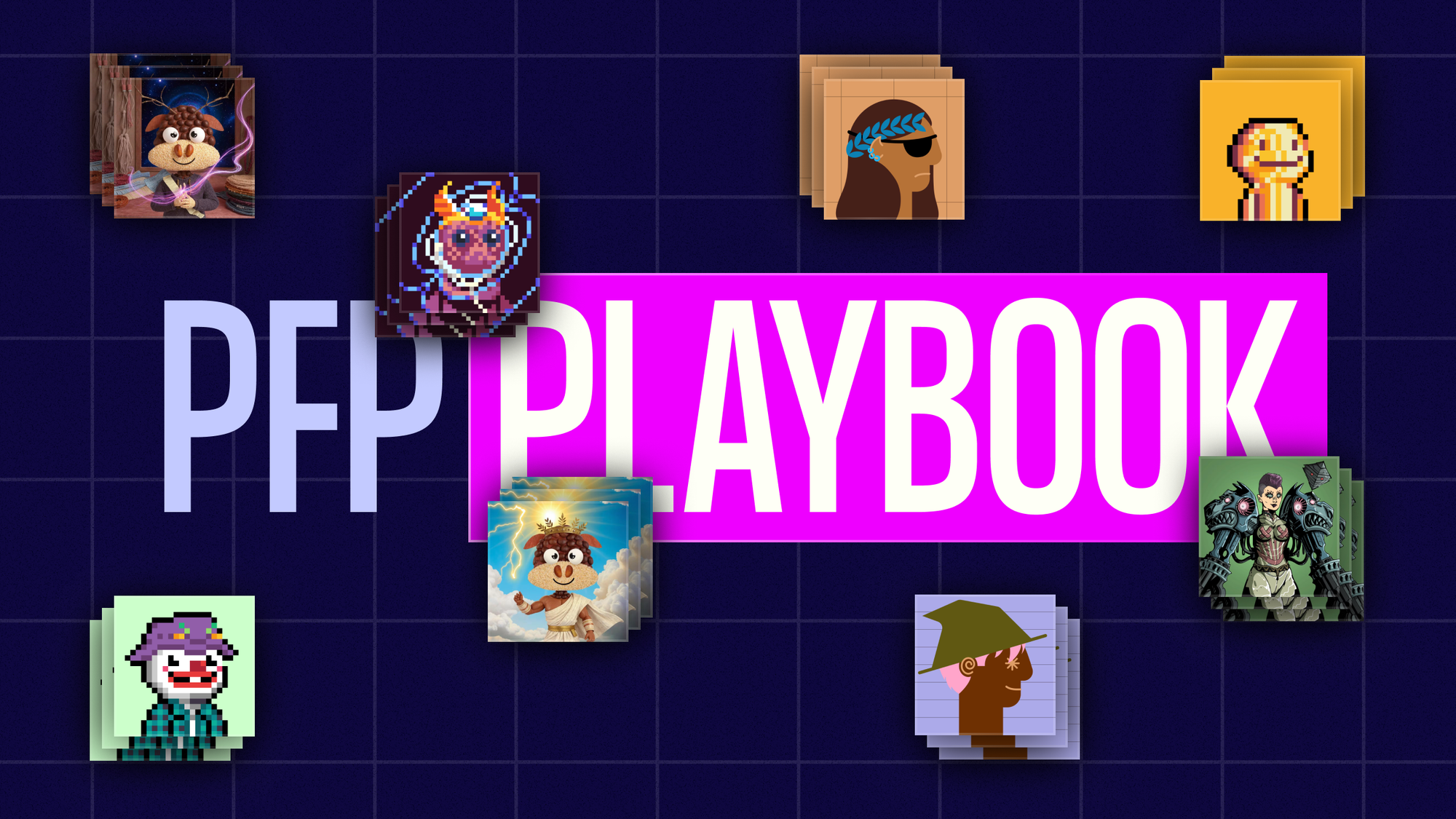
When the creator-focused NFT marketplace Scope set out to establish its footprint as a foundational application within the newly launched Eclipse chain, it required a narrative vehicle that could instantly resonate with digital creators and early adopters. To achieve this, the project introduced the After School Club collection, a strategic initiative designed to cement Scope’s positioning within the Eclipse ecosystem.
The journey toward the launch required extensive community cultivation. According to project leadership, the team spent more than half a year building momentum and trust through daily engagement, interactive community calls, and continuous feedback gathering to ensure the final collection directly reflected what their supporters wanted to see. This deliberate, community-first approach allowed Scope to anchor its market narrative effectively, proving that a targeted PFP release can successfully introduce a complex technical marketplace to a skeptical audience by leading with culture and shared identity.
Generating Hype During the Testnet Phase
For networks still navigating their critical testnet phases, maintaining user interest and fostering organic brand enthusiasm can present a formidable challenge. Camp Network tackled this hurdle head-on by launching TrailHeads, a narrative-driven PFP collection engineered specifically to onboard values-aligned participants into the burgeoning Camp ecosystem before the mainnet even went live.
The integration of TrailHeads proved instrumental in elevating Camp’s overall brand presence and community cohesion. Project representatives noted that the collection successfully funneled new users into the ecosystem, sparked a tremendous volume of creative community-generated content, and forged a tighter bond between individual holders and the core protocol team. Positioned as a focal point in the network’s extensive lead-up campaigns to mainnet, the drop demonstrated how early-stage networks can leverage digital collectibles to sustain engagement and build anticipation during technical development phases.
Showcasing Underlying Technology Through Modular Design
While many collections focus exclusively on cultural appeal or aesthetic storytelling, some projects utilize PFP drops as a live demonstration of advanced technical capabilities. The Espresso Network pursued this strategy with The Composables, a modular, narrative-driven collection designed not only to activate an early adopter community but also to showcase Espresso’s innovative cross-chain infrastructure in action.
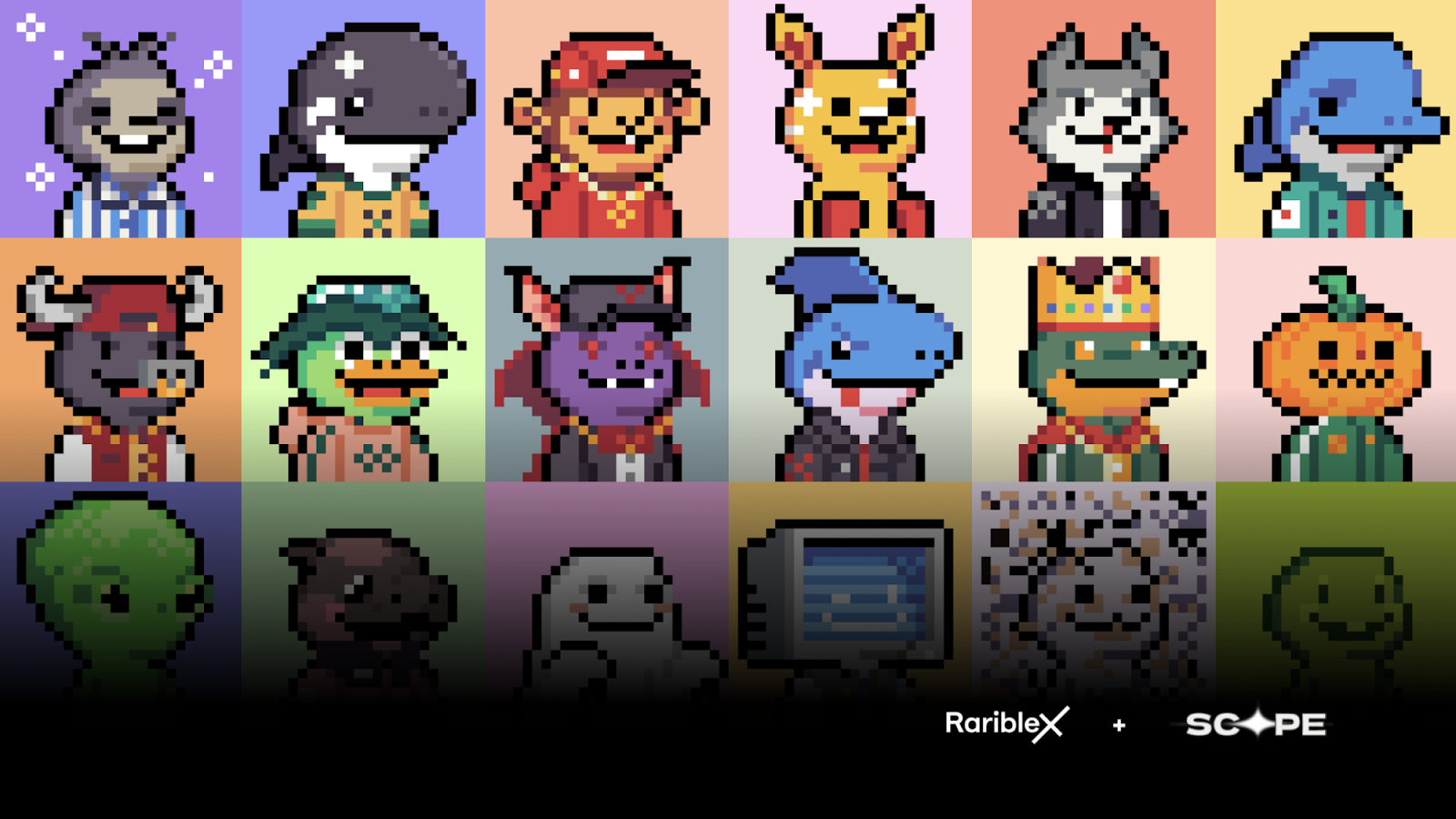
Unlike traditional NFT collections where digital assets remain siloed and notoriously difficult to migrate across disparate blockchain networks, The Composables were architected to move seamlessly throughout the broader Espresso ecosystem. Protocol leadership emphasized that the launch served as a practical proving ground for upcoming interoperability products and features slated for rollout over the coming months. Culminating in a swift sell-out, the drop provided a clear technical demonstration of how cross-chain infrastructure can support complex digital assets without fracturing the user experience.
Replicating Proven Go-to-Market Strategies
Analyzing these successful deployments reveals several core principles for teams planning a PFP-led go-to-market campaign. First and foremost, projects must tightly align their digital collection with their broader product or chain narrative. Whether telling a story about independent creators, acknowledging early contributors, or showcasing complex interoperability infrastructure, the collection must authentically reflect the underlying value proposition of the network.
Additionally, successful campaigns avoid treating the initial mint as the final destination. Instead, they use the resulting digital asset as a dynamic trigger for ongoing on-chain participation, leveraging early access privileges, gated communication channels, interactive quests, and reward eligibility to maintain momentum. Designing with functional utility in mind from day one—ensuring the asset serves a practical purpose within the application ecosystem rather than existing purely for display—remains a critical factor for sustained engagement.
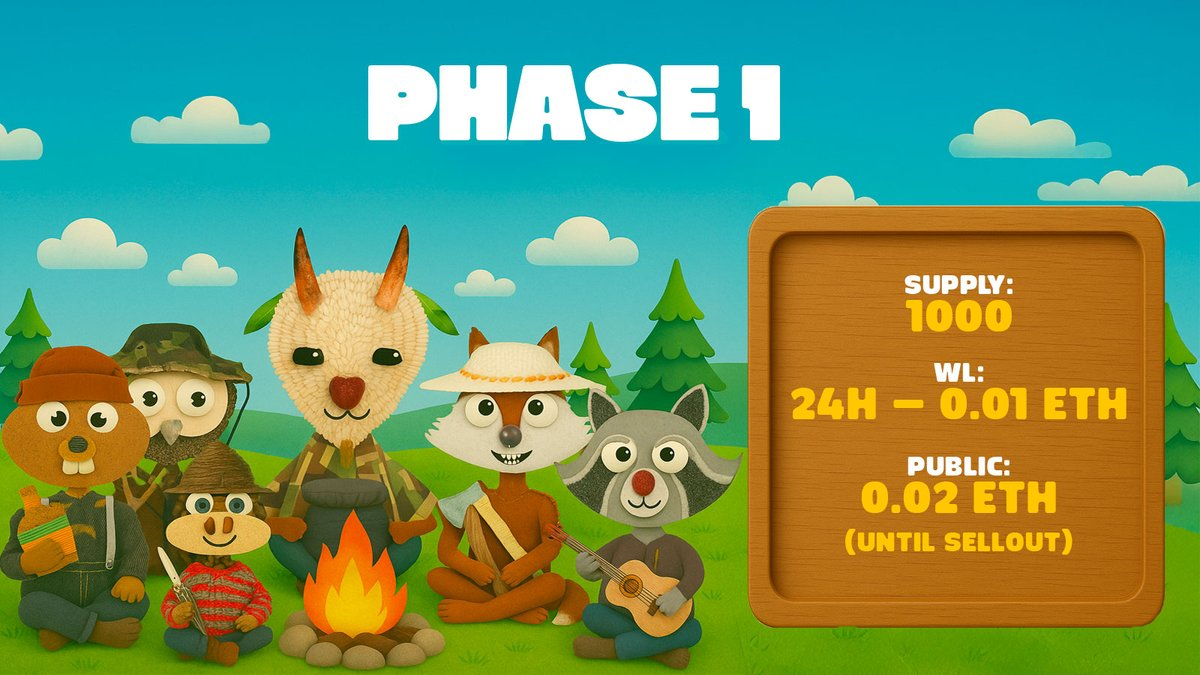
Ultimately, PFP collections have evolved far beyond transient Web3 novelties into programmable economic assets capable of unlocking substantial growth, user retention, and market traction when deployed with strategic intent. For any organization introducing a new blockchain network, decentralized product, or consumer brand into the digital asset ecosystem, these drops continue to serve as one of the most potent instruments available within the modern go-to-market toolkit.

Comments (0)