


In a recent, wide-ranging interview with The Examined Game, Bruce Nesmith, the lead designer behind Bethesda’s massive fantasy role-playing hit The Skyrim, opened up about the core philosophy that has driven some of the industry’s most successful open-world games. During the conversation, Nesmith touched upon a variety of topics, including the vital importance of institutional knowledge gained from past projects like Oblivion, his appreciation for Larian Studios’ modern CRPG triumph Baldur’s Gate 3, and
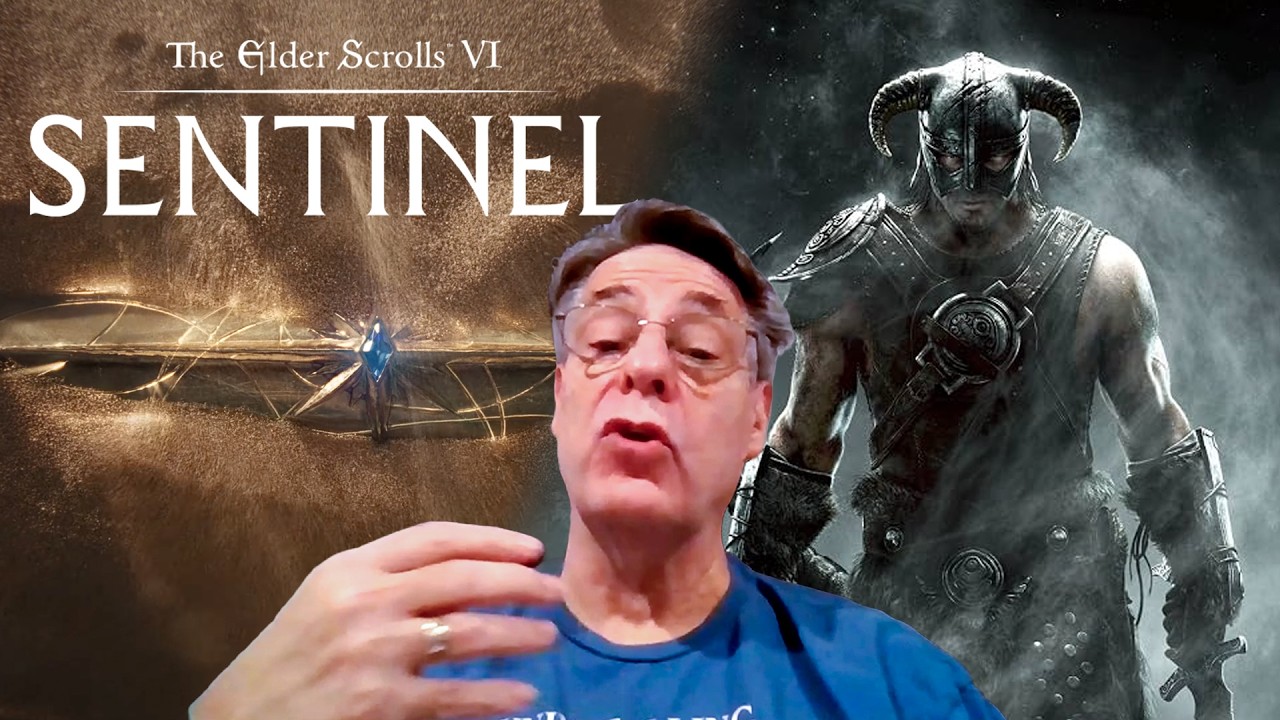
what he hopes to see when The Elder Scrolls 6: Sentinel eventually arrives. However, one of the most striking takeaways from the interview was a pithy maxim that neatly encapsulates how Bethesda approaches game design: "You’re not playing my game, I’m making your game."

Elaborating on this philosophy, Nesmith explained that when major triple-A studios develop sequels, the games that achieve the greatest success are frequently those that manage to maintain a clear vision while keeping the experience staunchly player-centric. According to Nesmith, once a studio finishes making a game, it effectively ceases to belong to the creators. Instead, ownership transfers entirely to the players.
To illustrate this point, Nesmith recalled an encounter with an unnamed developer—working on a project completely unrelated to Bethesda—who complained bitterly that the public was playing his game "wrong." Nesmith’s response to that developer was immediate and uncompromising: he told him that players cannot possibly play a game wrong because it is no longer the developer’s game. However individuals choose to interact with the virtual world is, by definition, the correct way to experience it.
Embracing this reality on the development side fundamentally changes how a studio operates, influencing everything from artistic direction and design choices to the technical programming of available systems. By accepting that players will forge their own paths, a studio is forced to build a diverse array of content and flexible mechanics designed to accommodate countless playstyles, ensuring that everyone can approach the experience on their own terms.
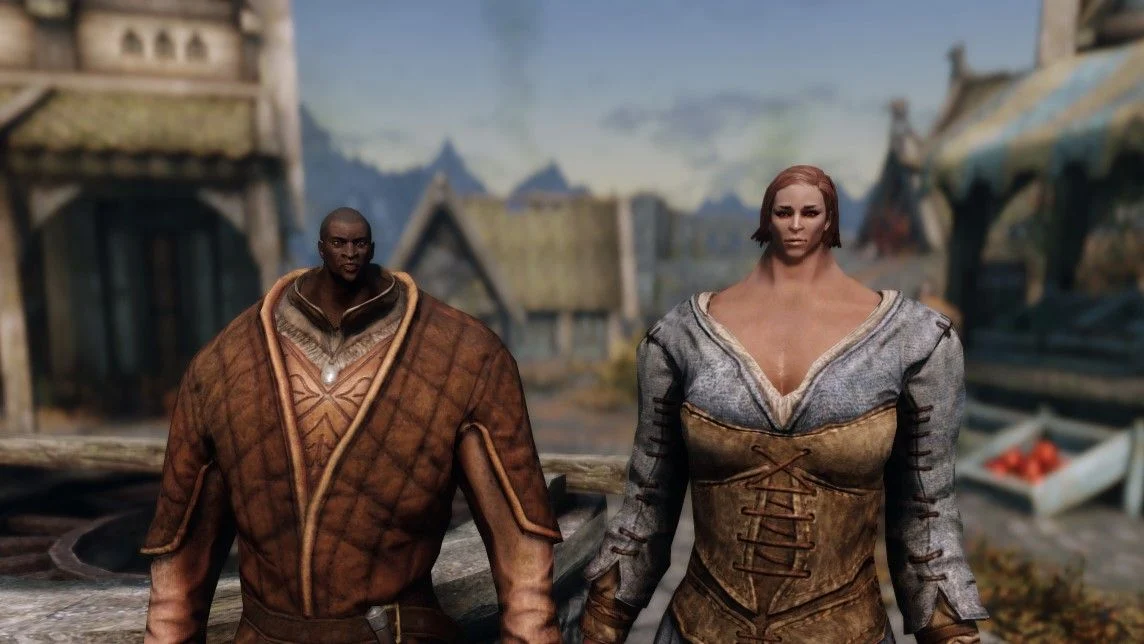
This ethos serves as a remarkably succinct summary of the broader Bethesda school of game design. Over the years, the studio’s hallmark traits have consistently included a heavy emphasis on accessibility, sweeping open worlds, and a deliberate sanding down of complex or punishing mechanics that might intimidate casual players—such as rigid character classes and intricate numerical ability scores, which have largely been streamlined or phased out of modern entries. Furthermore, this philosophy underpins Bethesda’s characteristic refusal to permanently lock players out of major story branches, guild questlines, or faction progressions based on individual role-playing decisions.
Within this single guiding maxim lies the duality of Bethesda’s approach to open-world RPG design, encompassing both its greatest strengths and its most debated weaknesses. On the positive side, the freedom it affords the player is virtually unmatched. If a particular questline begins to drag or fails to hold your attention, you can simply pivot to another activity without penalty. If you grow tired of your current character build, the game generally allows you to transition into something entirely new. Bethesda’s vast virtual worlds function as all-you-can-eat buffets where players navigate with virtually zero restrictions, delivering a profound sense of true open-world freedom.
At the same time, this design philosophy has long drawn criticism from a certain segment of traditional role-playing game enthusiasts. To critics who favor highly reactive, consequence-driven narratives, the Bethesda approach can occasionally feel a bit limp, emotionally colorlift, and strangely unresponsive. A player might ascend to the rank of leader in every major guild across the land while simultaneously operating as the chief assassin for the local criminal underground, yet the surrounding world often reacts with polite indifference. The game’s engine and narrative structure are simply not built to push back aggressively against the player. After all, if in-game choices carried severe, irreversible consequences or imposed harsh narrative friction, players might bump against a rough edge, and suddenly they might feel as though they are no longer playing "their" game.

As the industry continues to evolve and major studios experiment with different ways to tell interactive stories—highlighted by contrasting critical conversations around open-ended sandbox freedom versus tightly constrained, choice-reactive narrative paths—Nesmith’s reflections offer a fascinating window into the institutional mindset that built some of the most enduring virtual worlds in gaming history. Whether players prefer the boundless, consequence-light sandboxes of Bethesda or the rigid, decision-branching tapestries of modern CRPGs, understanding the studio’s foundational belief that the game ultimately belongs to the audience helps explain the enduring appeal of modern epics like Skyrim.




Comments (0)