


When futurist Kevin Kelly crossed paths with Google co-founder Larry Page at a social gathering back in 2002, he found himself baffled by the fundamental economics of the fledgling search engine. At a time when the internet was still finding its commercial footing, Kelly posed a blunt question that many skeptics shared: Why would anyone invest capital into a company offering its primary product entirely for free? Recalling the exchange years later, Kelly noted that he simply did not understand how free web search could ever become a viable business, asking Page where such a model was supposed to lead.
Page’s response was both memorably succinct and uncannily prophetic: "Oh, we’re really making an AI."

That historic conversation occurred two full years before the launch of Facebook, three years before the birth of YouTube, five years before Apple introduced the iPhone, and a staggering two decades before OpenAI released ChatGPT to the public. For Kelly, the admission served as a profound intellectual awakening. Writing in his 2016 book, The Inevitable, Kelly observed that rather than utilizing artificial intelligence merely to improve search functionality, Google was actually utilizing search to systematically improve its artificial intelligence. Every time an ordinary user typed a query, clicked on a search-generated link, or created a new hyperlink on the broader web, they were unwittingly participating in the iterative training of Google’s foundational AI systems.
History would ultimately prove Kelly right about the long-term trajectory of search engines. The quiet accumulation and refinement of data for AI training would ultimately eclipse search advertising as the most consequential technological endeavor of the digital era. Yet, looking back from the vantage point of 2025, economic and technological thinkers are now expanding that realization to encompass the entirety of the global network. The true, underlying purpose of the entire internet, according to prominent analysts, was never simply to connect humans or sell digital ads—it was to serve as the ultimate training ground for artificial intelligence.
That perspective was recently articulated by economist Alex Tabarrok during a conversation with fellow economist Tyler Cowen. Tabarrok suggested that when future historians look back at the sweep of technological evolution, they will remember the internet primarily as the "agar culture for the growth of the AI"—essentially functioning as the nutrient-rich petri dish from which modern machine intelligence sprang. Cowen echoed this sentiment, noting that society is only just beginning to grasp the sheer scale of this dynamic. As Tabarrok noted, putting everything online was ultimately for the AI rather than for human convenience, even if very few people grasped that reality during the chaotic expansion of the early web.
Except, of course, for Larry Page. And perhaps Page’s father, an early pioneer in the field of artificial intelligence research. And alongside them, Google co-founder Sergey Brin, whose deep expertise in machine learning runs so thorough that he has actively contributed code to Google’s modern large language models, including Gemini.
Despite laying the foundational data pipelines that power the current artificial intelligence boom, none of these three figures appeared on the cover of Time Magazine as designated "architects of AI." Yet, historical evidence suggests they arguably deserved the recognition, given how precisely Google’s search engine executed the vision they outlined at the turn of the century.
Back in 2000, long before deep learning captured the popular imagination, Page laid out the ultimate ambition of the company during a public presentation. He explained that the ultimate search engine would inherently understand everything on the vast expanse of the web, comprehending user intent precisely enough to deliver the correct answer every time. Such a capability, Page argued, was manifestly artificial intelligence: the capacity to answer any question imaginable simply because almost all human knowledge had been aggregated onto the web.
And who populated that digital repository with the necessary text, imagery, and code? The everyday users navigating the web. As Kevin Kelly vividly illustrated in 2016, when a user typed a phrase like "Easter Bunny" into an image search bar and subsequently clicked on the most accurate visual result, they were actively teaching the underlying AI what an Easter Bunny actually looked like. Billions of individual queries conducted by users across the globe acted as a relentless tutoring mechanism for deep learning systems, reinforcing patterns and refining outputs millions of times a day. With modern daily Google queries now surging past sixteen billion, that training loop has only accelerated exponentially.
This reality reframes the recipient of historical credit for the modern AI revolution. By virtue of the billions of search queries, blog posts, forum comments, and digital interactions performed over the past twenty-five years, everyday internet users effectively built the dataset that current AI models rely upon. If anyone deserved a spot on the magazine covers celebrating AI architects this year, it was arguably the cumulative collective of internet users who spent decades executing the mundane queries that trained the algorithms.
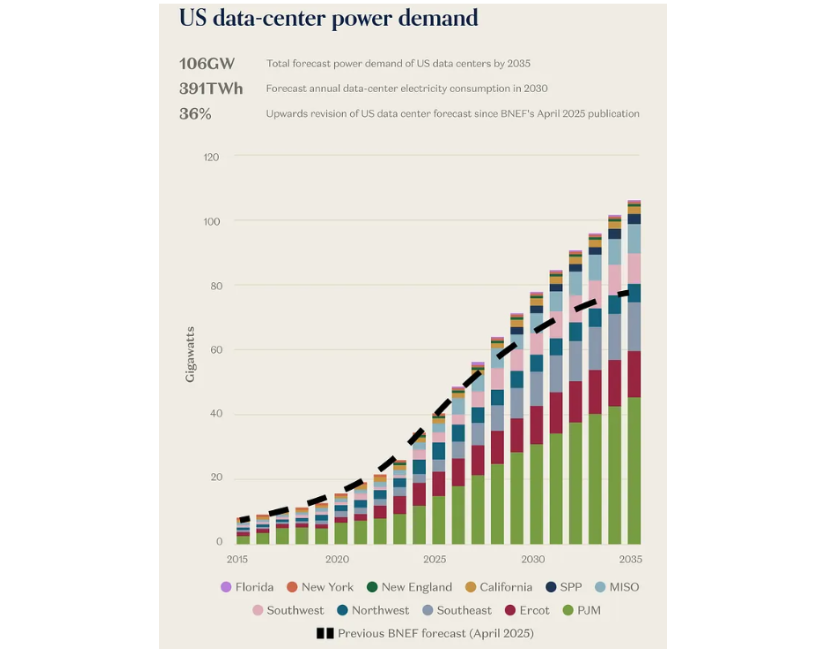
At the same time, the realization that the internet was built to train AI coincides with a massive global scramble to power the next generation of computing infrastructure. Recent forecasts from industry analysts at a16z indicate that projected data center power consumption has spiked by 36% since April alone. Technology markets have frequently wobbled as investors confront a stark operational bottleneck: the physical inability to generate and secure enough electrical power to run the sprawling data centers that major tech firms deem necessary for future model development.
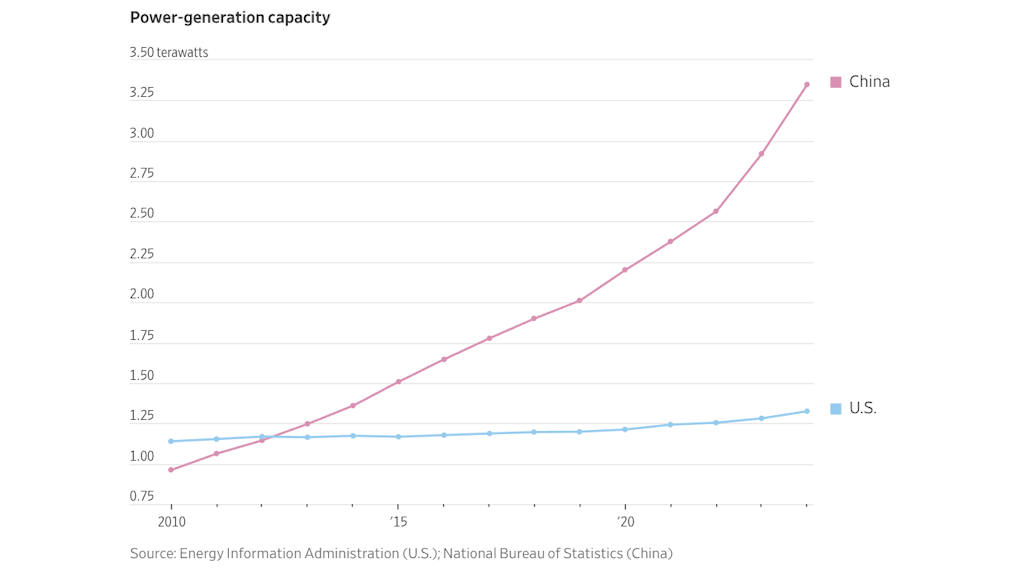
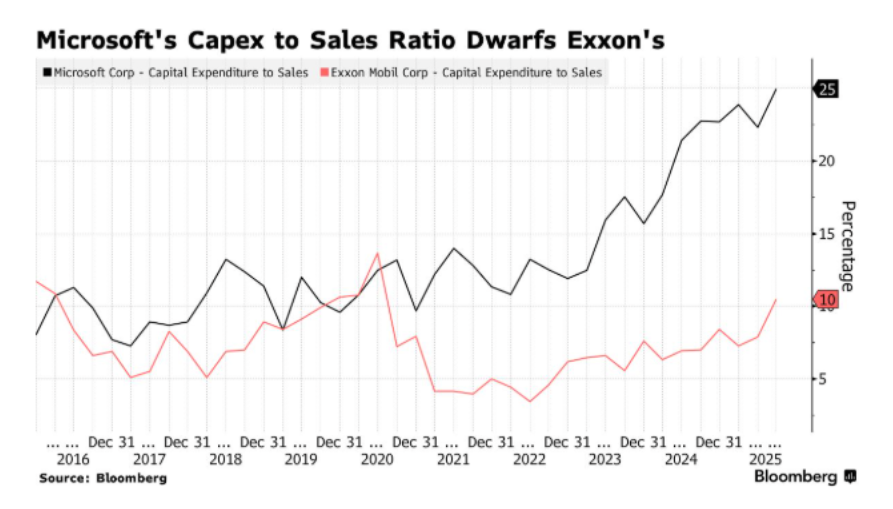
This energy race has introduced fascinating geopolitical dynamics, most notably involving China. Projections suggest that China’s strategic advantage in the race toward Artificial General Intelligence (AGI) may soon be bolstered by a power generation capacity running at triple the output of the United States. This energy-intensive trajectory has also triggered a remarkable inversion in corporate investment roles. Financial analysts note that Microsoft, historically operating as an asset-light software business, is now spending more than double the percentage of its sales on capital expenditures compared to ExxonMobil, a traditional industry titan of heavy physical assets.
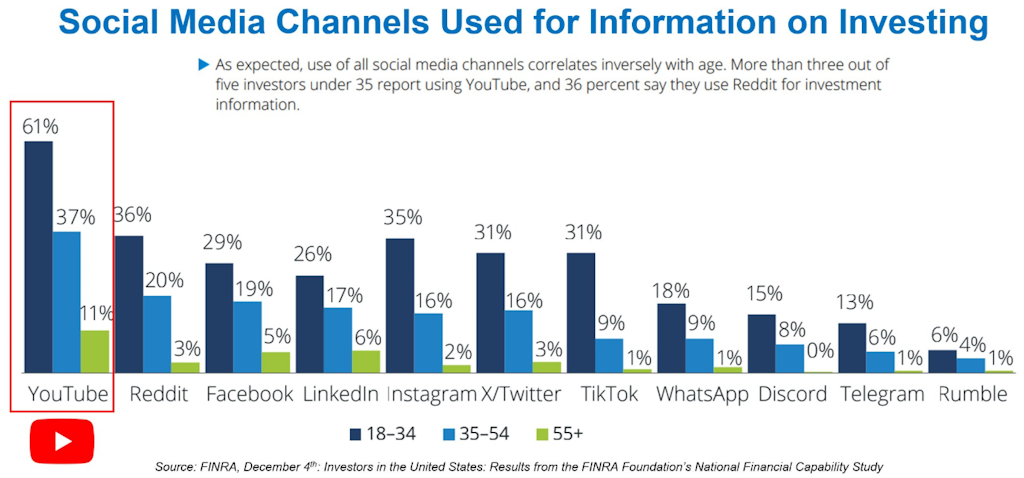
Simultaneously, broader economic and social shifts continue to intersect with technological changes. Recent survey data from Finra highlights a growing generational reliance on alternative digital platforms for financial guidance, revealing that 61% of investors under the age of 35 turn to YouTube for investing advice. This reliance on decentralized digital media contrasts sharply with legislative efforts worldwide regarding youth digital access.
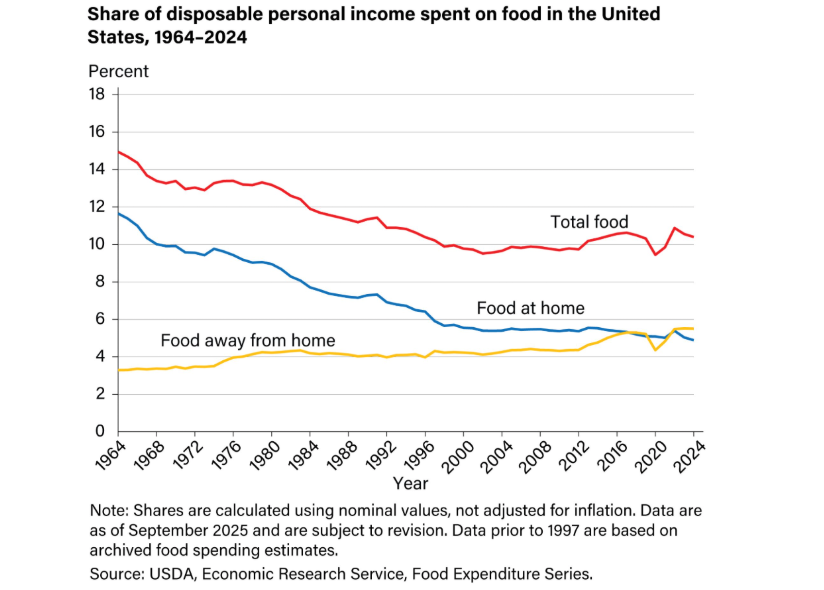
Economic anxieties, particularly regarding the cost of living, also face a reality check when measured against broader macroeconomic trends. Despite widespread social media narratives concerning a historic crisis in grocery store prices, official spending data indicates that food consumed at home has actually grown cheaper as a percentage of overall disposable income. While total household food budgets remain relatively stable, the underlying data suggests that spending patterns reflect changing consumer habits and conveniences rather than runaway inflationary punishment on basic nutritional goods.
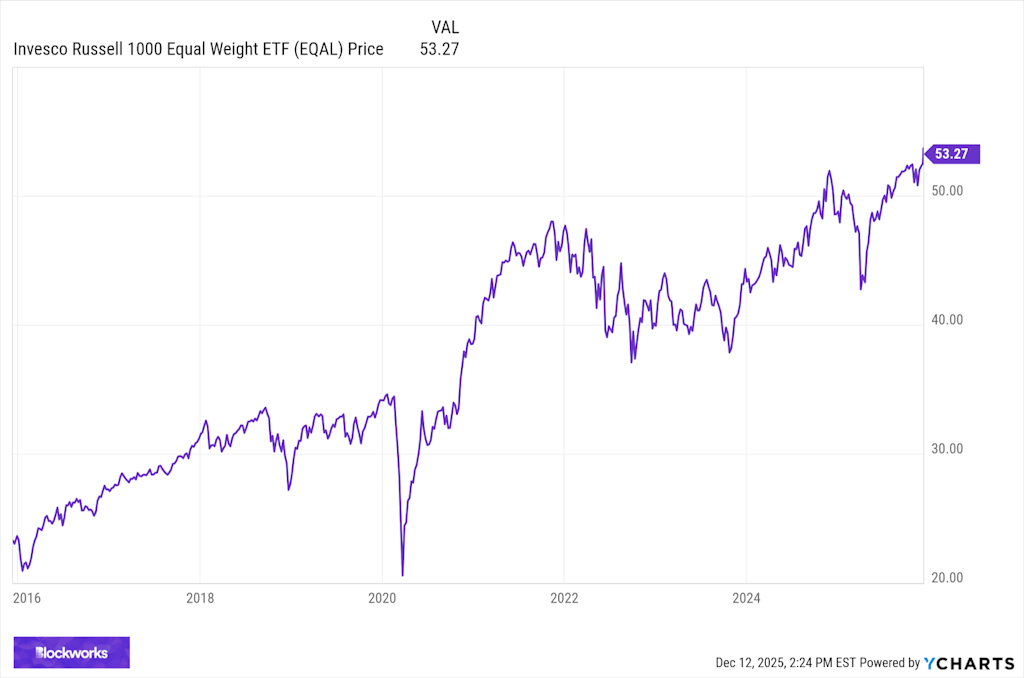
Beyond the dominant narrative of artificial intelligence and its infrastructure demands, the broader financial markets continue to exhibit diverse health. The equal-weight S&P 500 recently reached an all-time high, signaling that market strength extends far beyond the handful of mega-cap technology monopolies dominating headlines.
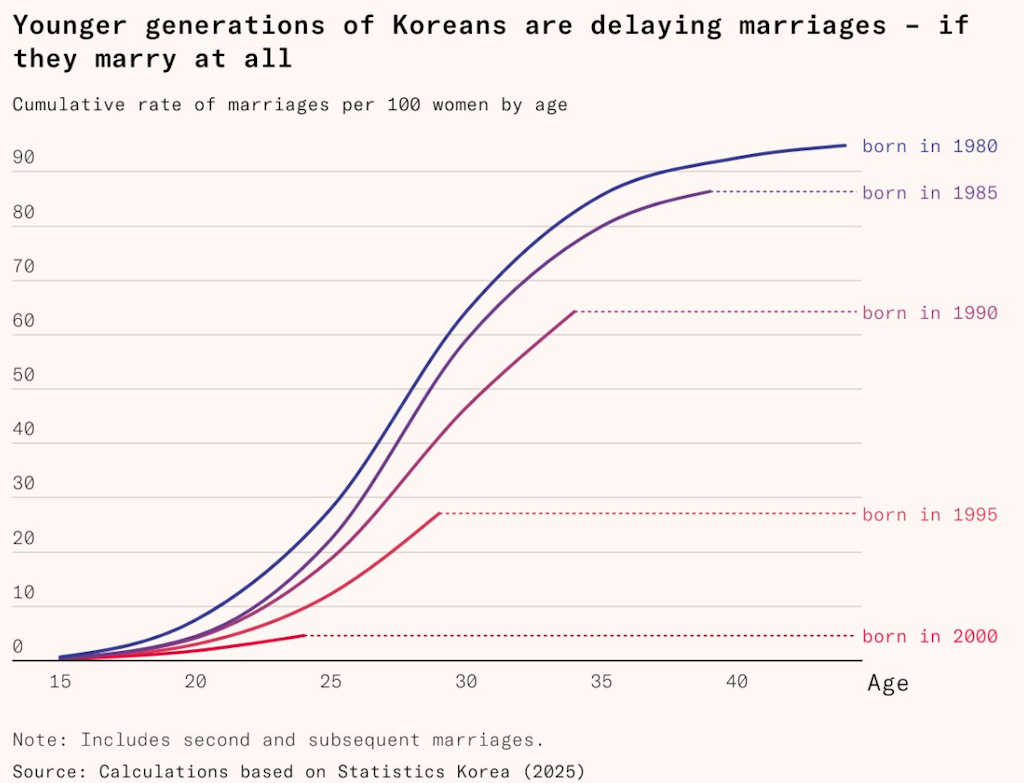
However, long-term structural challenges loom on the horizon, particularly regarding demographics. Economists point to stark population metrics, such as projections in South Korea where every current group of one hundred citizens will collectively produce only six great-grandchildren in total. Such demographic declines present immense challenges for future labor forces, offering a grim economic outlook that makes the rapid advancement of automated labor and artificial intelligence not merely an ambitious technological pursuit, but an economic necessity for future societal stability.
These sweeping shifts ultimately recall the interconnected history of human digital participation and technological evolution. Time Magazine memorably named "The Computer" as its Machine of the Year in 1982, and decades later honored "You"—the individual content creators populating the world wide web with blog posts, YouTube videos, and forum comments—as Person of the Year for 2006.
In many ways, humanity deserved a repeat appearance alongside modern technology leaders. Without the billions of conscious and unconscious contributions made by everyday users populating the digital ecosystem, the modern architects of artificial intelligence would have found themselves facing an empty digital void with nothing left to train upon.





Comments (0)