


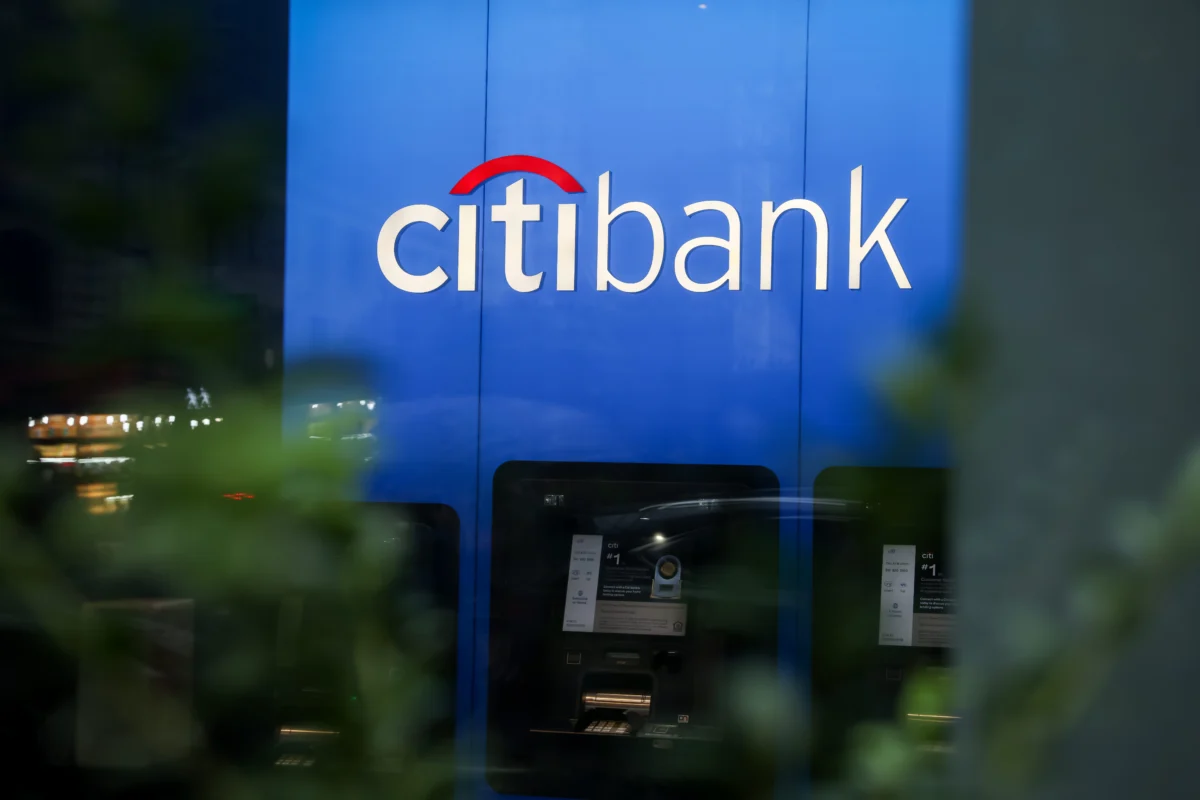
BANGKOK — United States trade and treasury officials have used high-level international meetings in the Thai capital this week to press Beijing on expanded market access for major American financial institutions, including Mastercard Inc., Visa Inc., and Citigroup Inc., according to a senior U.S. Treasury official.
The discussions took place during at least two bilateral meetings held on the sidelines of the Group of 20 finance ministers meetings and the annual gathering of the International Monetary Fund and the World Bank. The U.S. Treasury delegation, led by Deputy Secretary Francis Brooke, met directly with counterparts from the People’s Bank of China and China’s finance ministry. The official who disclosed the details of the discussions spoke on the condition of anonymity, citing the closed-door nature of the diplomatic engagements.
According to the official, the high-stakes dialogue focused heavily on securing regulatory approvals and expanding operational freedom for U.S. payment giants and financial services providers. These talks directly follow up on the broader economic agreements reached during the high-profile state visit between U.S. President Donald Trump and Chinese President Xi Jinping in Washington last month. The diplomatic engagement in Bangkok served as a continuation of those discussions, specifically aiming to hammer out the practical implementation details of the commitments made by the two world leaders.
The ongoing negotiations highlight a broader, gradual thawing of regulatory barriers between the world’s two largest economies, even as structural tensions persist in other areas of trade and national security. While Beijing has steadily opened portions of its vast domestic financial sector to foreign competitors over the past several years, the landscape for foreign payment networks and major global banks remains heavily regulated, with state-backed domestic players maintaining a dominant position.
Despite the intense diplomatic activity in Bangkok, several regulatory bodies and financial institutions involved maintained silence regarding the specifics of the closed meetings. The People’s Bank of China, China’s National Financial Regulatory Administration, the China Securities Regulatory Commission, the Chinese embassies in Singapore and Thailand, the U.S. Treasury Department press office, and Visa did not immediately respond to requests for comment from media organizations. Meanwhile, representatives for Citigroup and Mastercard both declined to comment on the ongoing bilateral talks.
The diplomatic push in Thailand comes on the heels of a notable regulatory breakthrough for the U.S. payments industry. On October 13, China granted formal approval to Visa Inc. to begin preparations for establishing a wholly owned domestic card-clearing business within the country. Under the terms outlined by the People’s Bank of China, Visa has been given a window of up to one year to complete its operational preparations before it must officially apply for a permanent operating license.
This development represents the latest step in China’s phased opening of its financial markets, a process that began in earnest around 2018 when Beijing started gradually lifting foreign ownership caps across various financial sectors, including securities firms, futures companies, and fund management businesses. Despite these reforms, foreign institutions continue to face significant hurdles, particularly regarding strict limits on cross-border capital flows and the entrenched market dominance of domestic, state-backed payment providers.
Competitor Mastercard has already established a footprint in the Chinese domestic market, operating yuan-denominated card payments through a local joint venture with NetsUnion Clearing Corp. that officially commenced operations in 2024. However, the ongoing diplomatic discussions and broader regulatory shifts point toward a future where major Western payment networks could secure even greater autonomy within the mainland economy, transitioning from local joint ventures to independent, wholly owned operations.
At the same time, Wall Street banking giant Citigroup is pursuing its own major expansion within mainland China. According to industry sources familiar with the matter who spoke on the condition of anonymity due to the private nature of the discussions, Citigroup has already hired several dozen employees for its expanding China unit. The bank is actively seeking a wholly owned securities license that would allow it to conduct a comprehensive suite of financial services in the onshore market, including A-share brokerage, underwriting, research, and principal trading businesses.
One of the sources close to Citigroup indicated that the financial institution has ambitious plans to scale up its local workforce, intending to increase its China securities staff to approximately 100 employees as it anticipates regulatory clearance. Citigroup first submitted its formal application for the securities license in late 2021, and recent reports from financial industry monitors suggest that final approval from Chinese regulators could be imminent.
The bilateral negotiations in Bangkok and the steady march toward regulatory approvals are unfolding ahead of another highly anticipated diplomatic encounter. Presidents Donald Trump and Xi Jinping are widely expected to meet in person for the third time this year, with the upcoming encounter scheduled to take place in Shenzhen, China, on the sidelines of the Asia-Pacific Economic Cooperation summit in November.
Market analysts and geopolitical observers suggest that these ongoing financial concessions, while carefully managed by Beijing, serve a strategic purpose in maintaining a stable economic relationship between the two superpowers.
"The move suggests the US-China trade environment remains benign, and Beijing is keen to keep up the momentum," said Dan Wang, China director at Eurasia Group, analyzing the broader implications of the regulatory shifts and diplomatic talks.
While granting licenses and operational leeway to major U.S. financial firms represents a relatively measured and controlled approach to market liberalization, Wang noted that such actions function as a "limited concession" on market access. Nevertheless, she emphasized that these gestures send a clear signal that China is committed to continuing its measured opening-up process, a development that "should marginally bolster investor confidence in Chinese assets" amid a complex global economic backdrop.



Comments (0)