


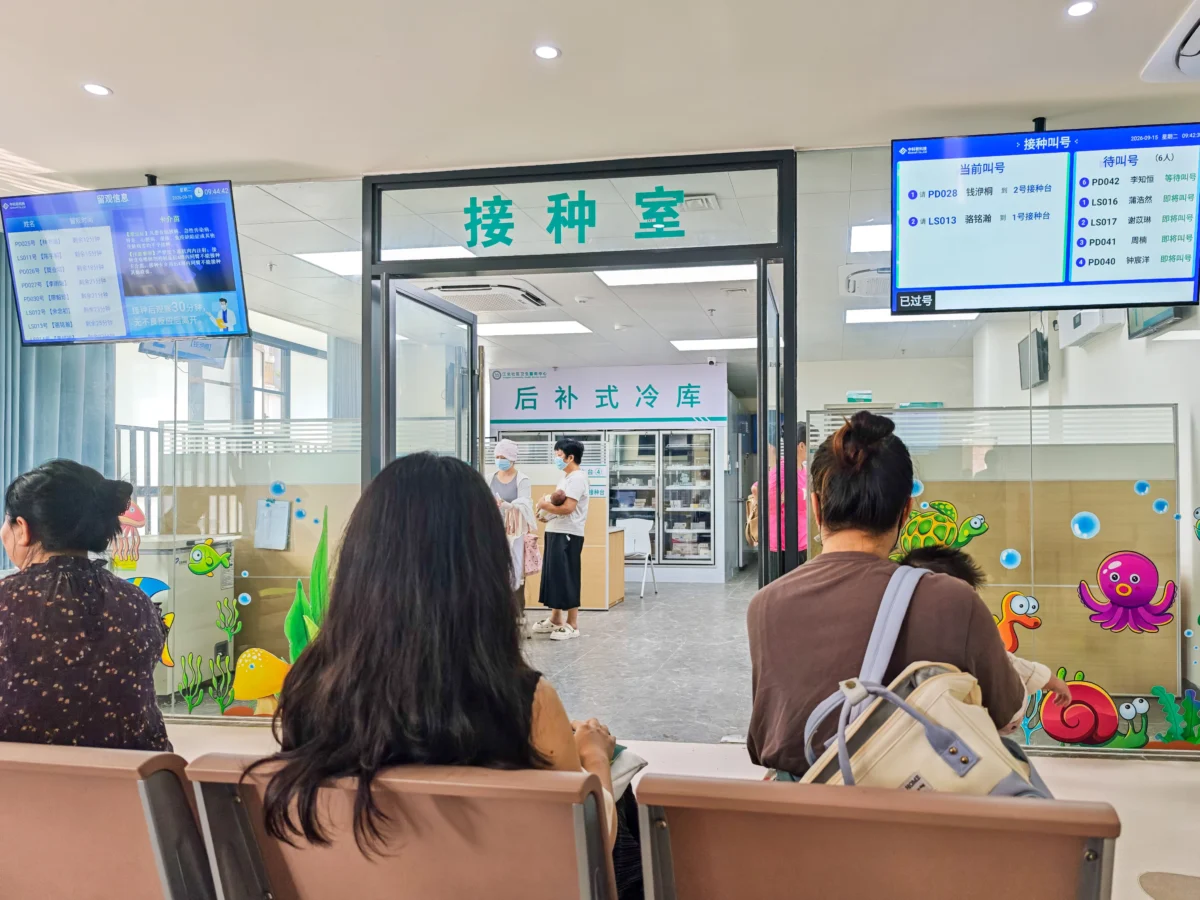
According to the IMF’s comprehensive research, the financial burden of medical care is particularly acute in the nation’s vast countryside. In rural China, a staggering 8.7% of disposable income is funneled directly into healthcare expenses. This places rural China in an unenviable position on the global stage, ranking second only to the United States among twenty major economies analyzed in the study. The United States claims the highest spot globally, with its population spending nearly 9.9% of their disposable income on medical care.
Meanwhile, urban China is not far behind, ranking third globally at 5.4%. This figure places urban Chinese households slightly ahead of Canada in terms of the proportion of disposable income dedicated to health-related expenditures, according to the data compiled by the international financial institution.
However, the sheer weight of this healthcare burden becomes starkly apparent when juxtaposed with the vast disparities in per capita wealth between China and Western economies. Official data from the Federal Reserve Bank of St. Louis indicates that per capita disposable income in the United States stood at $68,289 at the close of last year. This figure is more than ten times greater than China’s per capita disposable income, which was recorded at 43,377 yuan, translating to roughly $6,400 in U.S. dollar terms.
This financial gap widens even further when examining the realities of China’s rural regions. The nation’s countryside officially emerged from extreme poverty only recently, in 2020, following a massive, multi-year government mobilization. Despite these historic gains, the economic chasm between urban and rural centers remains vast. Official data accessed via Wind Information shows that urban China recorded more than twice the disposable income of rural areas, standing at 56,502 yuan compared to just 24,456 yuan for rural residents.
Faced with these economic realities, rural households are forced to maintain extraordinarily high precautionary savings buffers to protect themselves against potential medical emergencies. To address this structural imbalance, the IMF argues that targeted policy measures are urgently required. Specifically, increasing government spending on public health and strengthening social security safety nets in rural areas could significantly reduce the elevated savings rate among rural households, thereby freeing up capital for everyday consumption.
In their contributions to the newly published book, Yizhi Xu, an economist in the north Asia division of the IMF’s Asia and Pacific Department, and Fan Zhang, the IMF’s deputy resident representative in Beijing, emphasized the direct link between state-provided welfare and consumer behavior. "China’s social spending is low compared with international peers, and increasing that spending would lift consumption," Xu and Zhang wrote, highlighting a longstanding structural critique of the Chinese economic model.
Further compounding the issue of high precautionary savings is the deep-seated demographic and economic divide between migrant workers and urban residents. The IMF researchers recorded a dramatic divergence in savings behaviors based on residency status. People originating from rural areas who travel to work in China’s bustling cities maintain a staggering savings rate of around 14%. In stark contrast, individuals who possess the coveted urban "hukou" residency rights—which grant them significantly broader access to municipal social welfare benefits, subsidized housing, and localized healthcare services—exhibit a much lower savings rate of about 6%.
This disparity underscores how the lack of a comprehensive social safety net for migrant workers forces them to save a much larger share of their hard-earned income to insure against future uncertainties, ranging from unemployment to severe illness. Without guaranteed access to the same public services and medical subsidies as local urbanites, migrant families must rely entirely on their own accumulated savings to weather any financial storms.
Compounding these deep-rooted structural pressures on household finances are ongoing troubles within the nation’s residential real estate sector. For decades, property was viewed by ordinary Chinese citizens as the ultimate safe-haven asset and the primary vehicle for wealth accumulation. However, the prolonged downturn in the property market has fundamentally altered consumer psychology and household balance sheets.
"Declining house prices in recent years continue to weigh on consumption and contribute to elevated household savings," Xu and Zhang noted in their analysis. As property values have slid, the negative wealth effect has caused consumers to feel significantly less wealthy and far more financially insecure. This widespread erosion of household wealth has triggered a paradox of thrift, where consumers respond to falling asset prices and economic uncertainty not by spending more, but by cutting back discretionary purchases and aggressively preserving liquidity.
As policymakers in Beijing search for sustainable ways to rebalance the economy toward domestic consumption-led growth, the IMF’s findings suggest that addressing the root causes of high household savings will require more than temporary stimulus. Long-term structural reforms aimed at expanding healthcare access, bolstering rural social security, and bridging the welfare gap for migrant workers remain critical pieces of the puzzle for unlocking the spending power of the Chinese consumer.





Comments (0)