


If you could wave a magic wand and instantly secure one million followers on any social media platform, choosing the right destination boils down to a single, critical motivation: financial compensation. For years, the universally accepted answer for creators seeking to make a sustainable living from their labor has been YouTube. Armed with a reliable, transparent ad-revenue-sharing model and robust partner programs, the Google-owned video giant has stood uncontested at the top of the creator economy.
However, a strategic pivot by Instagram could completely upend that long-held dynamic. In an unexpected about-face, the Meta-owned photo and video sharing application is officially testing a brand-new type of video upload that allows creators to share what it calls "Features"—videos that can stretch up to a staggering 90 minutes in length. After years in which the entire tech industry—stretching from TikTok to LinkedIn—aggressively chased the dopamine hit of short-form, vertical video, Instagram’s pivot back toward long-form content marks one of the most notable strategy shifts of the decade.
The dominance of short-form vertical video has undeniably defined internet culture throughout the 2020s. Yet, despite driving massive view counts, algorithmic engagement, and viral moments, the creators behind these snackable clips rarely make a meaningful direct living from platforms like Instagram. While the Meta-owned network features limited monetization tools such as user subscriptions, it does not traditionally pay creators on a direct per-view basis.
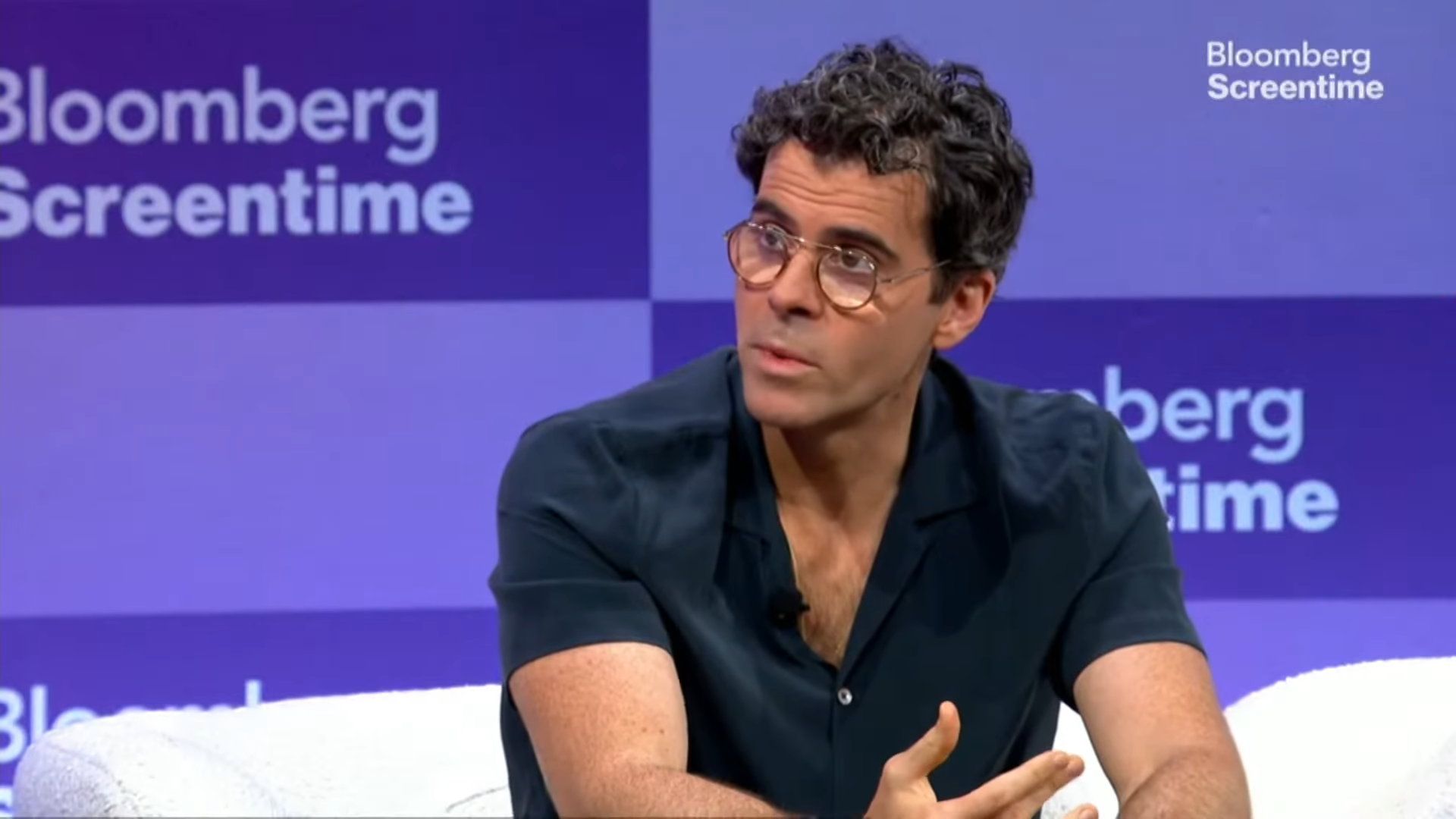
The economic mismatch of short-form video was recently laid bare by Instagram head Adam Mosseri during an appearance on the popular creator economy interview program, The Colin and Samir Show. Breaking down the financial pillars of the platform, Mosseri offered a frank assessment of how money flows through the ecosystem.
"You can get paid by the platform directly, you can get paid by a fan, and you can get paid by a brand," Mosseri explained during the interview. "And right now, the way that it works on Instagram primarily is you primarily get paid by brands. Some people get paid by fans. We have still a small performance-based program, but… we spend more money than we make back by a long shot, and so it doesn’t really make sense to scale up because we’re just burning capital."
By contrast, YouTube’s payment infrastructure operates on a much more straightforward and lucrative blueprint. Advertisers place spots directly onto long-form uploads, and creators enrolled in the coveted YouTube Partner Program collect 55 percent of the ad revenue generated by their content. Over time, those percentages accumulate into staggering fortunes. Last year, YouTube publicly revealed that it had paid out more than $100 billion to independent creators, musicians, and major media companies over the course of the preceding four years alone.
For years, neither Instagram nor TikTok has been able to successfully replicate YouTube’s direct monetization model using short-form content. Short-form clips are inherently trickier to monetize effectively because physical screen real estate is limited, leaving vastly less room to seamlessly insert traditional advertisements without ruining the user experience. Consequently, many digital creators treat their short-form accounts not as primary revenue engines, but rather as top-of-funnel promotional arms designed to drive traffic back to their more lucrative YouTube channels.
Instagram’s newfound push into extended video is not its first rodeo. Nearly a decade ago, the platform introduced IGTV, an ambitious standalone app and upload format designed to foster long-form video creation. Ultimately, IGTV failed to capture the public imagination and was quietly shuttered, leaving Meta to double down entirely on the meteoric rise of Reels.
Now, however, the corporate landscape has shifted. Given that Meta generates tens of billions of dollars annually through its sophisticated advertising engine, industry watchers are left wondering: If Meta ultimately decides to inject ads into these new 90-minute "Features," could Instagram finally mount a serious, existential challenge to the YouTube Partner Program?
When pressed on whether a direct, YouTube-style revenue-sharing model is on the horizon, a Meta spokesperson offered a measured, albeit cautious, response to TechCrunch.

"It’s too early to share a long-term monetization model, but we’re exploring ways for creators to earn from brands, fans, and Instagram, including performance-based incentives," the spokesperson stated. "Over time, we think there will be compounding benefits for creators to tell new stories, reach new audiences, and find new partners, which should lead to many monetization opportunities."
While it is far from a definitive promise of guaranteed ad-revenue payouts, it is equally far from a flat rejection of the idea.
The internal debate behind this strategic pivot was recently addressed by Mosseri in a video announcement explaining why the platform is embracing long-form video once again after completely abandoning IGTV years prior.
"For a long time, I have been against doing long-form video on Instagram," Mosseri admitted in the video, noting that short-form content like Reels historically drives higher volumes of shares and direct messages among everyday users.
The internal momentum to shift course ultimately came from Instagram VP of Product Tessa Lyons, who steadily advocated for the change and finally convinced Mosseri to give long-form content another chance.
"Reels is still going to be a core part of Instagram," Lyons explained in the announcement video. "But when you want to go deeper with the creators you love and the content that they’re creating, you should be able to do that on Instagram."
Put simply, Instagram would much rather keep dedicated fans entirely within its own ecosystem to consume both short- and long-form content from a favorite creator than risk losing those users to YouTube. To bridge the gap between formats, Instagram is actively testing a complementary feature called "Clips as Reels." This tool enables creators to easily slice highlights out of their long-form uploads and publish them as standard Reels, which then serve as direct pathways linking viewers back to the full-length video. Additionally, viewers will have the option to save longer videos so they can cast them directly to the Instagram app on their living room televisions.
Instagram is currently rolling out tests for both "Features" and "Clips as Reels" in Brazil before expanding into a small-scale public test in the United States. Simultaneously, the platform is developing improved content discovery features for Live video alongside a dedicated profile hub designed for episodic Reels—a sequential video series format functionally similar to TikTok’s popular playlist feature.
"The thing that the team has been working on that we’re excited to share with you is trying to make it so that the short-form and the long-form video can be symbiotic," Mosseri said. "We’re going to try to support these different types of formats, both in the mobile app, but also on the TV app, which I think is… going to take some time to get right. But I’m actually very excited about it, and we’re very committed to it long term."




Comments (0)