


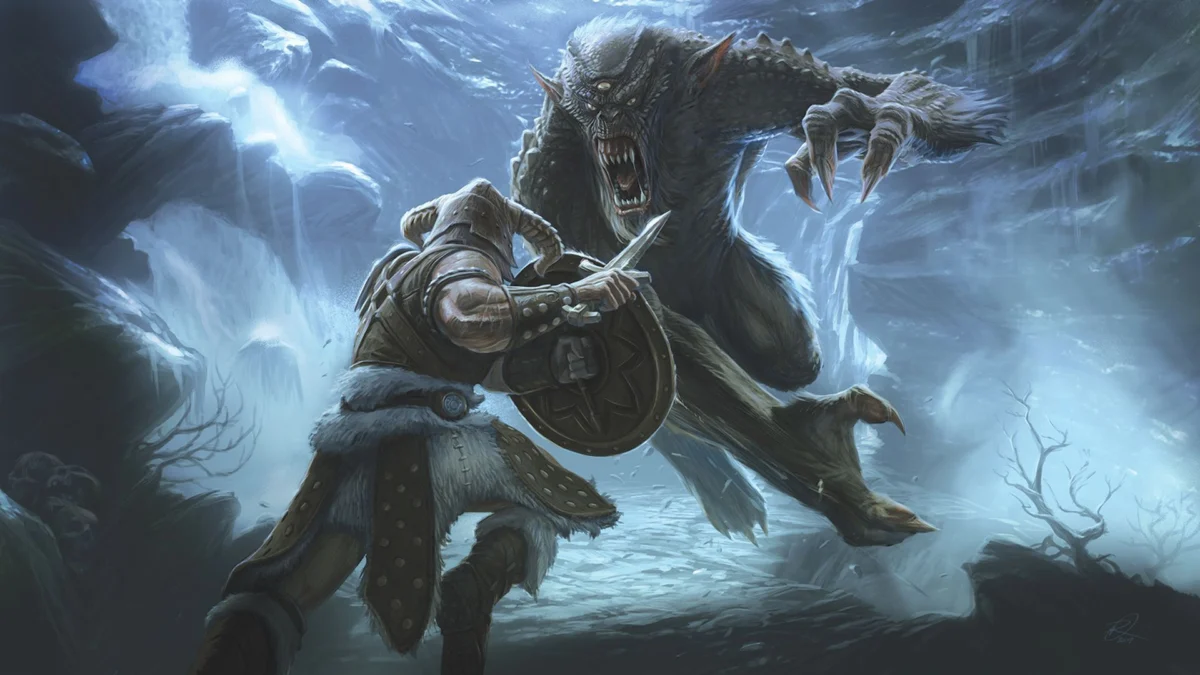
When players first receive the invitation from the mysterious Greybeards to journey up to High Hrothgar in The Elder Scrolls V: Skyrim, they are introduced to one of the game’s most iconic and grueling treks. Down in the quiet, mist-shrouded village of Ivarstead at the base of the massive mountain, a local messenger named Klimmek waits to offer a word of warning about the arduous journey ahead. To reach the holy sanctuary at the peak of the Throat of the World, travelers are told they must navigate a path known widely throughout the province’s lore as The 7,000 Steps.
For years, dedicated fans and veteran adventurers have explored, documented, and debated the true physical scale of this legendary climb. It is a well-documented and widely accepted fact among the Skyrim community that there are not actually 7,000 physical stone steps carved into the steep, unforgiving side of the mountain. Many of the ancient steps are long buried under deep, unrelenting drifts of snow and ice, making an exact, step-by-step physical count impossible for anyone attempting to map the terrain. However, the actual number of visible and rendered steps is dramatically lower, resting closer to 700. Even if one argues that the name "The 7,000 Steps" might metaphorically refer to the sheer number of individual footsteps it takes a traveler to complete the vertical ascent, community researchers and data miners at the Ultimate Elder Scrolls Portal have calculated that it realistically takes roughly 2,400 footsteps to make the journey from bottom to top.
The mystery behind this massive mathematical discrepancy has finally been solved thanks to a retrospective look shared by the developers themselves. As part of Bethesda Game Studios’ major 40th-anniversary celebrations—a milestone that notably included the official reveal of The Elder Scrolls 6‘s subtitle, Sentinel—the studio opened up its archives and reminisced about the creation of its previous monumental works. Among the behind-the-scenes insights shared by the development team was the definitive answer regarding whether the studio actually attempted to construct all 7,000 literal steps into the side of Skyrim’s highest peak during the game’s production cycle.
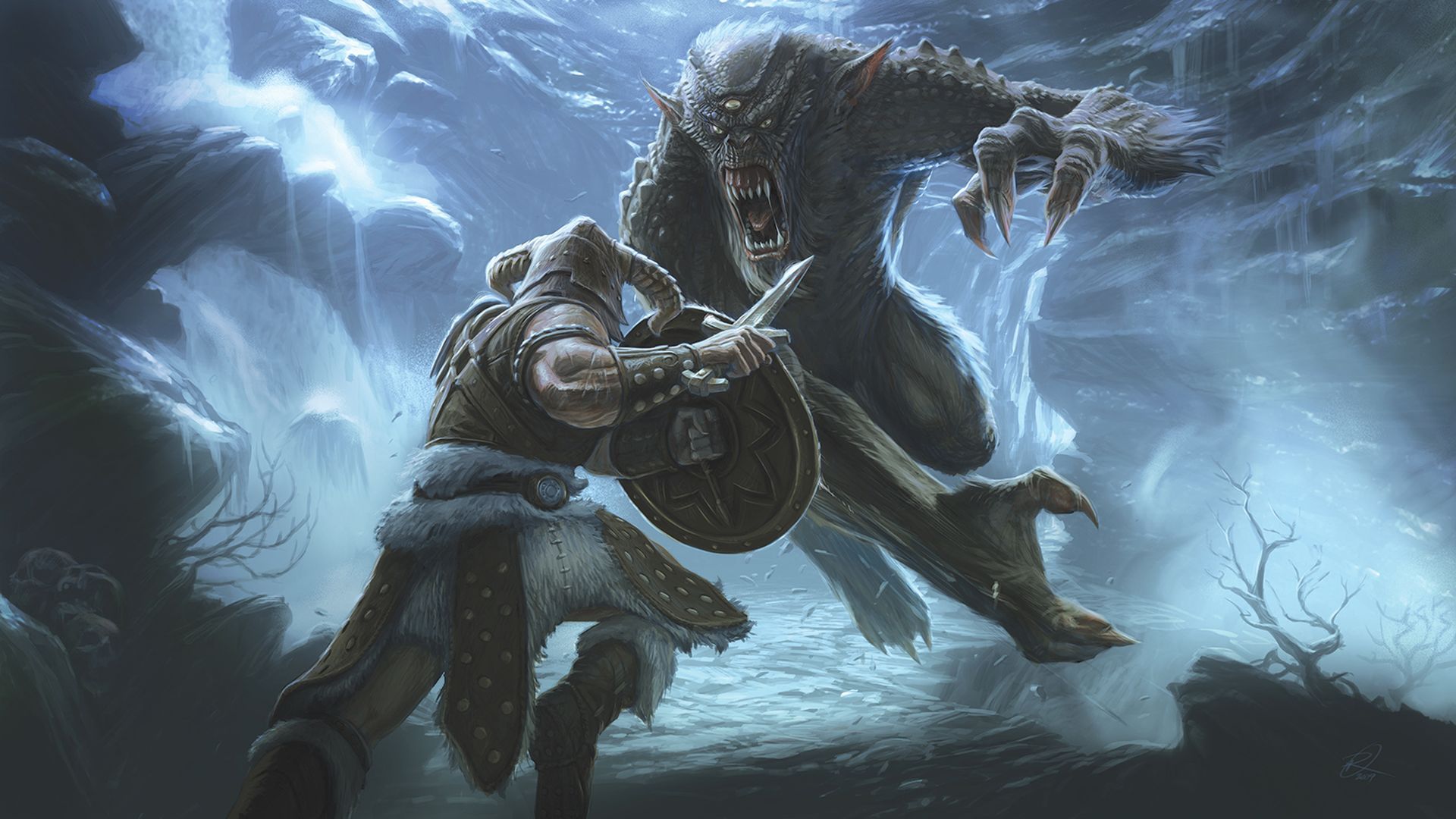
Reflecting on the intricate process of shaping the game’s geography, a Bethesda developer shared specific details about the monumental task of designing High Hrothgar and its surrounding environment. While noting that they were not responsible for the broad, overarching layout of Skyrim’s terrain, the developer explained that they were directly tasked with refining the visual shapes and architectural boundaries of the mountain sanctuary.
According to the developer, the design process involved examining the towering mountain from numerous viewpoints across the game world to ensure its silhouette remained striking and visually compelling from a distance. The responsibilities on the Throat of the World extended far beyond basic mountain sculpting; they also encompassed "cluttering and dressing the mountain with visual effects, plants, and objects." Naturally, this comprehensive environmental dressing included the infamous and storied 7,000 steps.
The developer admitted a strong personal desire to remain as faithful to the established game lore and realistic proportions as humanly possible, noting that they made a serious, concerted effort to find a viable way to fit all 7,000 physical steps into the winding mountain path. However, the realities of game development and map scale quickly made that ambition impossible.
The developer revealed that their most dedicated attempt to build a literal, continuous pathway featuring all 7,000 steps resulted in a road that extended far past the borders of Ivarstead, wrapping completely around the massive base of the mountain and ultimately stretching all the way into the frozen tundra near the city of Whiterun. The spatial reality of the game world quickly proved that 7,000 steps is an astronomical amount of geometric space to allocate to a single pathway in a condensed open-world environment.
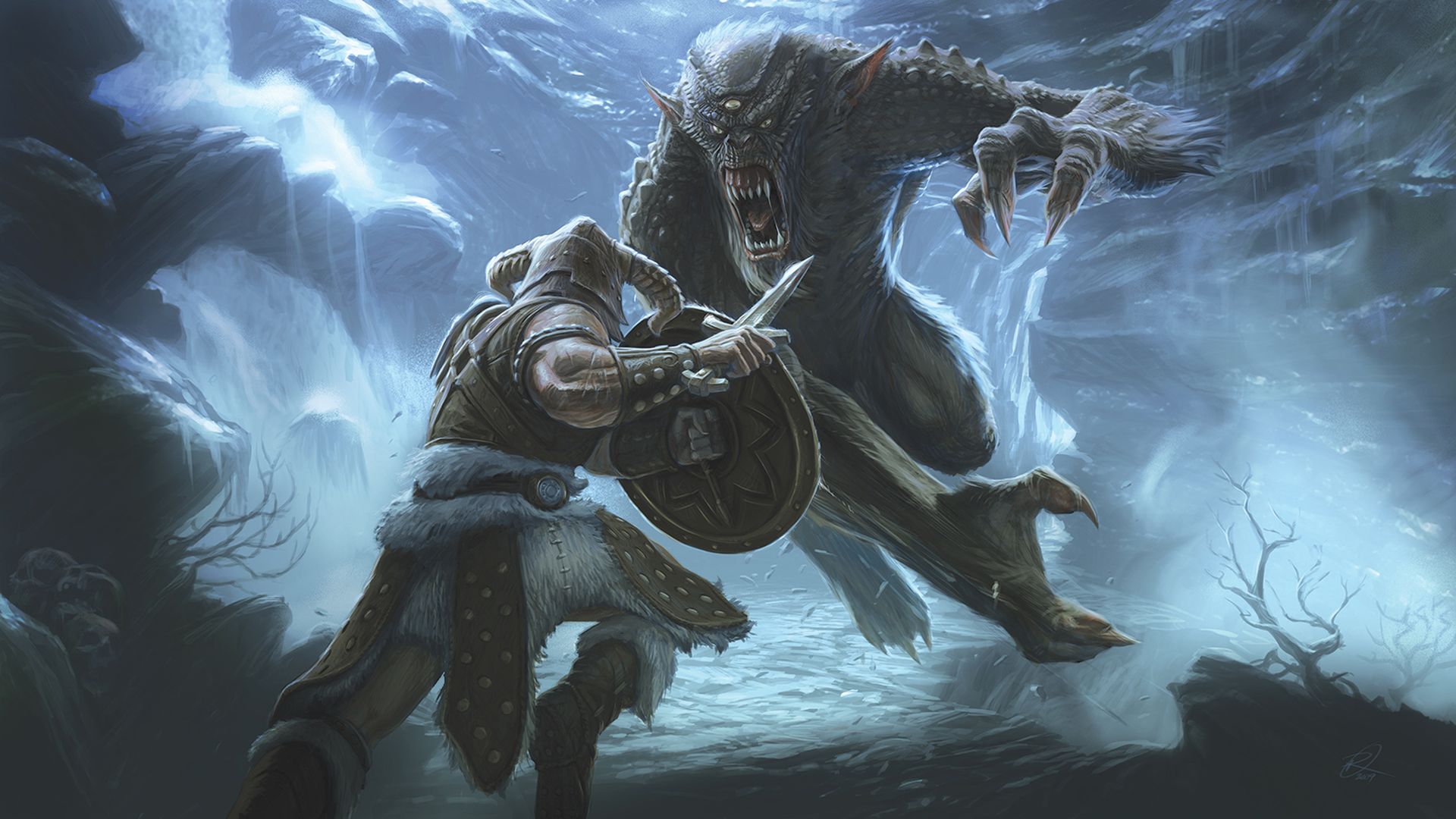
To add a humorous postscript to the architectural revelation, the developer also clarified a notorious point of frustration for millions of players who have braved the climb. They noted that their environmental design work strictly did not include the placement of enemy encounters or wildlife spawns, firmly absolving themselves of any responsibility for the notoriously aggressive Frost Troll that waits in the snow to ambush unsuspecting adventurers—a creature that has become the definitive woe of countless players making their first pilgrimage to see the Greybeards.
This massive scaling discrepancy is not unique to the mountain path, as it reflects the broader design philosophy behind almost every open-world role-playing game of its era. Skyrim, much like its predecessor Oblivion and its contemporaries, is not built to a strict one-to-one real-world scale. If the game’s geography were rendered at true-to-life proportions, major settlements like the capital city of Solitude would feature a realistic population rather than housing a mere handful of residents, and traveling across the province would take days or weeks of in-game time rather than a brief afternoon jog.
Instead, distances throughout the province of Skyrim are deliberately compressed for the sake of gameplay pacing and technical limitations, ensuring players can traverse the vast northern landscape without experiencing endless, uneventful stretches of empty wilderness. In much the same way that players are expected to assume that for every named non-player character visible in a village, there are dozens of ordinary citizens living off-camera, the path to High Hrothgar uses narrative suggestion to bridge the gap. For every individual stone step the Dragonborn visibly climbs during the trek, there are simply implied steps that exist within the narrative weight of the journey—alongside a few extra, unscripted frost trolls waiting just around the bend.

Comments (0)