


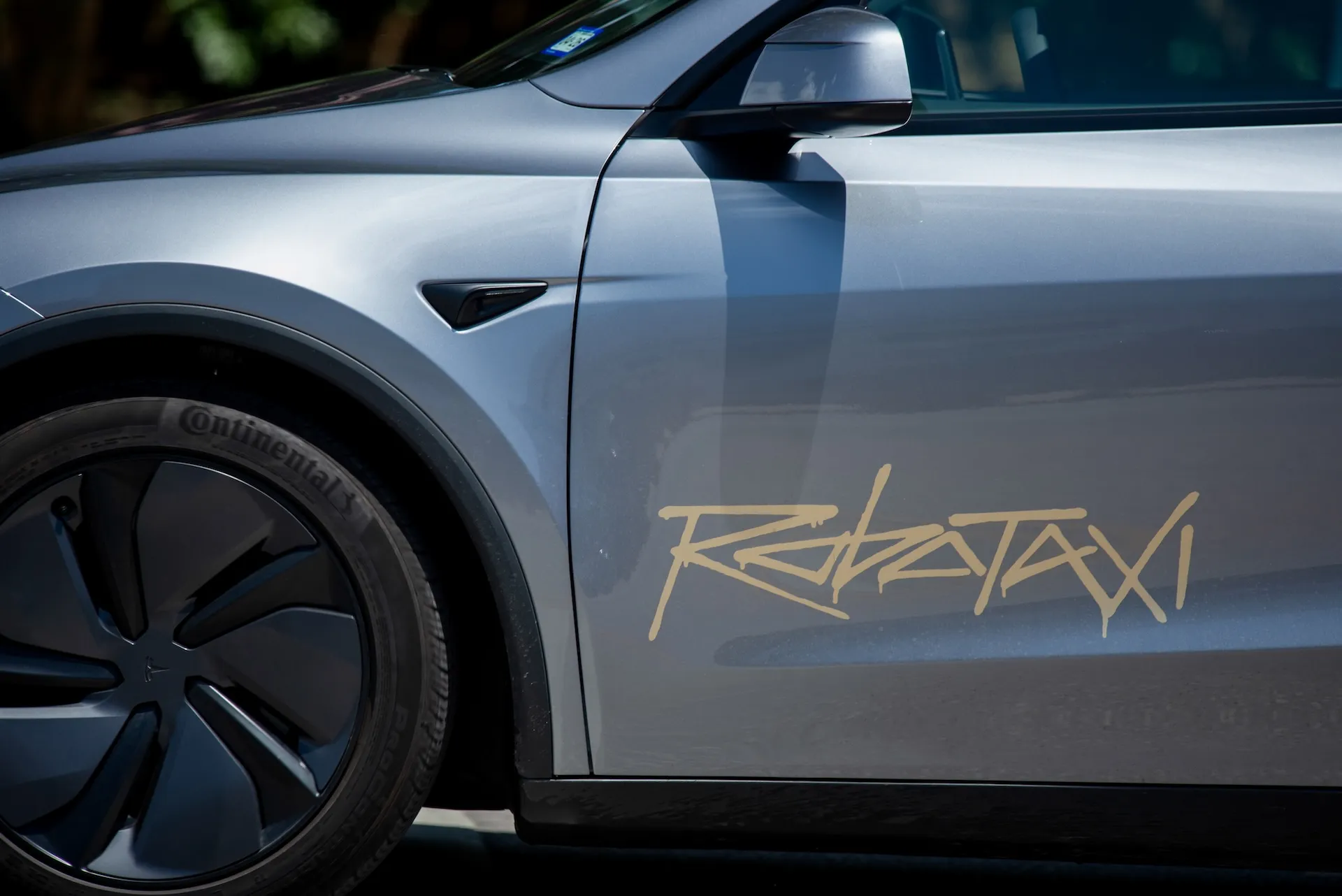
Tesla is continuing to aggressively scale its autonomous vehicle footprint, announcing the expansion of its robotaxi service to yet another major Texas city. As the electric vehicle manufacturer strives to reposition itself in the public eye as a broader artificial intelligence and robotics enterprise rather than a traditional automaker, the company revealed via a post on the social media platform X that its autonomous fleet will officially launch in San Antonio starting early Monday morning.
The rollout in San Antonio represents the latest strategic chess move for the company as it fights for market share in the fiercely competitive autonomous transportation sector. Currently, Tesla’s primary rival in the space is Waymo, the autonomous driving subsidiary of Alphabet. Waymo operates its own commercial robotaxi service utilizing a specialized fleet of driverless Jaguar I-Pace and Zeekr RT vehicles—commercially branded as Ojai—across several key metropolitan regions, including Austin, Dallas, Houston, and San Antonio.
Waymo’s presence in San Antonio comes with its own recent history. The Alphabet subsidiary recently restarted its commercial operations in the city following a mandatory five-month operational pause. That suspension was prompted by safety concerns after several Waymo vehicles encountered severe weather and became stranded after entering flooded roadways during heavy storms. Tesla’s entry into San Antonio will undoubtedly heighten competition in the region, offering local consumers an alternative ride-hailing choice powered by a radically different technological approach.
Despite the high-profile nature of the announcement, Tesla has kept operational specifics under wraps. The company refrained from providing additional details regarding the service, such as the exact daily hours of operation, whether customers will have access to its flashy, gold-colored, two-seater Cybercab or only its modified Model Y sport utility vehicles, or whether these initial rides will feature human safety monitors stationed behind the wheel.
However, if Tesla adheres to the operational playbook it established during previous metropolitan rollouts, the San Antonio launch will likely begin cautiously. Industry watchers expect the company to deploy a strictly limited number of vehicles within a carefully confined geographic service area, gradually expanding its operational parameters and fleet size as the software proves its reliability in local traffic conditions.
This deliberate, city-by-city expansion strategy follows years of shifting timelines and lofty public promises. For a full decade, Tesla CEO Elon Musk repeatedly assured investors and consumers that the company was on the verge of delivering fully autonomous vehicles. Those promises finally materialized in a tangible commercial product in June 2025, when Tesla launched its inaugural robotaxi service in Austin.
That initial Austin launch was a watershed moment for the company, albeit one accompanied by significant scrutiny and unanswered questions. While it marked a major corporate milestone, the service was heavily restricted and relied on human safety operators sitting in the front seat to oversee the vehicle’s computer systems. More importantly, the Austin rollout served as a high-stakes, real-world test of whether complex autonomous driving software could be safely deployed using exclusively camera arrays and end-to-end artificial intelligence, bypassing the expensive lidar and radar sensors favored by almost all major industry competitors.
Since that initial debut, Tesla has methodically pushed forward with geographic and technological expansion. A major psychological threshold was crossed in January, when the company officially removed human safety monitors from its robotaxis in Austin, transitioning the fleet into a true driverless commercial service. Over the subsequent eleven months, Tesla has steadily broadened its operational boundaries within the Austin city limits while pushing into new markets across both Texas and Florida. Today, Tesla operates varying scales of robotaxi service in limited zones across Miami and Orlando, as well as the Texas hubs of Dallas, Fort Worth, and Houston.
Yet, despite the headlines generated by these rapid expansions, data indicates that the scaling process has faced distinct hurdles. According to Texas vehicle registration data and independent monitoring provided by the Robotaxi Tracker website, the scale of Tesla’s fleets outside of its home base varies wildly. While Tesla maintains a robust presence with more than 400 autonomous vehicles registered in its home market of Austin, its fleets in other operational cities remain much smaller, ranging from a mere handful to a few dozen vehicles. For instance, public tracking data indicates that Tesla currently deploys only 24 vehicles in Fort Worth and a scant five vehicles in Miami.
Compounding these questions about fleet utilization and scaling momentum, financial and operational metrics released by the company earlier this year suggested that growth has not been entirely linear. Data published this summer revealed that Tesla’s robotaxi network actually accumulated fewer miles transporting paying customers during the second quarter of the year compared to the first quarter, highlighting the complex logistical and regulatory hurdles inherent in scaling an autonomous ride-hailing network.
Furthermore, Tesla’s regulatory landscape remains fragmented across different jurisdictions. In addition to its autonomous deployments, the company operates a conventional human-driven ride-hailing service under a specialized transportation charter permit in the San Francisco Bay Area. While these vehicles are frequently discussed in public discourse in the context of Tesla’s broader ride-hailing ambitions, they are fundamentally distinct from robotaxis; they are actively operated by a human driver behind the wheel. Currently, Tesla lacks the necessary regulatory permits required to legally operate a commercial, driverless ride-hailing service in the state of California, leaving Texas and Florida as the primary proving grounds for its autonomous technology.
As Tesla’s modified Model Y vehicles begin navigating the streets of San Antonio on Monday morning, the rollout will be closely monitored by transportation analysts, regulators, and competitors alike. Whether the company can rapidly scale its footprint in South Texas without running into the logistical bottlenecks that have slowed down deployment in other secondary markets remains to be seen.


Comments (0)