


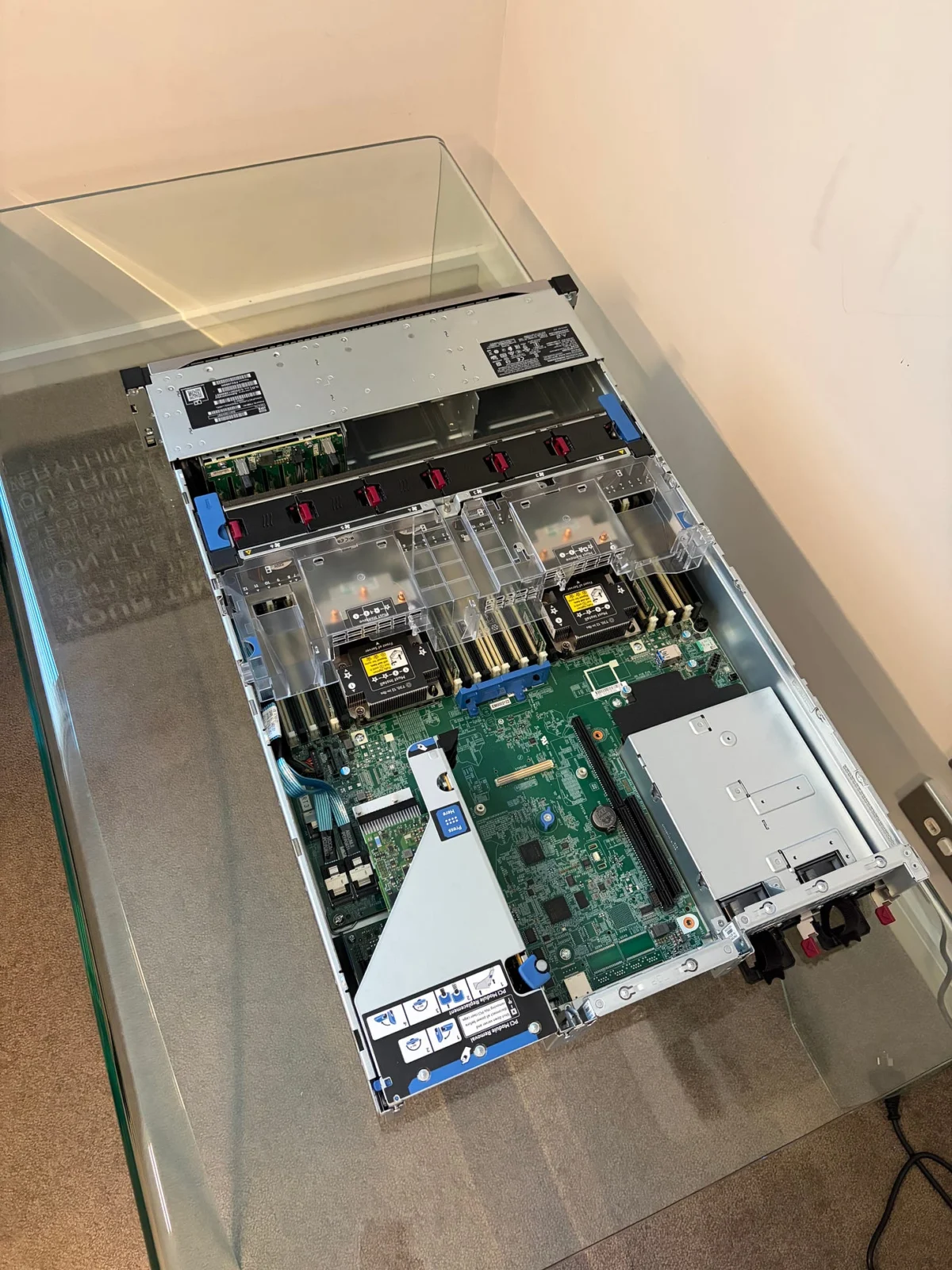
As the technological landscape hurtles toward a future dominated by artificial intelligence, large language models, and automated agent systems, a singular concept is rapidly emerging as the ultimate determinant of influence and capability: the art and science of harnessing compute. In the modern era, compute has fundamentally replaced traditional forms of power, acting as the invisible current that not only fuels advanced artificial intelligence through massive neural networks but also orchestrates their outputs via complex agentic sandboxes, databases, and microservices.
Yet, as awareness of this shift grows, a common misconception has taken root among technology enthusiasts and casual observers alike. The immediate conclusion drawn by many is that staying ahead requires a frantic rush to acquire hardware—purchasing the latest chips, servers, and processing units simply to possess them. According to industry observers, however, this approach represents only half of the truth. Compute is not merely a form of brute-force physical power comparable to manual labor or physical violence; it is deeply intellectual. This fundamental distinction means that how efficiently and effectively an individual utilizes compute is just as critical as the sheer volume of processing hardware at their disposal.
A prime illustration of this disconnect can be seen in everyday consumer behavior within the tech community. For instance, individuals who purchase high-end machines like Mac Minis specifically to run lightweight applications such as OpenClaw often display a profound lack of compute literacy. These users frequently fail to understand their actual processing constraints, investing heavily in expensive hardware that does not tangibly enhance their functional compute capabilities. Applications like OpenClaw are remarkably light on resource consumption and can run seamlessly on affordable, rented virtual servers costing mere dollars a month. Spending upwards of a thousand dollars on a brand-new desktop machine solely for such a lightweight task is, from a resource-allocation perspective, a clear waste of capital.

Conversely, a more sophisticated approach reveals the true nuance of hardware utilization. A developer who deliberately pushes the limits of an application like OpenClaw on a standard local laptop might eventually reach a genuine hardware bottleneck, at which point acquiring a machine like a Mac Mini becomes a logical, performance-driven upgrade. But the journey does not stop at the hardware purchase. To truly extract value from that investment, the same advanced user might construct specialized, autonomous agents designed to execute specific, resource-heavy background tasks locally. Taking the architecture a step further, they might implement a tiered intelligence system, intelligently delegating routine or localized large language model calls to an open-source model running directly on their local Mac, while routing heavier, more complex tasks to cloud-based giants like OpenAI or Anthropic.
Despite these advanced possibilities, the average user running standard applications remains largely compute-illiterate, unable to orchestrate hardware and software in a way that maximizes efficiency. This creates a fascinating dichotomy across the broader technology sector. On one side of the spectrum sit startup engineers and modern development teams who design impeccably architected systems, yet remain entirely dependent on major cloud providers. Their hesitation is rooted in the common industry sentiment that running physical hardware independently is unnecessarily difficult. While this group excels at utilizing compute resources at scale, they remain fundamentally compute-poor. Because they own zero means of production in the form of physical hardware, they are forced to pay perpetual rent to their corporate cloud overlords, locking them into a cycle of dependency.
This dynamic underscores a vital realization about the modern technological economy: truly harnessing compute is a specialized skill that requires the careful synthesis of both capital and labor. Possessing only one of these elements without the other results in a severe limitation of operational capability. Relying exclusively on rented cloud infrastructure without understanding hardware ownership leaves creators vulnerable to rising costs and external platform controls, just as blindly buying expensive hardware without the software engineering acumen to utilize it leads to wasted resources.
As these trends accelerate, analysts and industry commentators suggest that the traditional stratification of society is shifting. The new elite class of the coming decade will not necessarily be defined by traditional financial capital or legacy real estate, but rather by their mastery within the techno-compute class—those who possess both the hardware ownership and the intellectual capability to command the full spectrum of modern artificial intelligence and processing power.


Comments (0)