


Every established brand possesses a vault of intellectual property—stories, characters, distinctive products, memorable campaigns, and iconic symbols. Traditionally, these elements have been treated as static assets confined to physical packaging, seasonal marketing campaigns, or brick-and-mortar retail environments. However, a growing shift in the global marketplace indicates that these creative elements are far more than temporary promotional tools; they represent long-term cultural currency. The most forward-looking brands across industries are no longer merely protecting their intellectual property—they are actively bringing it to life in digital forms.
This strategic evolution does not involve launching speculative, short-lived digital token collections or chasing fleeting internet trends. Instead, it centers on an intentional extension of what already exists: a brand’s most recognizable and cherished elements translated into digital products designed to deepen consumer loyalty, open entirely new channels of engagement, and offer a sense of ownership to the most invested audiences. Industry projections underscore this steady transition. The global digital collectibles market is projected to expand significantly, growing from an estimated $11.25 billion in 2025 to over $48.6 billion by 2033, reflecting a robust annual growth rate of 20.1%. These figures suggest that digital collectibles are far from a passing novelty; rather, they signal a fundamental, long-term evolution in how modern consumers interact with brands and participate in cultural moments.
What Digital Collectibles Really Represent for Enterprises
For major enterprises and heritage brands, digital collectibles function as much more than simple digital imagery or speculative financial assets. Non-fungible tokens, or NFTs, are increasingly understood as IP-powered digital products capable of unlocking meaningful community engagement, rewarding brand loyalty, and introducing new layers of storytelling. Far from existing in a vacuum, these assets are frequently integrated into broader cultural crossovers, bridging the gap between physical retail and digital participation.
A prominent example of this convergence can be seen in recent high-profile collaborations, such as the partnership between the Doodles digital community and McDonald’s. This collaboration brought physical and digital worlds together through the release of over 100 million limited-edition McCafé holiday cups across participating restaurants throughout the United States. Such initiatives demonstrate that major consumer brands see undeniable value in transforming their recognized intellectual property into interactive digital experiences that resonate with contemporary audiences without alienating traditional customer bases.
Integrating Intellectual Property Into Digital Ecosystems
Transitioning established intellectual property into the digital realm does not require a brand to reinvent its core identity or overhaul its foundational values. Successful deployment relies instead on a clear, structured strategy. Enterprises typically begin with a comprehensive audit of their existing intellectual property portfolio. By examining long-held assets—ranging from legacy logos and campaign mascots to classic product designs and slogans—brands identify which elements carry genuine emotional and cultural resonance with their fan bases.
Once these key assets are identified, organizations define the precise purpose these digital items will serve. Whether the goal is to reward deeply loyal customers, provide exclusive access to live events and unreleased content, spark organic conversation around a major product launch, or capture an entirely new demographic, clarity of intent remains paramount. Following this definition, brands determine the appropriate format for their digital offerings. These assets can range from simple visual illustrations and short animations to complex, interactive files that tie directly into real-world utility and physical rewards.

Building a secure, brand-safe space to host and distribute these digital assets is the next critical phase. Organizations frequently partner with specialized infrastructure providers, such as Rarible, to establish custom digital marketplaces governed by the brand’s unique design aesthetic, compliance rules, and dedicated smart contracts. This infrastructure ensures that entering the digital space feels like a seamless extension of the enterprise rather than a departure from its core mission. Finally, brands activate these initiatives through intentional, limited-edition drops that link digital acquisitions to tangible benefits, utilizing them as creative hooks within overarching marketing strategies.
Digital IP in Action: Case Studies From Industry Leaders
Major intellectual property holders across diverse sectors have already demonstrated the viability and success of this approach by deploying custom digital marketplaces powered by specialized infrastructure.
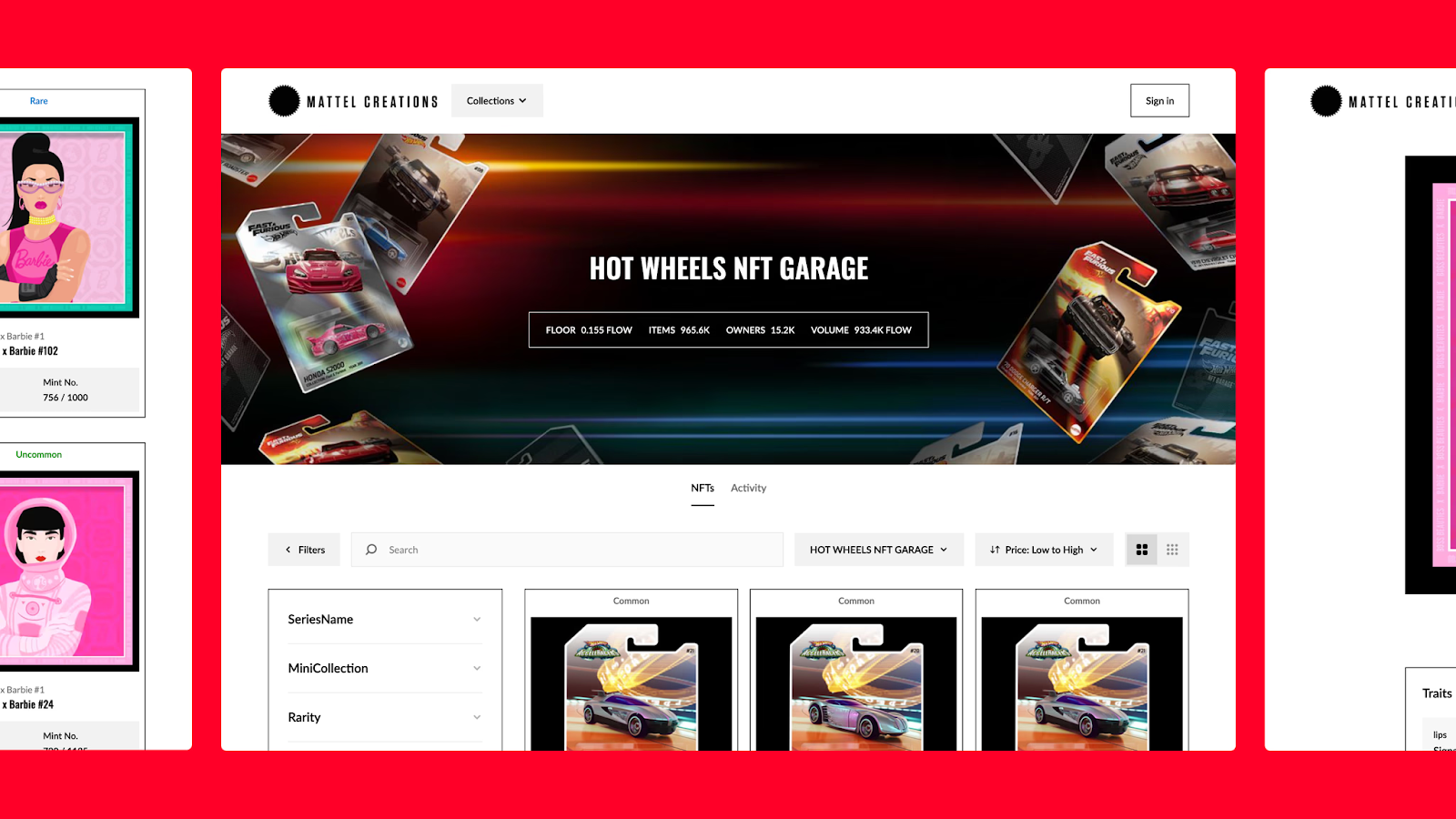
When toy and entertainment giant Mattel decided to establish a permanent presence in the digital collectible space, the company partnered with Rarible to build a dedicated virtual marketplace. Developed on the Flow blockchain, Mattel’s digital storefront was designed to prioritize user accessibility, incorporating seamless onboarding procedures and fiat payment options. This technical foundation allowed fans to focus entirely on collecting and engaging with their favorite legacy brands without encountering technical friction.
Similarly, renowned collectible manufacturer McFarlane Toys utilized the RaribleX infrastructure to launch a custom digital marketplace built on the Polygon blockchain. By bringing its extensive portfolio of iconic characters and toy lines on-chain, McFarlane Toys successfully introduced its intellectual property to a digitally native audience while simultaneously offering its established collector base an innovative way to interact with the brand. Other major cultural institutions, such as the National Football League, have similarly embraced gamified digital drops to maximize the enduring appeal of their online intellectual property.
Providing Secure and Flexible Infrastructure
Bringing enterprise intellectual property on-chain requires a delicate balance between technological innovation and brand preservation. Companies must ensure that digital initiatives enhance their reputation rather than introduce unnecessary risk. Specialized providers step into this space by offering the technical framework necessary to launch digital collectible experiences entirely on a brand’s own terms. This infrastructure enables organizations to maintain complete control over their smart contracts, user interface design, and community rules.
As consumer expectations continue to evolve alongside digital technologies, the imperative for brands to modernize their cultural assets becomes increasingly clear. Enterprises have spent decades building recognition and creating intellectual property that holds authentic cultural value. Today, the tools exist to extend that value safely, creatively, and permanently into the digital ecosystem, offering audiences new avenues to connect, collect, and participate in the ongoing story of the brands they support.




Comments (0)