


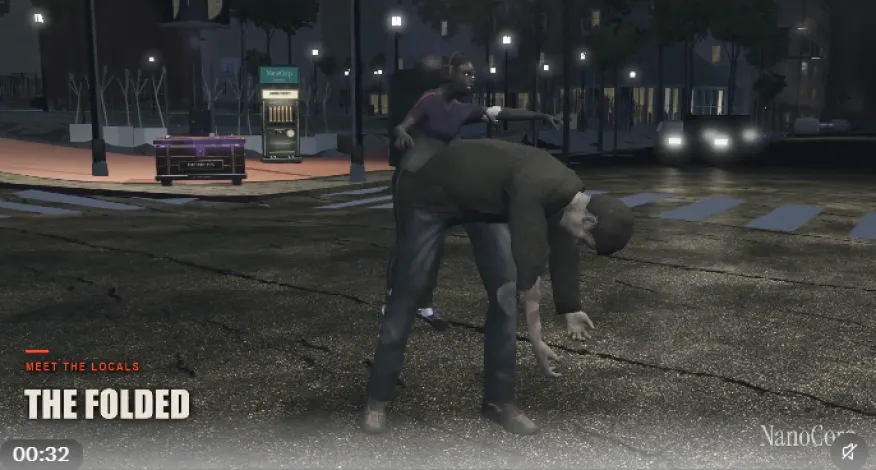
Pierre-Louis Biojout, the founder of the Y Combinator-backed artificial intelligence startup NanoCorp, has found himself at the center of a severe public backlash from San Francisco residents, local leaders, and fellow tech figures this week. The controversy erupted after Biojout published a weekend "vibe coding" project: a web-based, first-person shooter video game set directly in San Francisco’s Tenderloin district, a neighborhood long known for its struggles with homelessness, poverty, and open-air drug use.
The project, titled Tenderloin Night Shift, quickly drew intense scrutiny across social media platforms following an October 13 promotional post by Biojout on X, formerly known as Twitter. In the now-deleted post, Biojout boasted about the game’s premise, stating, "San Francisco couldn’t fix the Tenderloin. So I monetized it [as a] Call of Duty style zombie shooter on the real SF streets." In the same post, he proudly noted that he had already generated $300 in revenue from in-game advertisements featured within the virtual environment.
According to detailed reports from regional outlets including the San Francisco Chronicle and KRON4 News, Tenderloin Night Shift featured gameplay that involved shooting virtual "zombies" modeled after real-world elements of the neighborhood. Among the targets and character models identified in reports were a visibly impaired fentanyl addict—depicted in a slumped or "folded" posture characteristic of severe substance use—alongside a Black security guard.
The game’s release prompted swift and severe condemnation from community advocates and city leaders who argued that the project crossed a dangerous ethical line by turning human suffering and a marginalized community into digital entertainment.
Jennifer Friedenbach, executive director of the San Francisco Coalition on Homelessness, offered a blistering critique of the project in an interview with the San Francisco Chronicle. Friedenbach stated that Biojout was actively "monetizing the dehumanization and pretend killing for fun of mostly Black and Brown residents of the poorest neighborhood in San Francisco."
As public outrage escalated online, Biojout defended the project in correspondence with local journalists, claiming that his intentions had been widely misinterpreted. He maintained that he had not intended to "provoke or to depict shooting real people" and pointed out that the game’s roster of characters also included tech workers, arguing that the virtual environment was meant to encompass various archetypes found within the broader urban landscape of the city.
Despite these explanations, Tenderloin Night Shift was ultimately removed from NanoCorp’s official website, and Biojout deleted his original promotional post on X. Even so, the digital discourse and fierce debate triggered by the game’s brief release have continued to reverberate across the tech community and beyond.
The project ignited a broader conversation about the ethics of artificial intelligence-assisted coding projects, often referred to as "vibe coding," and the disconnect sometimes exhibited by members of the tech sector toward the vulnerable populations living just outside their corporate headquarters and residential high-rises.
In one prominent exchange on X, another tech industry founder challenged Biojout directly over the premise of the game. "You made a game about shooting people in active addiction," the fellow founder wrote. "These are human beings, not zombies. show me the positive side of this – i’m probably blind."
Biojout pushed back against the criticism, replying, "Why are you talking about addiction? It’s a zombie shooter."
At the same time, the game’s release exposed a darker undercurrent of online commentary, with some social media users expressing explicit approval for the themes and messaging that Biojout had publicly sought to downplay. "They are currently NOT human beings," one user wrote in defense of the game’s premise. Another commenter remarked that they would "train in bro’s game" to prepare themselves ahead of an upcoming visit to San Francisco.
While the game is no longer accessible on NanoCorp’s site and the original social media announcements have been scrubbed by their creator, the fallout from Tenderloin Night Shift highlights ongoing tensions surrounding gentrification, urban crisis, and the boundaries of creative expression within the technology industry.





Comments (0)