


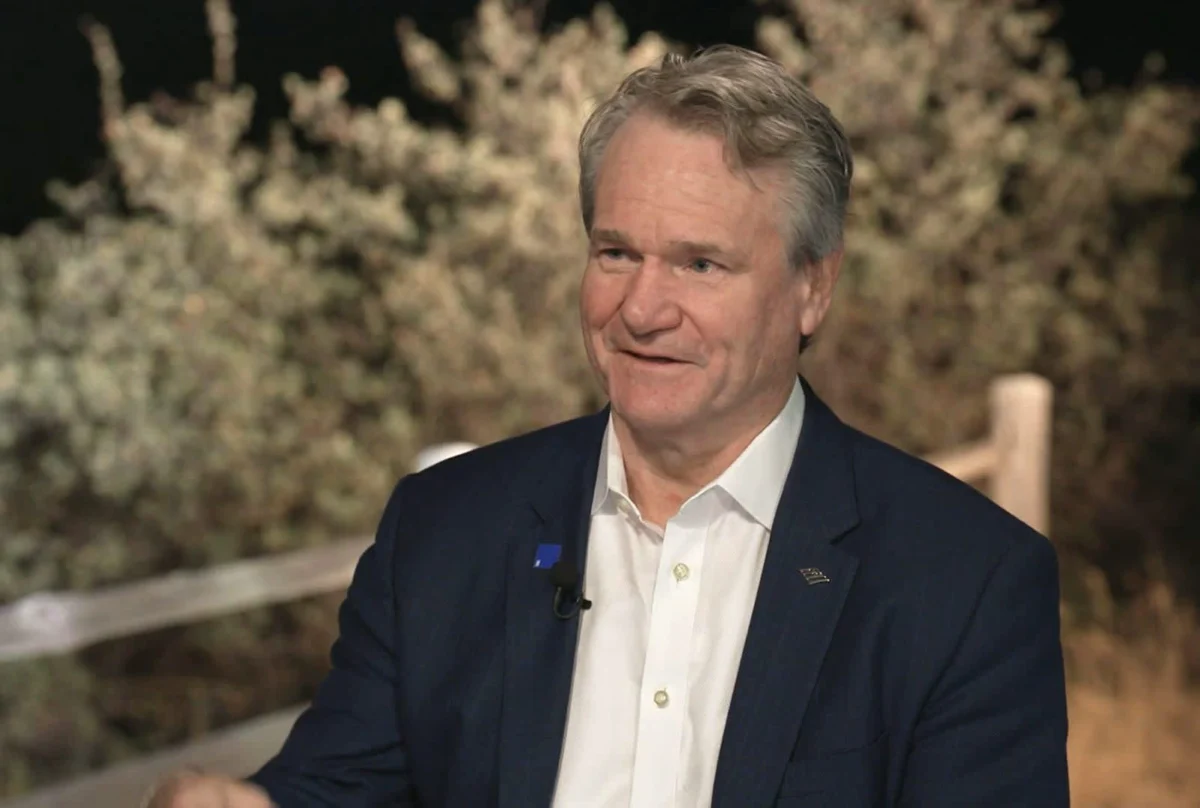
Bank of America has mobilized an extensive external workforce to help safeguard its digital infrastructure against advanced artificial intelligence models capable of exposing deep-seated software vulnerabilities, according to Chief Executive Officer Brian Moynihan. Speaking to CNBC on Wednesday following the release of the bank’s third-quarter earnings report, Moynihan detailed the unprecedented defensive measures the institution undertook earlier this year to secure its vast network of internal and vendor-supplied code.
The bank’s aggressive remediation push was triggered by the arrival of sophisticated frontier-type AI models, most notably Anthropic’s Mythos, which was released to a restricted cohort of major financial institutions, technology companies, and government agencies in April. The advanced model’s powerful capability to autonomously uncover and exploit decades-old, legacy software flaws created an urgent security imperative for major corporations, catching global financial institutions off guard and forcing them into a rapid and expensive defensive scramble.
"That risk is real risk, and that’s why when the frontier-type models came out, a lot of us sat down and said, ‘How do we figure out how to get through this quickly?’" Moynihan told CNBC’s Leslie Picker during the post-earnings interview.
To address the immediate threat, Bank of America rapidly scaled its cybersecurity and engineering operations. The institution onboarded 1,000 external contractors during the second quarter alone specifically to assist with the massive undertaking of code patching. According to the bank’s leadership, those external personnel remain stationed at the firm, working alongside a dedicated internal contingent of approximately 3,000 employees who focus continuously on software integrity and vulnerability management.
The financial toll of these security efforts has been substantial. Moynihan disclosed to analysts earlier on Wednesday that the bank expended a "couple hundred million plus" during the third quarter alone. This heavy capital outlay was driven by the comprehensive software remediation process running parallel to ongoing regulatory compliance expenditures, specifically addressing anti-money laundering frameworks.

These revelations mark some of the first public acknowledgments by a major U.S. corporation detailing the exact manpower and capital required to insulate enterprise systems from the unique security risks posed by advanced models like Mythos. The situation underscores the complex, dual-edged reality of artificial intelligence in the modern corporate landscape. While firms increasingly turn to generative AI and machine learning to slash operational expenses and boost productivity, the very same technological advancements grant malicious actors—and autonomous systems—unprecedented analytical capabilities to scan and break down aging IT architectures.
"We’ve got to stay ahead of them, and we’ve got to be mindful that the people doing the software development are the people trying to sell us the services," Moynihan noted, reflecting on the delicate ecosystem of tech vendors and institutional cybersecurity.
The discussion around the soaring costs of AI defense unfolded on a challenging day for the financial institution on Wall Street. Bank of America shares slumped by as much as 8% on Wednesday amid broader market movements and investor scrutiny over the rising expenditures. However, Moynihan sought to reassure shareholders and analysts that the heavy spending spike concentrated in software remediation is a temporary phase rather than a permanent structural elevation of costs.
"Once you patch, you don’t have to patch as much. The pipeline moves through," Moynihan said, expressing confidence that the heavy remediation expenses will normalize and decline over time as the vulnerable legacy code is systematically secured against frontier AI threats.
Even as the bank absorbs these short-term defensive expenses, Moynihan emphasized that artificial intelligence continues to serve as a powerful engine for long-term cost reduction elsewhere within the organization. Bank of America is currently advancing approximately 130 internal artificial intelligence projects aimed at streamlining workflows, automating routine tasks, and enhancing overall enterprise efficiency. Financial returns from these internal initiatives are projected to scale rapidly, with anticipated savings climbing from $300 million this year to an estimated $700 million by 2027.
At the same time, the broader evolution of the bank’s workforce is reflecting both technological adoption and organizational restructuring. Bank of America’s total headcount contracted by approximately 3,400 employees over the past year, driven in part by a targeted reduction of roughly 5% among managerial roles. While leadership continues to refine its operational structure, the exact proportion of workforce reductions directly attributable to the deployment of internal AI tools remains subject to ongoing strategic evolution.



Comments (0)