


The major financial institution reported that its profit climbed 6.5% to $4.91 billion, translating to $3.03 a share for the quarter. At the same time, total revenue rose 12% to reach $20.34 billion, reflecting robust activity in key divisions that managed to offset softer performances elsewhere in the firm’s diverse portfolio of businesses.
The crowning achievement of the quarter came from the firm’s equities trading division, which has long stood as a marquee business for Morgan Stanley. The division posted a remarkable 41% increase in revenue, soaring to $5.8 billion. This impressive figure exceeded the StreetAccount consensus estimate by approximately $909 million, significantly bolstering the bank’s bottom line and catching the attention of analysts across the financial sector.
Bank executives noted that the stellar performance in equities was characterized by widespread strength across various products and geographic regions. Notably, Asia emerged as a source of particular strength during the quarter, driving substantial volume and profitability. The outsized gains in the equities trading business proved crucial, providing a reliable cushion that helped offset disappointments and slower recoveries in other operating units.
In contrast, the firm’s fixed income trading revenue experienced a downturn, falling 7% to $2.01 billion. This decline was primarily driven by softness in credit and commodities trading, landing roughly $260 million below what market analysts had anticipated heading into the earnings announcement.
Meanwhile, investment banking revenue edged slightly higher, rising 2% to $2.16 billion. However, this figure still fell short of expectations by about $110 million. Within investment banking, the bank cited an increase in advisory revenue driven by a higher volume of completed mergers and acquisitions. This positive momentum, however, was partially tempered by declines in equity underwriting, which suffered from a lower volume of initial public offerings, alongside a noticeable drop in fixed income underwriting activity.

Despite the headline-grabbing beat driven by equities trading, the overall reception from Wall Street analysts was nuanced. The results were described as good, but not great, as certain underlying business metrics showed slower improvement during the quarter, Wells Fargo analyst Mike Mayo noted in a report published Wednesday. Reflecting this cautious assessment and broader market anxieties, Morgan Stanley shares declined about 3% on Wednesday.
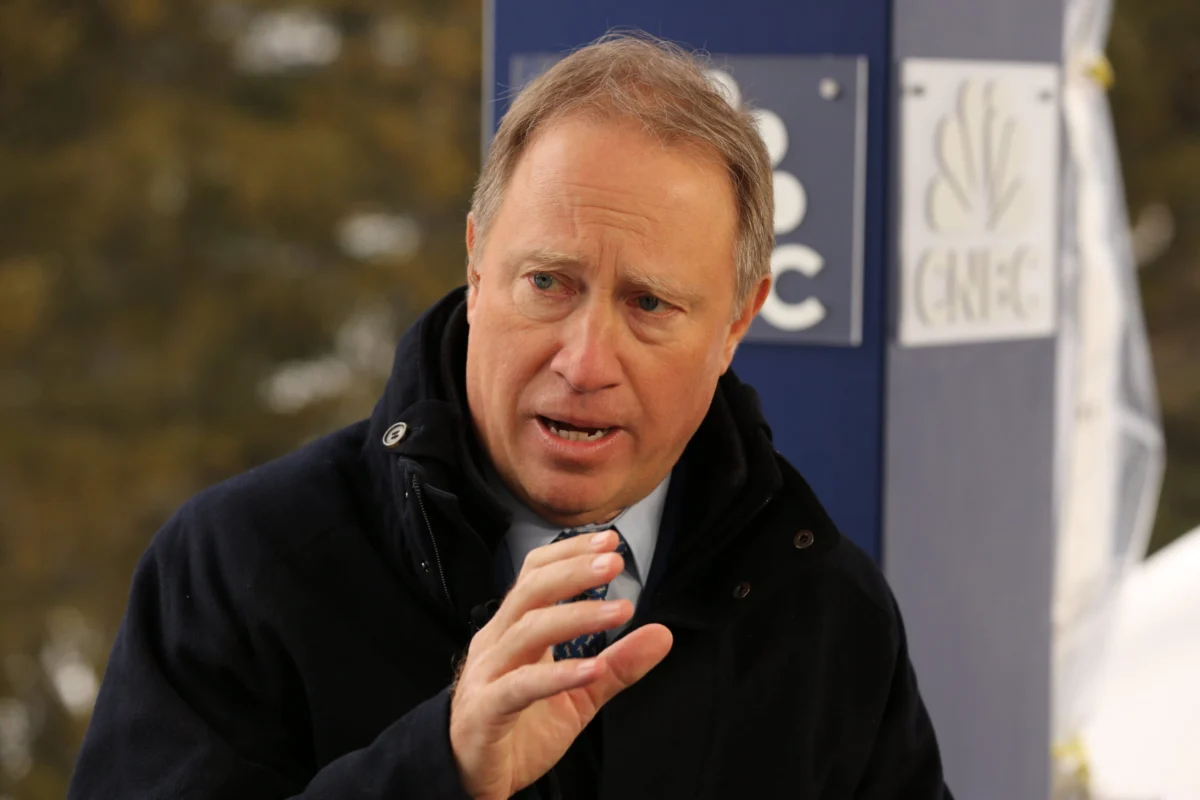
Speaking about the broader macroeconomic landscape, Morgan Stanley CEO Ted Pick offered a candid assessment of the dual forces currently shaping the global economy. In an interview with CNBC’s Leslie Picker on Wednesday, Pick explained that the economy is essentially subject to two primary and competing forces: the substantial financial boost generated by the artificial intelligence build-out, and the persistent drag stemming from geopolitical strife and global conflicts.
Starting in early September, heightened concerns regarding overseas conflicts, stubborn inflation, and surging Treasury yields combined to slow activity across Wall Street, Pick noted during the discussion. Financial markets have had to constantly recalibrate their expectations as these competing macroeconomic and geopolitical currents collide.
The interaction of the artificial intelligence phenomenon and geopolitics has been the dominant reality the whole year, Pick told CNBC. It is really two very different stories playing out simultaneously, and he expressed a desire that the financial markets will ultimately be able to lean into the positive narrative if global leaders and markets can achieve some measure of control over mounting geopolitical tensions.
Despite these persistent uncertainties and the mixed underlying metrics observed during the quarter, Pick struck an optimistic note regarding the near-term future. The Morgan Stanley chief executive emphasized that he remains cautiously optimistic about the trajectory of the markets as the firm enters the fourth quarter of the year.





Comments (0)