


Conventional economic metrics have long faced scrutiny for failing to capture the full scope of human progress, but a recent viral study has pushed the debate into uncharted territory. In an era where data-driven analysis frequently shapes public perception, a new claim regarding American living standards has sparked a fierce backlash from the nation’s leading economists.
The controversy centers on a thesis put forward by asset manager Michael W. Green, whose recent research concluded that American families earning less than $140,000 a year are effectively living in poverty. The notion quickly went viral, prompting widespread disbelief and online commentary about how modern households could possibly survive on a meager six-digit income. By Green’s analytical logic, an astonishing two-thirds of all American households would qualify for food assistance programs.

The comparison to historical exposés was swift. In 1906, author Upton Sinclair went undercover in the meatpacking plants of Chicago to expose the grueling, hazardous, and deeply impoverished realities of industrial capitalism in The Jungle. While Sinclair immersed himself in the overcrowded squalor and dehumanizing conditions of the working class, critics note that Green appears to have spent little time engaging with the actual families whose economic standing he is attempting to define. Had he done so, economists suggest, he might have recognized that his spreadsheets were steering him far away from economic reality.
A coalition of prominent economists has forcefully dismantled Green’s thesis, pointing to fundamental flaws in his methodology, data interpretation, and underlying economic concepts. Scott Winship categorized the research as some of the worst poverty analysis he has ever encountered. Similarly, Tyler Cowen concluded that the study was fundamentally misguided in its foundational concepts, specific details, and use of evidence. Jeremy Horpedahl dismissed the notion of a $140,000 poverty line as ridiculous, while Noah Smith asserted that Green completely mishandled his own numbers, labeling the overarching conclusions as exceptionally silly.
While Green has attempted to defend aspects of his analysis against these mounting critiques, mainstream economic observers note that everyday intuition alone is enough to reveal the absurdity of the claim. It stretches credibility to suggest that a family earning $139,000 annually is facing hunger or destitution.
To build his case, Green leans on more nuanced frameworks, such as MIT’s "cost of thriving" index. This index attempts to measure living standards by estimating how many weeks of a median male worker’s earnings were required to afford a stable life in 1985 compared to today, suggesting the figure has jumped from 30 weeks to 63 weeks. Yet observers of economic history argue that comparing raw labor time across decades fails to account for the staggering leap in the quality, durability, and safety of modern goods.
Anyone alive in the mid-1980s can observe that daily life is materially superior today by almost every economic metric. While pop culture, fashion, and the absence of constant connectivity might inspire nostalgia for decades past, virtually every consumer product—from automobiles and home appliances to power tools, electronics, and entertainment—is safer, more efficient, and significantly cheaper when adjusted for quality improvements.
Housing represents another area where surface-level price increases often mask underlying shifts in living standards. As Cowen observed, while housing costs have undoubtedly risen, the average American today enjoys more living space and cohabitates with fewer people than at any point in history.
Healthcare tells a similarly complex story that resists simplistic cost-of-living metrics. Rather than viewing the sector through a lens of pure inflation, economists argue that the cost of purchasing an additional expected year of life has actually trended downward. The medical interventions available today are vastly more advanced than those of previous decades, meaning consumers receive exponentially more value for their expenditures. Most people would readily choose contemporary healthcare at current prices over the medical care of earlier eras.
This disconnect between official statistics and the actual utility of money highlights a well-documented blind spot in economic measurement. Traditional metrics frequently fail to capture how technological innovation enhances the value of what a dollar can buy.
Economist William Nordhaus famously demonstrated this oversight by studying the historical cost of lighting. By tracking the price of lumens across candles, kerosene lamps, and electric lightbulbs, Nordhaus illustrated how traditional calculations of economic growth completely missed massive improvements in living standards. In the year 1800, generating enough light to illuminate a room for three hours required roughly three hours of labor. Today, the same amount of light requires only a fraction of a second of work—representing a roughly 43,000-fold improvement that standard gross domestic product statistics largely overlooked.
Failing to account for these qualitative leaps leads to paradoxical conclusions about the cost of living. Just as an individual forced to rely strictly on 19th-century lighting technology would find themselves impoverished by the sheer expense of basic illumination, analyzing modern households by looking only at nominal spending without factoring in the superior quality of goods creates a distorted picture of well-being. Cowen notes that prices are often high precisely because demand is robust, a condition made possible only because a vastly larger share of the population can afford to participate in the market.
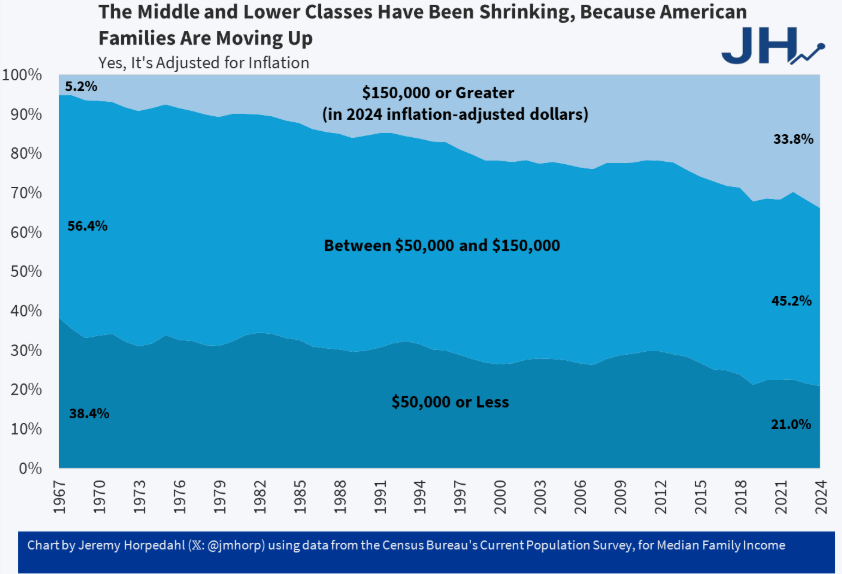
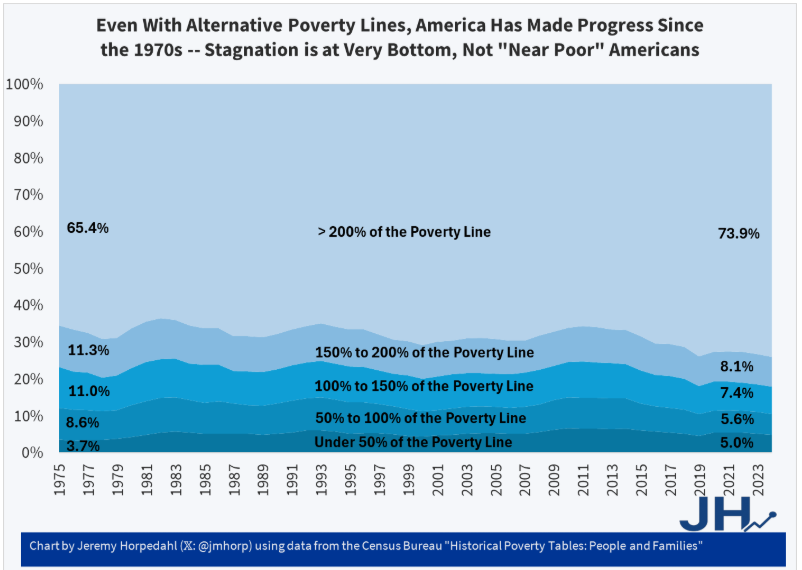
Broader economic indicators further challenge the narrative of declining American prosperity. Historical charts show that the composition of the US middle class has shifted upward rather than downward. In 1967, only 5.2 percent of American families earned more than $150,000 in inflation-adjusted dollars, compared to nearly 34 percent today. Furthermore, the percentage of Americans earning incomes greater than 200 percent of the federal poverty line has risen steadily over the decades.
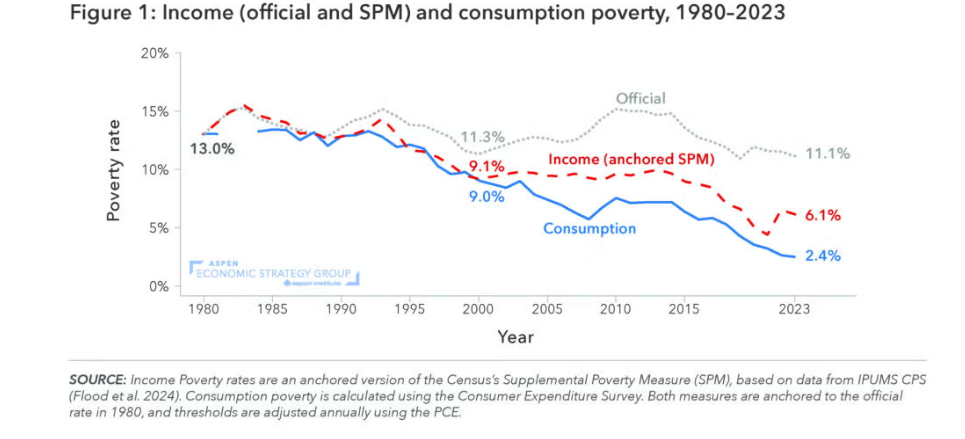
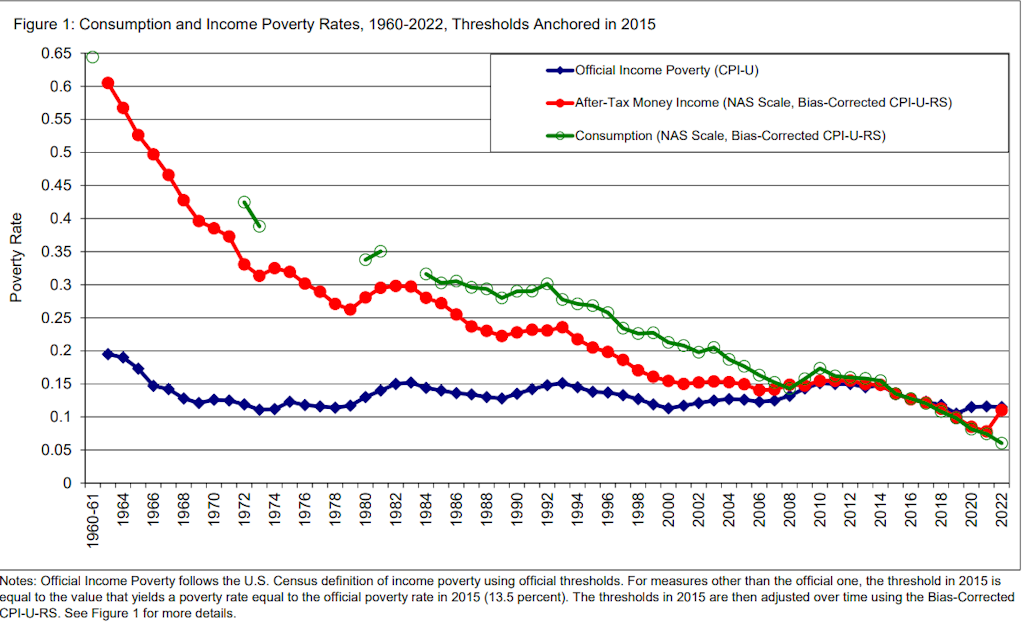
Alternative measures of economic well-being reinforce these positive trends. Research from the Economic Strategy Group indicates that poverty has declined by roughly half when measured by traditional income metrics, and by more than 80 percent when evaluated through consumption-based models. Academic studies tracking consumption poverty and after-tax resources demonstrate that standard Consumer Price Index measures consistently fail to capture decades of material improvement for lower- and middle-income families.
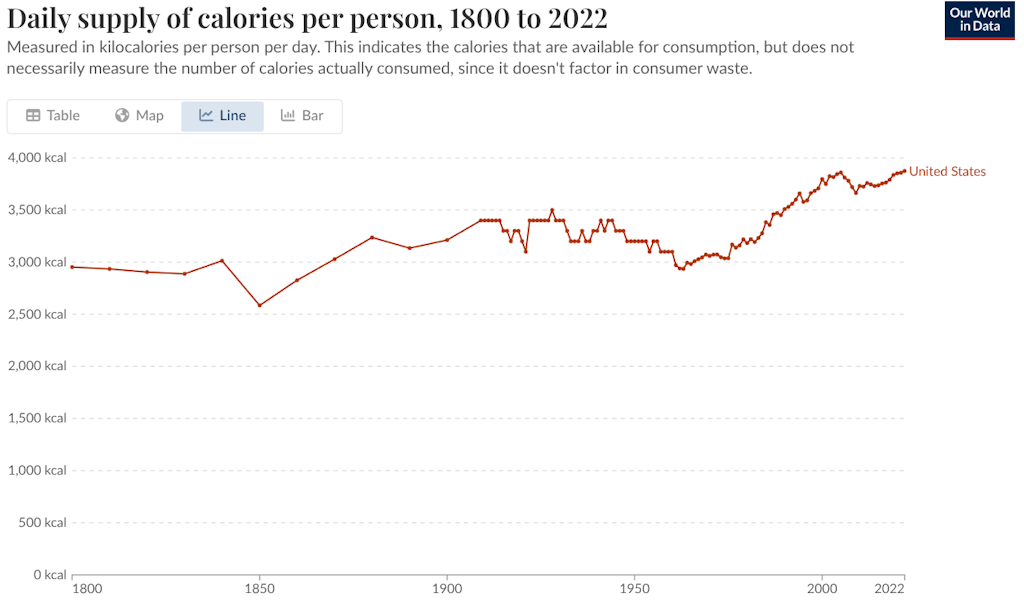
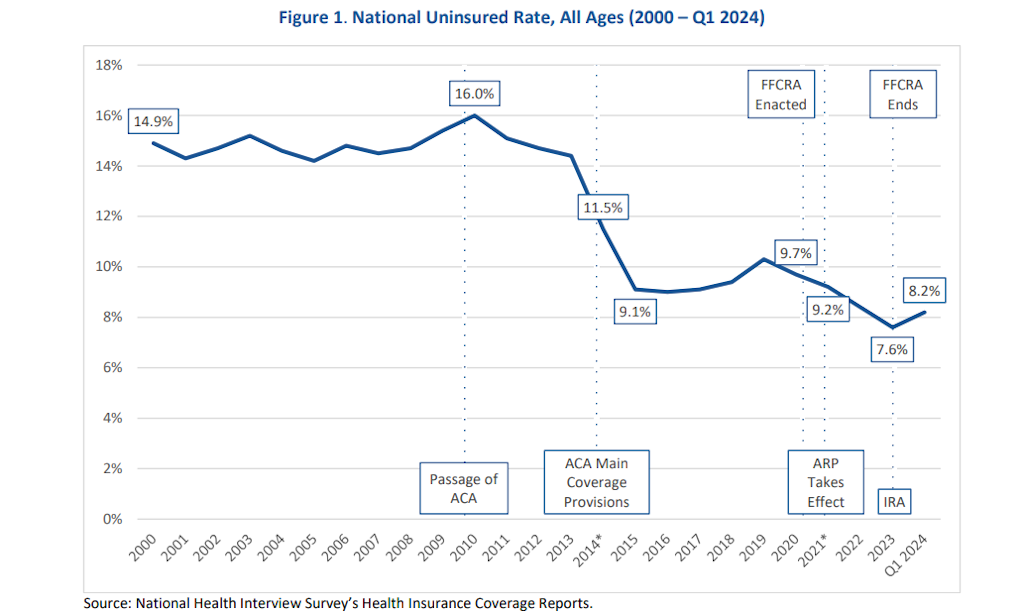
Dietary and health metrics point in the same direction. Americans consume an average of roughly 3,800 calories per day, representing a significant increase over consumption levels in the 1980s. At the same time, expanded access to coverage has driven the uninsured rate down significantly over the past decade and a half.
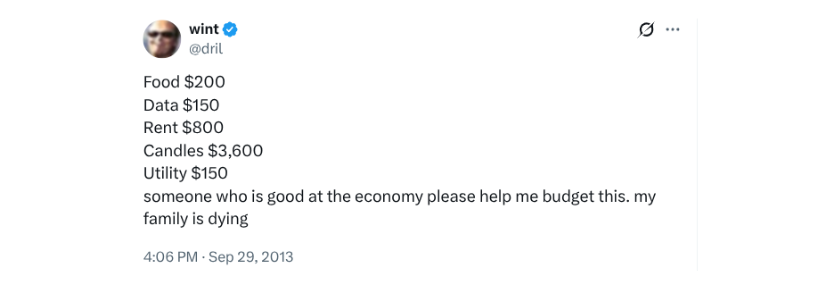
These long-term trends underscore the profound transformation in human purchasing power over centuries. Candles, which once represented such a steep luxury expense that people risked their lives on dangerous whaling voyages to secure fuel, are now trivial household items. Similarly, the time-price of light has plummeted from hours of grueling labor to an imperceptible fraction of a second.
When modern economic analysis loses sight of these fundamental gains in quality and efficiency, it risks producing alarming headlines that bear little resemblance to the actual lived experiences of the population.





Comments (0)