


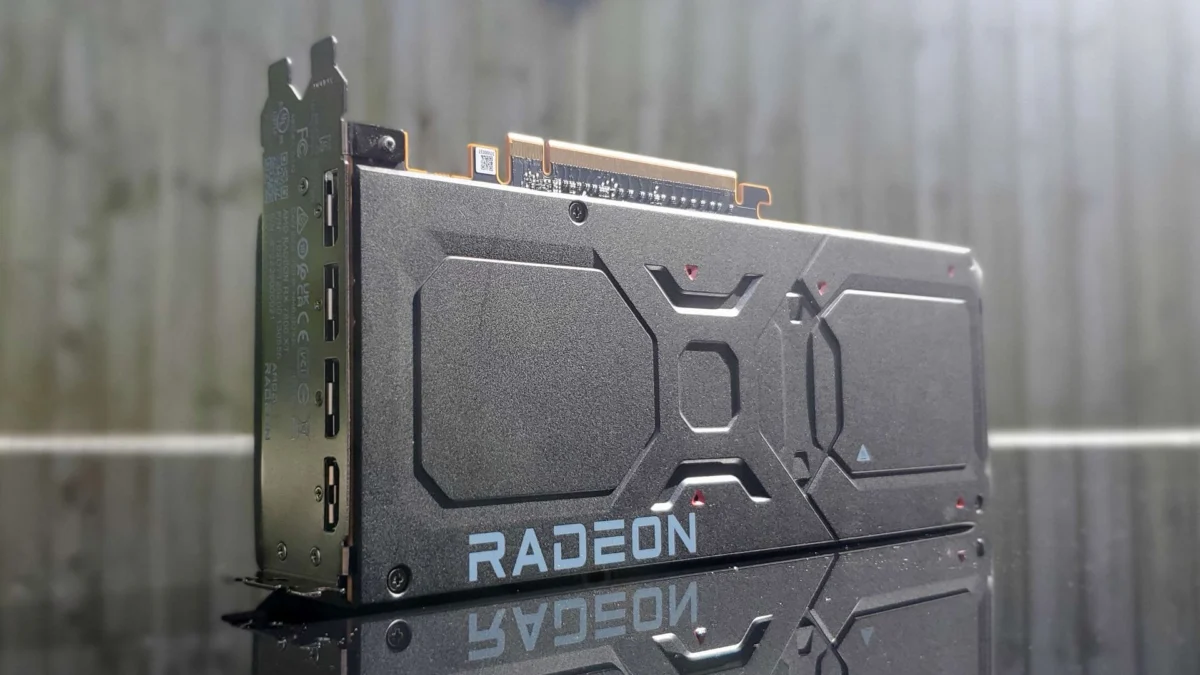
For graphics card owners, keeping drivers up to date is usually a routine part of maintaining a healthy gaming PC, but a recently uncovered bug turned a standard software update into a critical storage preservation issue. Following widespread user reports regarding a misfiring utility within AMD’s GPU driver suite that was allegedly degrading solid-state drive health by as much as one percent per month through erroneous, continuous storage writes, the semiconductor giant has officially released a fix.
The software patch, designated as AMD Adrenalin Edition 26.11.1, arrives as an interim solution aimed specifically at stopping the abnormal behavior. According to the release notes provided by AMD, the optional update directly addresses and resolves the problem of excessive writes to the system drive while the computer is sitting at idle. The bug specifically impacted systems running Radeon RX 7000-series graphics cards and newer models, sparking significant concern across the PC gaming community as users watched their expensive storage hardware wear down prematurely through no fault of their own.
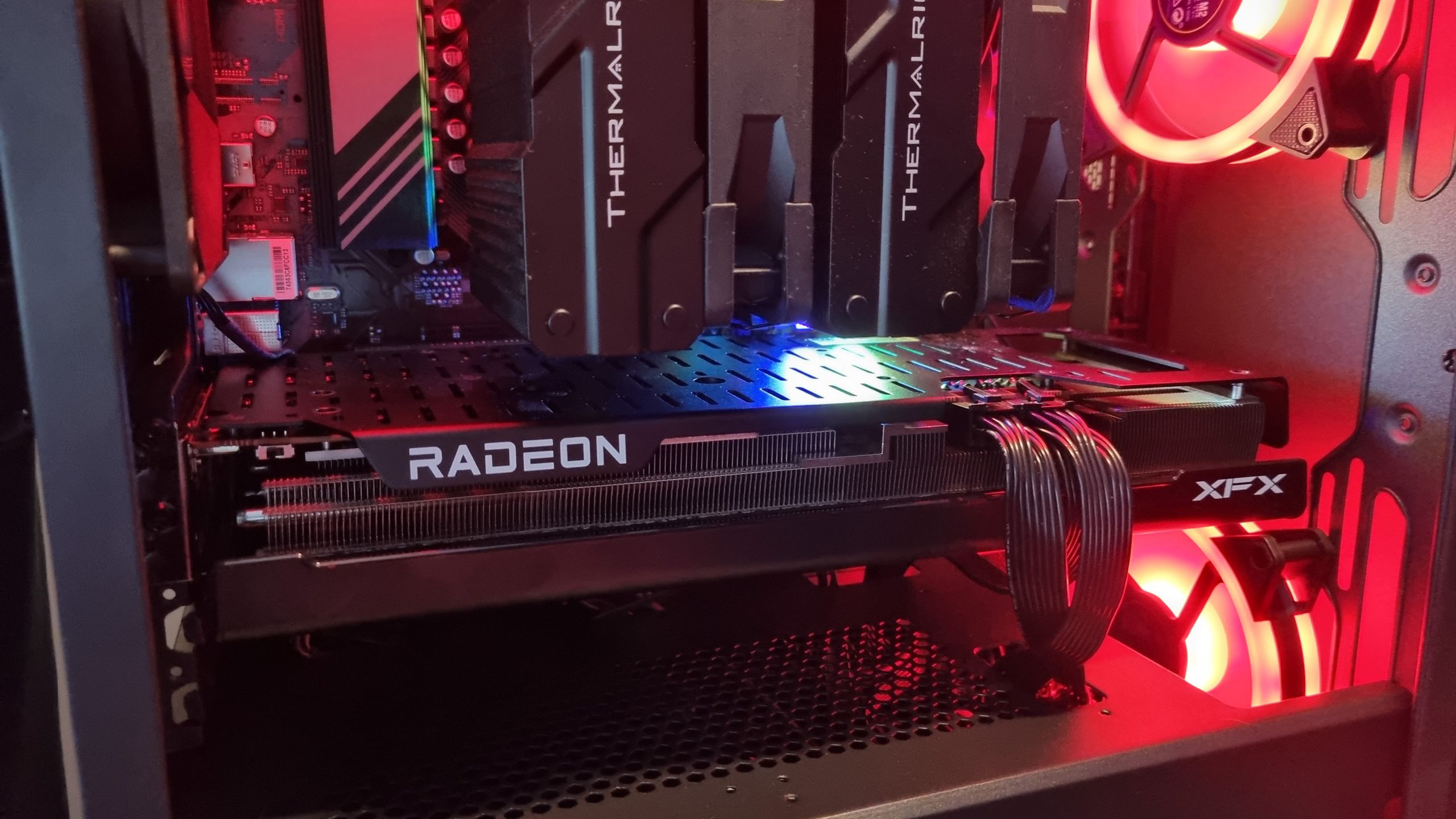
While AMD’s official documentation highlights the fix for the RX 7000 series and above, the situation remains somewhat ambiguous for owners of older hardware. Numerous user reports originating from communities and forums indicated that owners of Radeon RX 6000-series graphics cards were also experiencing similar symptoms of abnormal storage activity. However, AMD’s initial release notes do not explicitly confirm whether a corresponding fix for earlier generation architectures is currently in development or bundled into the new software package, leaving a subset of users waiting for further clarity.
The decision to roll out the fix as an optional update has also drawn mild scrutiny from hardware analysts and affected users alike. Given the severe nature of the bug—where silent, background storage writes could permanently degrade expensive components over time—many expected a more forceful deployment strategy. Typically, however, this is the standard mechanism AMD utilizes to push interim hotfixes out to the public between major, fully certified driver releases. Because it is classified as an optional download, users must actively seek out the installer from AMD’s support portal and initiate the update process manually rather than relying on automated background prompts through the standard software interface.
A review of the broader known issues detailed in the Adrenalin Edition 26.11.1 release notes indicates that this interim driver still carries a handful of lingering bugs that will likely need ironing out before the next major mainline driver branch is finalized. The company outlines several potential technical hiccups and game-specific instabilities, including reported crashes and driver timeouts in titles such as Assassin’s Creed Black Flag Resynced, War Thunder, and Cyberpunk 2077 when AMD FidelityFX Super Resolution is enabled. Notably, while these known issues largely mirror those found in previous software versions, they represent a relatively concise list compared to historical driver deployments, pointing to a generally stable foundation aside from the specific game interactions noted by the manufacturer.

Among the specific game-related acknowledgments in the new driver release, AMD noted that visual corruption may occasionally manifest on character hair while playing Phantom Blade Zero on systems equipped with Radeon RX 9000-series graphics products. For gamers deeply immersed in demanding titles where visual fidelity is paramount, compromising on graphics settings—even minor ones like character hair rendering—can be a frustrating compromise. Yet, when weighed against the alternative of quietly losing endurance and longevity on high-performance solid-state drives, applying the patch represents a clear priority for safeguarding system integrity.
The urgency surrounding storage protection has been further amplified by broader market conditions affecting PC hardware components. With RAM and storage prices remaining notably high due to surging global demand driven by artificial intelligence infrastructure and data center expansion, replacing a damaged SSD is an increasingly costly endeavor. Because consumer replacement options are far from cheap in the current economic landscape, any software flaw that introduces unnecessary wear and tear on existing hardware carries immediate financial implications for builders and gamers. Preventing premature hardware failure is paramount, making the prompt deployment of a driver-level remediation a welcome relief for those affected.
Ultimately, while optional hotfixes require proactive user engagement to download and install, the arrival of AMD Adrenalin Edition 26.11.1 provides a crucial safety net for modern Radeon owners. By cutting off the erroneous background write cycles at the source, the update halts the gradual erosion of system drive health and spares users from facing premature hardware obsolescence. As hardware ecosystems grow increasingly complex and tightly integrated across storage, memory, and graphics processing units, rapid software responsiveness from manufacturers remains essential for maintaining consumer trust and protecting valuable desktop investments.





Comments (0)