


Every established brand possesses a vault of intellectual property—stories, iconic characters, signature products, historical campaigns, and recognizable symbols. Long viewed strictly as assets for physical packaging or seasonal marketing campaigns, these elements are increasingly recognized as long-term cultural currency. Forward-looking corporations are no longer just securing their trademarks against infringement; they are actively bringing them to life in digital formats to engage modern consumers.
Rather than chasing speculative digital token trends or short-lived hype cycles, industry leaders are extending their core brand assets into functional digital products designed to deepen consumer loyalty, open new engagement channels, and offer digital ownership to their most dedicated audiences. This evolution reflects a broader transformation in how consumers interact with commercial culture across global markets.
What Digital Collectibles Really Are for Modern Enterprises
For major brands, digital collectibles have evolved far beyond simple digital images or speculative financial assets. Industry observers and digital infrastructure providers view blockchain-based tokens as IP-powered digital products capable of unlocking community engagement, rewarding brand loyalty, and introducing new layers of narrative depth. These products can take numerous forms, ranging from digital replicas of physical goods to exclusive membership passes and interactive virtual items.
This movement is underpinned by significant market momentum. According to industry projections from Business Research Insights, the global digital collectibles market is expected to expand from $11.25 billion to more than $48.6 billion by 2033, registering a compound annual growth rate of roughly 20.1 percent. These figures indicate that blockchain-integrated digital items are not a temporary novelty, but rather a permanent structural shift in consumer behavior and brand interaction.
High-profile collaborations continue to validate this trajectory. Partnerships such as the joint initiative between McDonald’s and the digital asset community Doodles—which introduced over 100 million limited-edition branded holiday cups across U.S. restaurants—demonstrate how digital native communities and mainstream retail giants can merge physical products with digital storytelling to capture public attention.
Strategic Frameworks for Translating Corporate IP Onchain
Transitioning legacy intellectual property into the digital ecosystem does not require a complete brand overhaul. Instead, enterprises are adopting structured methodologies to evaluate and adapt their existing assets. The process typically begins with a comprehensive audit of existing IP, examining characters, product designs, legacy slogans, mascots, and historical marketing moments to identify elements with enduring emotional and cultural resonance among fans.
Once key assets are identified, organizations define the precise strategic purpose of the digital initiative. Whether the goal is to reward high-value customers, grant exclusive access to physical or virtual events, generate conversation around a major product launch, or capture a younger demographic, clarity of intent remains central to successful deployment.
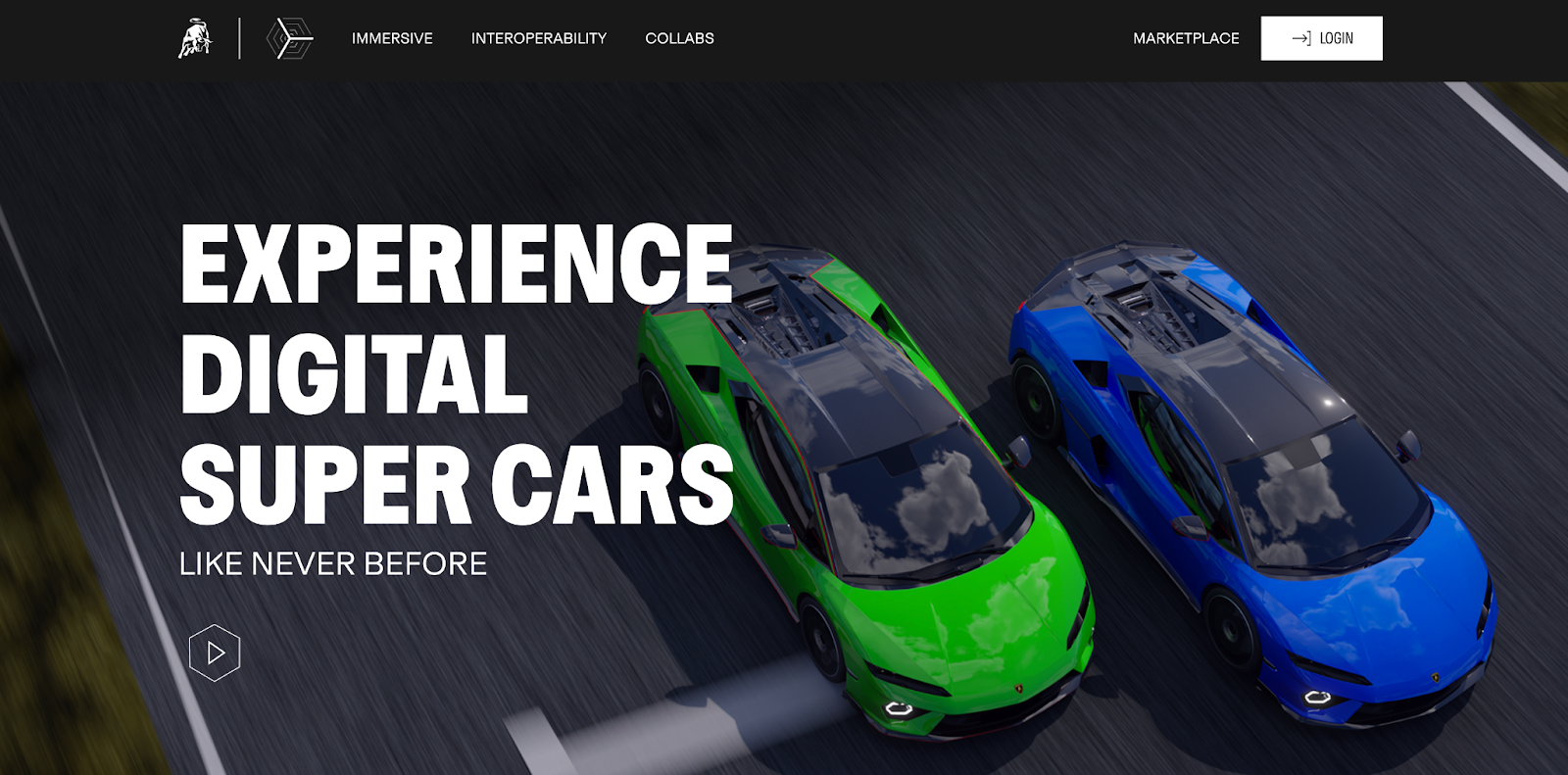
Choosing the right format is the next critical step. Digital items can range from static visual art and short-form animations to interactive files that tie directly into real-world consumer perks. To manage these programs securely, brands often collaborate with specialized infrastructure providers—such as Rarible—to establish customized digital marketplaces governed by dedicated smart contracts and brand-specific compliance rules. Finally, successful activations rely on intentional rollouts, utilizing limited-edition drops and real-world utility hooks within broader marketing strategies.
Digital IP in Action: Case Studies from Global Brand Leaders
Several major intellectual property holders have already implemented these strategies, demonstrating tangible success through customized digital marketplaces and blockchain integration.
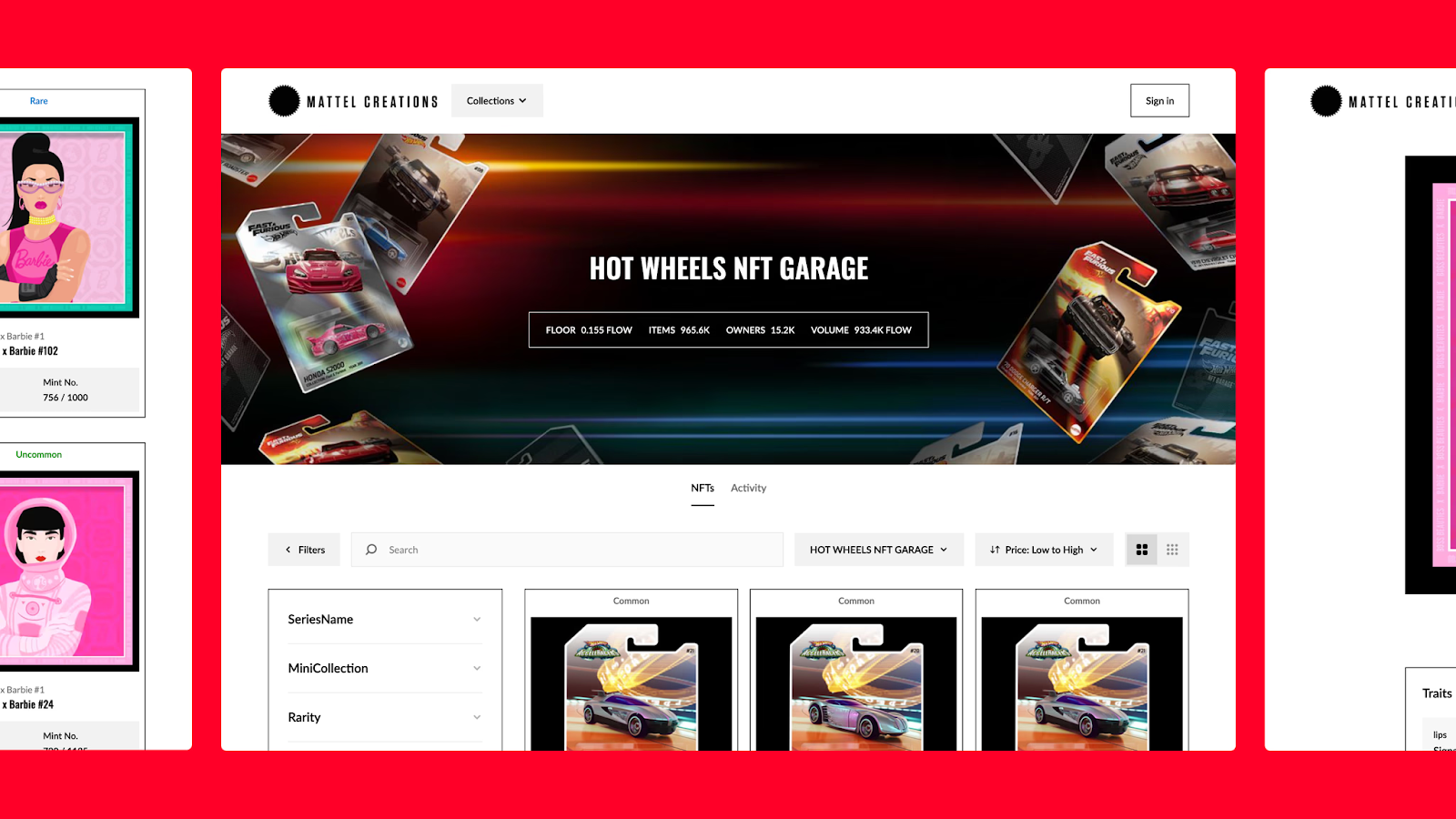
Mattel Creations, a titan in the global toy and entertainment industry, entered the digital collectible space by partnering with infrastructure platforms to build a dedicated virtual marketplace. Utilizing the Flow blockchain, Mattel enabled seamless user onboarding and familiar fiat payment methods, allowing consumers to focus on collecting their favorite legacy characters and products without navigating complex technical barriers.
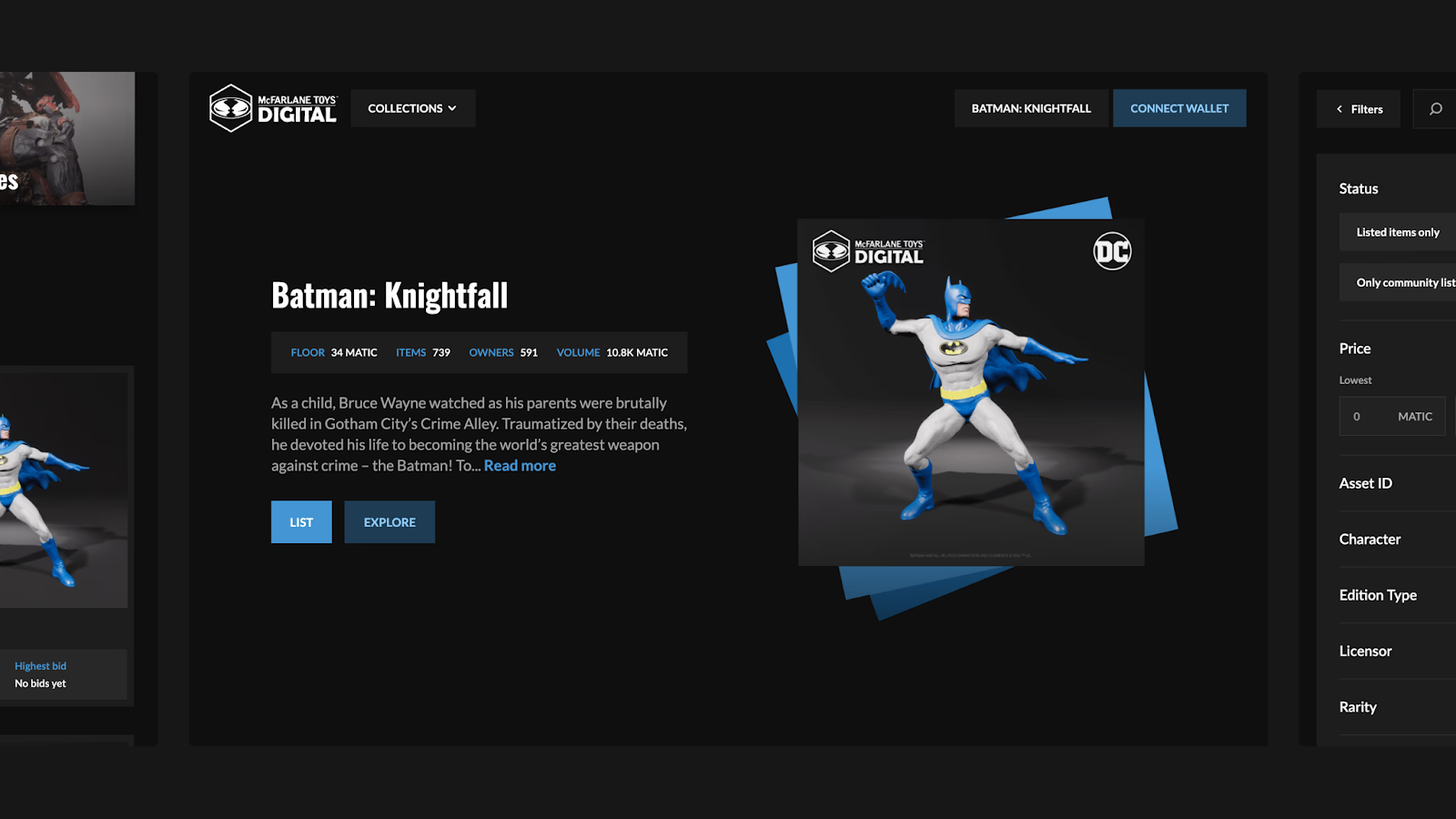
Similarly, McFarlane Toys collaborated with specialized blockchain infrastructure providers to launch a custom digital collectibles marketplace operating on the Polygon network. This initiative successfully introduced their renowned collectible lines to a digitally native audience while offering long-time physical collectors an innovative, supplementary way to interact with the brand.
Other major cultural institutions, including professional sports organizations like the NFL, have similarly leveraged gamified digital token drops to maximize the reach and monetization of their vast intellectual property portfolios in online spaces.
Securing the Future of Brand Heritage Online
Bringing corporate intellectual property onchain requires balancing technological innovation with strict brand safety and risk management. Infrastructure providers like Rarible aim to facilitate this transition by offering scalable solutions that allow enterprises to launch customized digital collectible environments on their own terms.
As consumer expectations continue to shift toward digital ownership and participatory brand culture, companies equipped with recognized intellectual property possess the foundational assets needed to thrive. By extending historical brand equity into secure digital formats, organizations can offer their audiences innovative ways to connect, collect, and participate in the enduring identity of the brands they follow.




Comments (0)