



Berkshire Hathaway executed a series of strategic portfolio adjustments during the third quarter, taking advantage of market turbulence to buy into slumping equities while simultaneously trimming exposure to some of its long-standing financial positions.
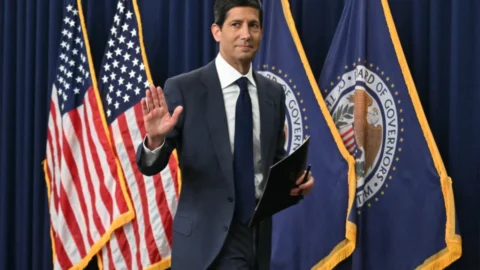
The moves from the Omaha-based conglomerate mark some of the most closely watched capital allocation decisions under the leadership of President and CEO Greg Abel. Abel officially succeeded legendary investor Warren Buffett at the start of the year, taking over the day-to-day operations of the sprawling corporate empire. Meanwhile, Buffett, now 96 years old, continues to maintain a substantial influence on the company and still controls roughly 13% of Berkshire Hathaway common stock. That continuing ownership stake followed news that the legendary former CEO recently donated $5.5 billion to nonprofit foundations in late November, maintaining his long-standing philanthropic commitment.
Doubling Down on Delta Amid Industry Headwinds
Among its most notable third-quarter maneuvers, Berkshire Hathaway increased its stake in Delta Air Lines by 12%, acquiring an additional 7.13 million shares. By the close of the third quarter, the massive holding was valued at approximately $5.37 billion.
The decision to buy heavily into the Atlanta-based carrier came as the broader airline industry endured a punishing stretch in the market. Delta’s shares tumbled 11% during the third quarter alone, marking the airline’s worst quarterly performance since the first quarter of 2025, when its stock plunged 28%. The industry-wide sell-off was primarily driven by a sharp rise in jet fuel prices, which spiked abruptly as a direct consequence of the geopolitical tensions and conflict stemming from the U.S.-Iran war. The mounting energy costs severely pressured operating margins across the commercial aviation sector, forcing Delta to take defensive action. Last month, carrier leadership formally cut its full-year earnings forecast, pointing directly to the severe surge in fuel expenses as the primary catalyst.
For Berkshire Hathaway, however, historical investing philosophy has often favored aggressively acquiring quality businesses when macroeconomic headwinds or short-term panic depress valuations. Buying into that pronounced market dip has proven to be an exceptionally lucrative trade thus far for the conglomerate. Delta shares have rebounded strongly, climbing 3.8% through the early weeks of the fourth quarter—outperforming the broader market as the S&P 500 dropped 3.1%. Furthermore, Delta stock has surged nearly 15% over the trailing month, validating Abel and his team’s willingness to step in
while other market participants were bailing out.
Trimming Bank of America and Adjusting Other Positions
Even as Berkshire expanded its footprint in the transportation sector, the conglomerate concurrently adjusted its exposure within the financial services landscape. Berkshire trimmed its holding in Bank of America by nearly 6%, offloading more than $1.6 billion worth of stock during the quarter.
Bank of America shares faced intense downward pressure throughout the third period, declining more than 4%. The financial sector as a whole wrestled with a challenging macroeconomic backdrop defined by surging interest rates, stubbornly high inflation prints, and growing market expectations that the Federal Reserve would maintain a tighter monetary policy stance for longer than previously anticipated. The bond market reflected this severe tightening cycle dramatically in September, when the 30-year Treasury bond yield surged above 5.6%, touching its highest nominal level since 2002 and sending tremors through interest-rate-sensitive assets.
Despite the notable share sale, Bank of America remains one of the absolute cornerstones of Berkshire Hathaway’s equity portfolio. The conglomerate’s remaining stake in the banking giant was valued at a formidable $24.8 billion at the end of the third quarter, signaling that the trim was a portfolio management decision rather than a wholesale exit from the thesis.
Beyond the adjustments to Delta and Bank of America, Berkshire Hathaway has continued to reshape its broader equity holdings under Abel’s stewardship. During the same period, the conglomerate initiated a brand-new position in software company Bending Spoons and aggressively expanded its real estate exposure, nearly doubling its stake in major homebuilder Lennar in the latest quarter to capitalize on shifting dynamics in the housing market.




Comments (0)