


In the modern landscape of consumer engagement, every established brand sits atop a goldmine of intellectual property. Whether expressed through classic characters, iconic product designs, memorable advertising campaigns, or recognizable visual symbols, these elements have long transcended physical packaging and seasonal marketing budgets. Today, industry leaders recognize that brand assets function as long-term cultural currency, prompting forward-thinking organizations to move beyond passive protection and actively deploy their intellectual property in digital form.
This evolution does not signal a return to speculative, short-lived non-fungible token crazes or fleeting internet trends. Instead, major corporations are taking their most enduring brand elements and translating them into structured digital products designed to cultivate deeper consumer loyalty, open fresh engagement channels, and grant meaningful digital ownership to their most dedicated audiences. Market data underscores this structural shift: the global digital collectibles sector is projected to expand significantly, growing from $11.25 billion to over $48.6 billion by 2033 at an annual growth rate of 20.1 percent. This trajectory indicates that digital collectibles are far more than a passing novelty; they represent a fundamental, permanent evolution in how contemporary consumers interact with corporate culture and brand storytelling.
What Digital Collectibles Really Are
For enterprise-level organizations, digital collectibles offer far more than simple digital imagery or speculative trading instruments. Effectively utilized, these blockchain-based assets function as IP-powered digital products capable of unlocking active community participation, rewarding sustained consumer loyalty, and introducing innovative layers of brand narrative. They can manifest in numerous ways—ranging from visual art and short-form animations to interactive files tied directly to tangible, real-world utility and experiences.
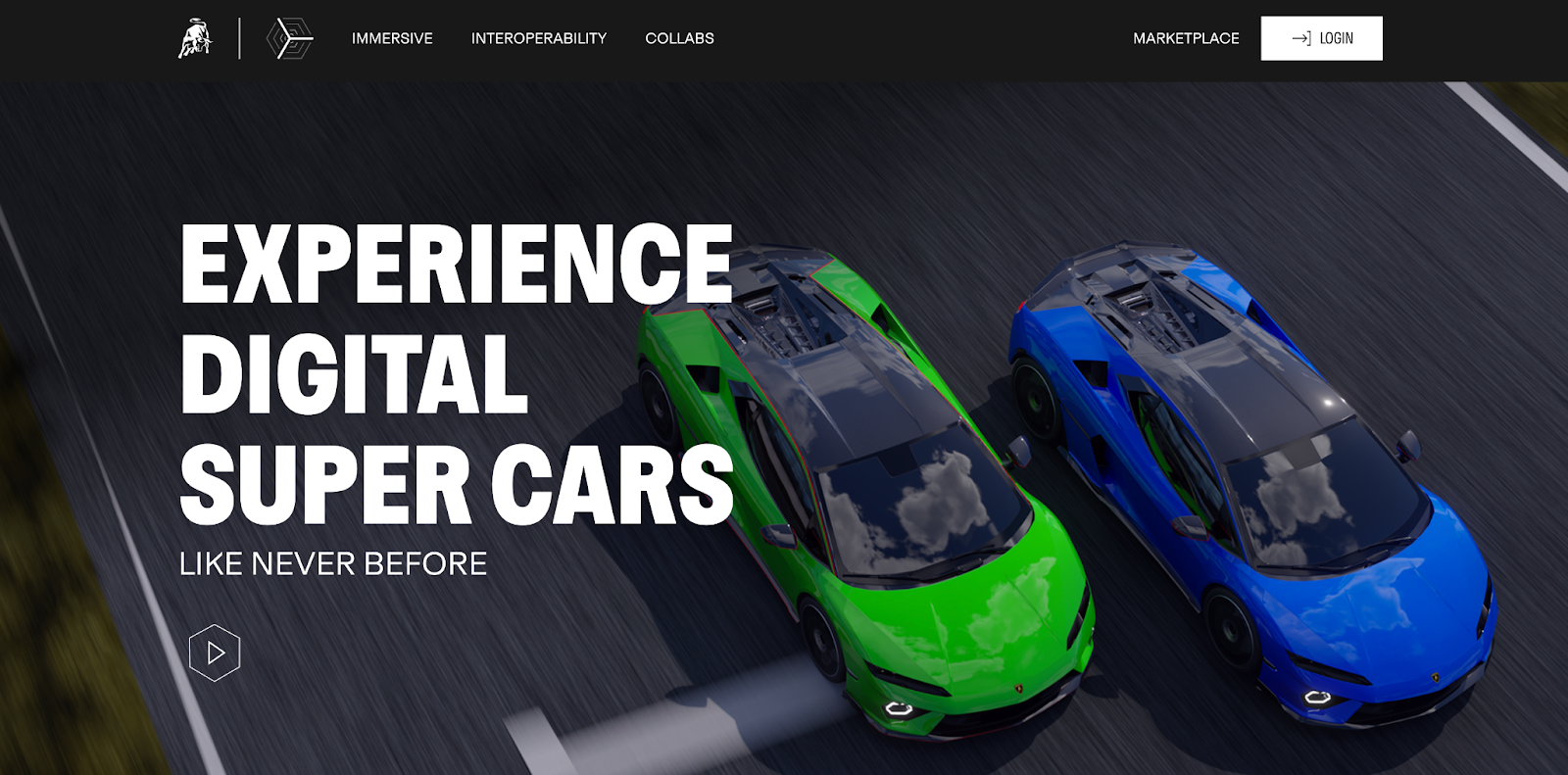
The cultural validity of this approach is increasingly visible across major retail and entertainment sectors. High-profile collaborations continue to demonstrate how traditional brands integrate digital concepts into mainstream consciousness. For instance, creative communities and global giants frequently intersect to capture public attention, such as large-scale holiday campaigns uniting digital art collectives with household names like McDonald’s, bringing limited-edition themed merchandise and digital touchpoints to millions of consumers across the United States. Beyond individual marketing stunts, major intellectual property holders across toys, automotive, and sports industries are systematically converting their tangible archives into secure, on-chain assets.
How Brands Bring Intellectual Property to Life Digitally
Entering the digital product space does not require a brand to abandon its foundational identity or undergo a radical corporate reinvention. Rather, successful integration relies on a methodical strategy tailored to existing brand equity. Industry specialists suggest starting with a comprehensive audit of current intellectual property. Companies examine what they already own—including legacy logos, campaign milestones, mascots, and product archives—to identify elements carrying the highest emotional and cultural resonance with their existing consumer base.
Once foundational assets are identified, organizations define the precise purpose behind their digital rollout. These digital initiatives are frequently deployed to reward deeply invested customers, grant exclusive access to physical or virtual events, generate conversation around major product debuts, or attract entirely new demographic segments. Formats are then chosen to match these strategic goals, ranging from purely visual digital collectibles to dynamic assets that unlock real-world benefits. To ensure brand safety and maintain governance, companies increasingly rely on customized infrastructure providers like Rarible, enabling them to launch dedicated marketplaces governed by their own rules and proprietary smart contracts. Finally, these assets are activated through intentional, limited-edition drops that tie seamlessly into broader marketing strategies.
Digital IP in Action
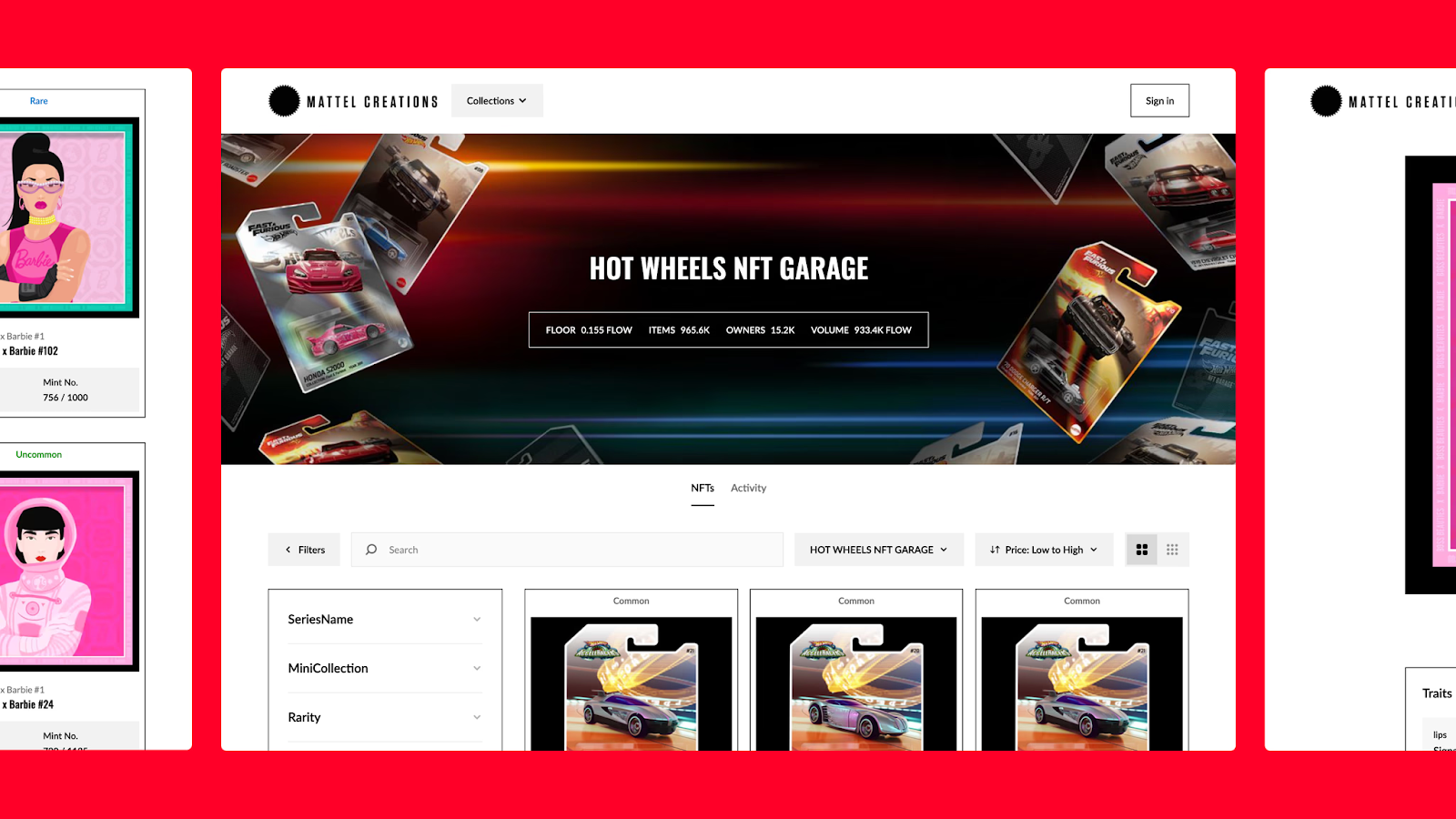
The viability of this strategic framework is demonstrated by some of the world’s most prominent intellectual property holders, who have successfully established proprietary digital ecosystems. When entertainment giant Mattel sought to expand its digital footprint, the company partnered with infrastructure providers to launch a dedicated virtual marketplace. Built on the Flow blockchain, the platform prioritized seamless user onboarding and familiar payment methods, such as fiat currency, ensuring that collectors could focus entirely on acquiring their favorite toy lines and brand memories without technical friction.
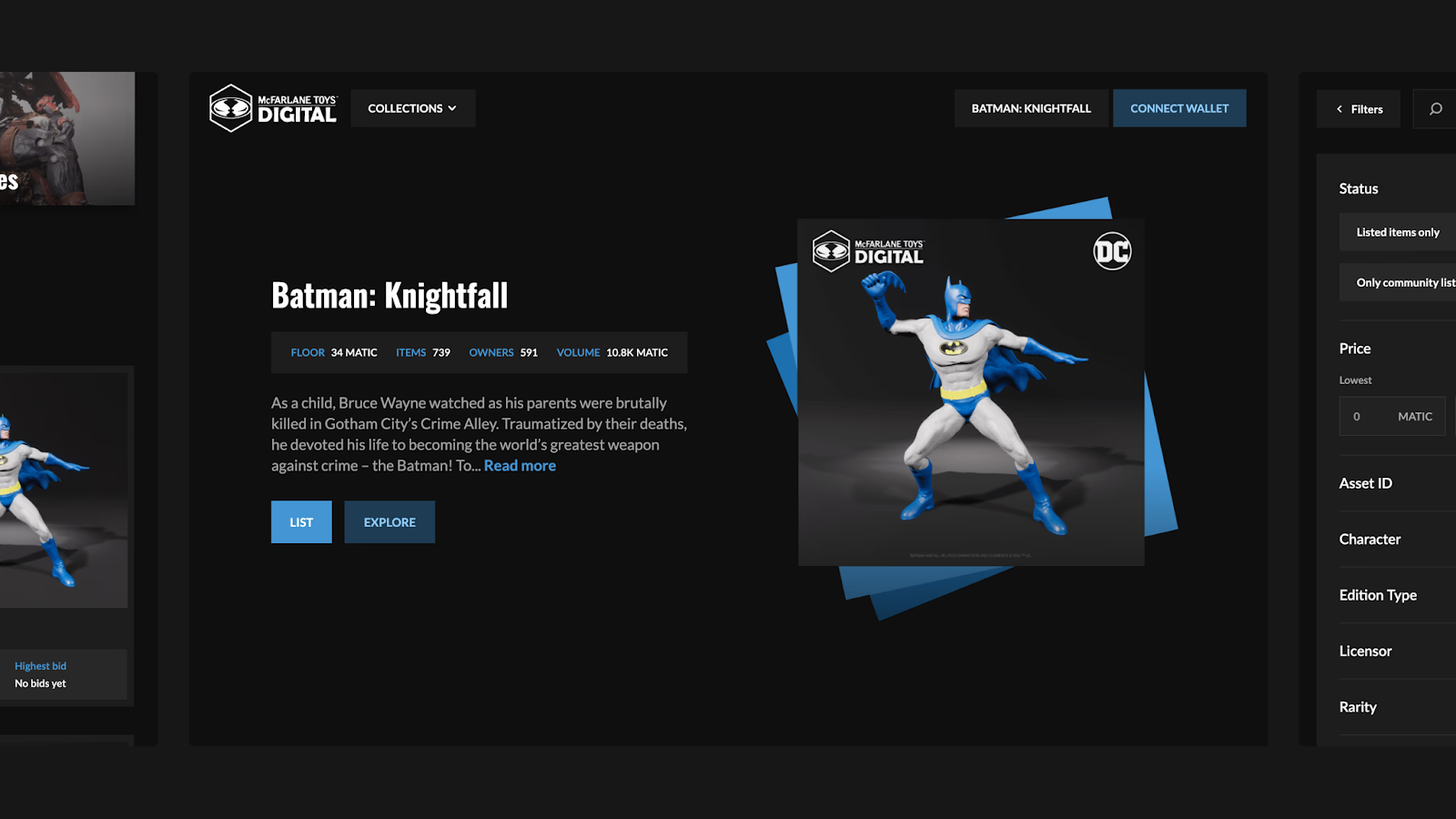
Similarly, renowned collectible manufacturer McFarlane Toys utilized custom marketplace infrastructure on the Polygon blockchain to establish its own digital storefront. This transition allowed the brand to introduce its celebrated physical and graphic IP to an entirely new digital audience while simultaneously providing longtime physical collectors with an innovative, interactive method to engage with the brand. Across the sports and entertainment industries, similar methodologies have taken root, with organizations like the National Football League deploying gamified digital collectible drops to maximize the enduring value of their online archives.
The Future of Digital Brand Equity
As enterprises continue to refine their digital strategies, the underlying motivation remains rooted in connection rather than mere technology. Organizations that have spent decades building recognizable brands and culturally significant intellectual property now possess the necessary tools to extend that value into the digital realm securely, creatively, and on their own terms. Digital collectibles provide audiences with fresh avenues to participate in, collect, and connect with the core values that brands represent. With established infrastructure lowering the barrier to entry, rights holders are increasingly equipped to bring their most cherished intellectual property into a permanent digital life.





Comments (0)