


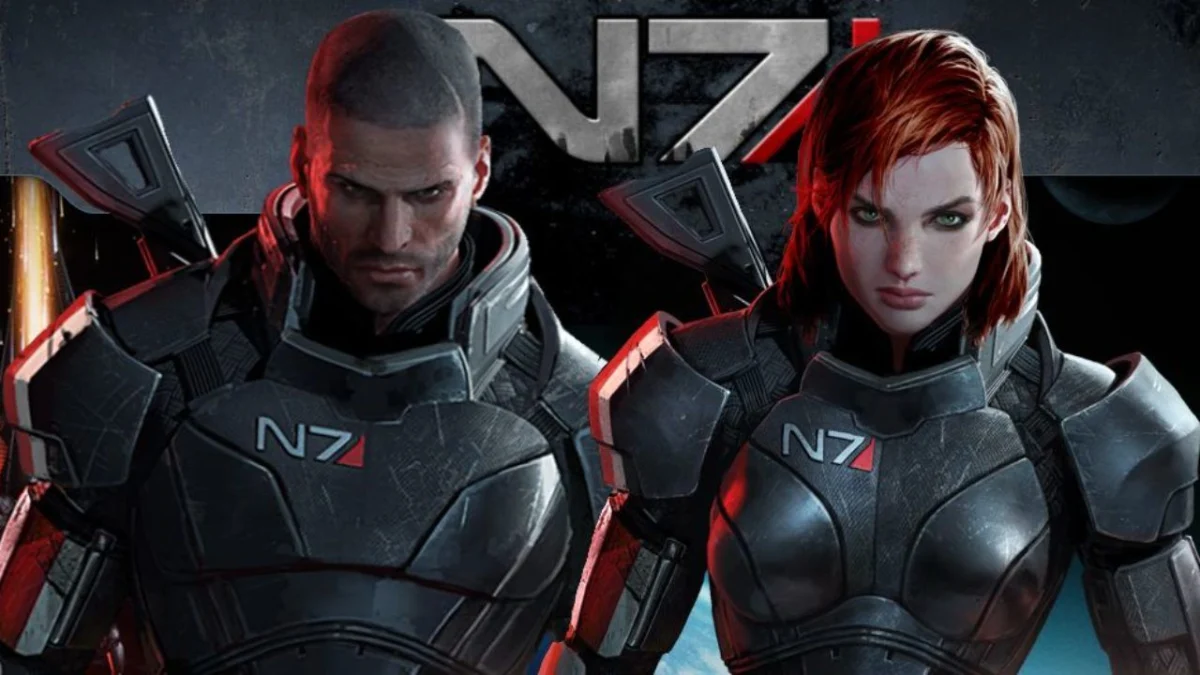
The voice actors behind one of gaming’s most iconic dual protagonists have broken their silence following a turbulent period for BioWare and the broader video game industry. Jennifer Hale and Mark Meer, universally recognized by millions of players as the female and male incarnations of Commander Shepard from the legendary Mass Effect trilogy, addressed fans directly during an October 21 Instagram Live stream. Their heartfelt discussion offered a mix of grief, nostalgia, and cautious optimism as they reflected on the legacy of BioWare, the human toll of recent corporate restructuring, and the uncertain future of the beloved science-fiction franchise.
The conversation, which quickly drew the attention of the gaming community, followed recent reports and leaks surrounding the studio and its ongoing projects, most notably the whispered anticipation around Mass Effect 5. As veteran pillars of the series, Hale and Meer brought a deeply personal perspective to a moment that has left many longtime fans feeling heartbroken and anxious about the future of traditional role-playing games.
Two Perspectives on a Devastating Loss
Watching the stream, it became immediately clear how much Hale and Meer’s distinct backgrounds shaped their reactions to the crisis. Hale, widely considered one of the definitive premier voices in the video game industry with a staggering resume spanning decades, zeroed in immediately on the systemic issues plaguing the industry at large and BioWare’s specific place within that turbulent landscape.
"I feel weirdly hopeful, and I can’t explain why," Hale shared during the broadcast. "I feel for the employees who are suddenly unemployed. That is the number one thing on my mind. Those beautiful team members who are looking for a new home."
Hale touched upon the broader context of corporate consolidation, pointing to recent high-profile sales and acquisitions involving electronic entertainment giants and private equity entities, such as EA’s positioning within broader investment portfolios including the Saudi Public Investment Fund and Jared Kushner’s affinity groups. She expressed skepticism about whether such ownership groups truly understand the creative soul and cultural value of the intellectual properties they hold.
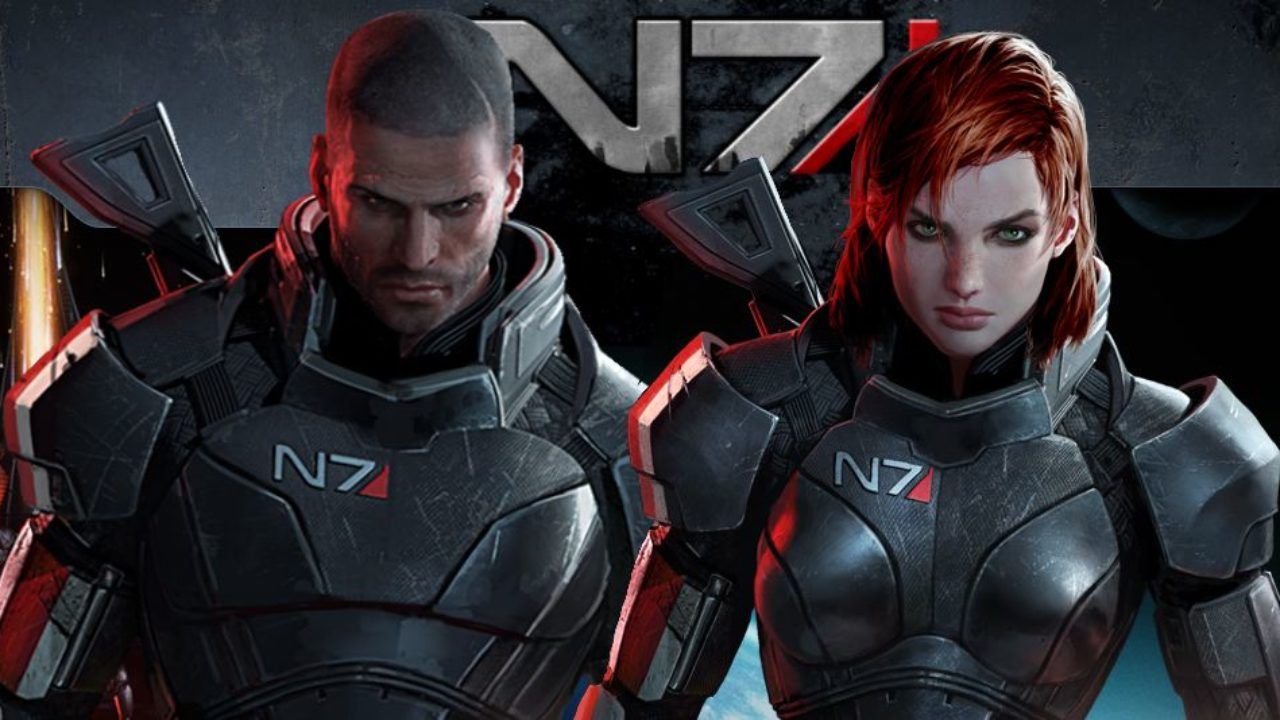
"One of the things that has my heart kind of hopeful is that, when I heard about the sale of EA some time ago, I don’t know that they are fans of these IPs, and if they get the gold that they have in their hands," Hale noted. "It’s really hard to think about BioWare being shut down, but it was in the hands of ownership that may not have understood what BioWare fully is."
Despite the bleak reality of studio closures and layoffs, Hale maintained a philosophical outlook on how creative energy survives corporate implosions. Drawing on the mechanics of industry consolidation, she described companies merging into massive, unwieldy corporate entities driven purely by profit margins rather than creative motives.
"When that cell implodes on itself, all those parts of the cell go out into the world, and they get to reseed somewhere," Hale said. "I just don’t feel like it’s done. That version of it is done, but the original version of it was done some time ago."
In a lighter moment during her commentary, Hale even floated the notion of grassroots intervention, joking about a community-led Kickstarter campaign to buy back the intellectual property rights. While logistically far-fetched given the astronomical costs associated with AAA game development and corporate asset ownership, the sentiment resonated deeply with fans who have spent nearly two decades immersed in the commander’s boots.
A Local Tragedy for Edmonton
While Hale looked at the macro-level economic realities of the global games industry, Mark Meer approached the situation through the lens of local community and personal history. Rooted deeply in Edmonton’s vibrant theater and improv scene, Meer reflected on what BioWare meant to the city and the local creative ecosystem that nurtured early generations of developers and performers.

"It is very sad news… It is a massive loss for Edmonton, for Canada, and for the video game industry in general," Meer said. "It’s very unfortunate to see. And of course, I feel very bad as well for all of the fans. BioWare was an Edmonton company. It meant a lot to the acting community in Edmonton. There was this major videogame company that was producing games right there in the prairies, in our city."
For years, BioWare served as a beacon for Canadian talent, proving that world-class, culturally defining entertainment could be forged far outside traditional coastal tech hubs. Meer noted that he has spent considerable time speaking with distraught fans who view the studio’s downturn as the end of an era. However, he emphasized that the spirit of Mass Effect ultimately belongs to the community that embraced it.
"The thing is, Mass Effect is going to be around as long as the fans keep it alive," Meer assured his listeners. "Speaking for myself, as long as people keep tagging me in their cosplay pics, or sending me fanart, or tagging me in their fanart, I’ll continue to share it."
Looking ahead, Meer promised that the community would continue its annual traditions despite corporate uncertainty. He confirmed that fans and actors alike will still celebrate N7 Day, the unofficial global holiday dedicated to the franchise, and pointed toward an even more significant milestone on the horizon.
"Next year is the 20th anniversary of the release of Mass Effect 1," Meer noted. "We might not have corporate support behind us, but we’re going to be celebrating the 20th anniversary next year."

The Harsh Realities of Crowdfunding and Corporate Stewardship
The reactions of both actors capture the dual emotional core of the current crisis: the grief of losing a local and artistic anchor, mixed with an enduring affection for the art itself. That affection leads many fans and creators to look for miraculous solutions, much like Hale’s half-joking reference to crowd-funding. Yet, the economic realities of modern video game development make such romantic notions difficult to execute in practice.
While platforms like Kickstarter famously revitalized the classic computer role-playing game genre by backing projects like Double Fine’s Broken Age or supporting early campaigns for Pillars of Eternity and Wasteland 2, those successes almost always required supplementary traditional investment to cross the finish line and achieve gold status. An intellectual property on the scale of Mass Effect or Dragon Age would require capital investment orders of magnitude higher than what crowdfunding can feasibly generate.
Furthermore, historical precedent suggests that once major corporations acquire and subsequently sideline foundational franchises, they rarely return them to the wild out of goodwill. Electronic Arts, for instance, has kept the influential Ultima series dormant for over two decades. Despite Ultima serving as a foundational pillar for both Western and Japanese role-playing game design, poor corporate stewardship has allowed it to largely fade from contemporary cultural memory.
Searching for a Benefactor
When major studios face collapse under the pressures of private equity and relentless profit-driven consolidation, finding a savior is rarely simple. Publicly traded companies risk simply replicating the same corporate pressures that drained BioWare of its independent creative identity under EA’s umbrella. While some political figures in Canada have occasionally suggested government intervention or localized worker-led buyouts to save regional studios, such proposals often remain pipe dreams in the face of globalized corporate finance.
The most viable, if exceedingly rare, modern precedent for saving a beloved cultural property often looks less like a traditional corporate acquisition and more like an eccentric act of preservation. Observers frequently point to scenarios such as the acquisition of The Onion, where a benevolent or eccentric super-rich buyer steps in to rescue an institution with minimal regard for immediate profitability. Whether a similar guardian exists within the technology or gaming spheres with a specific passion for complex role-playing games or immersive sims remains an open question.
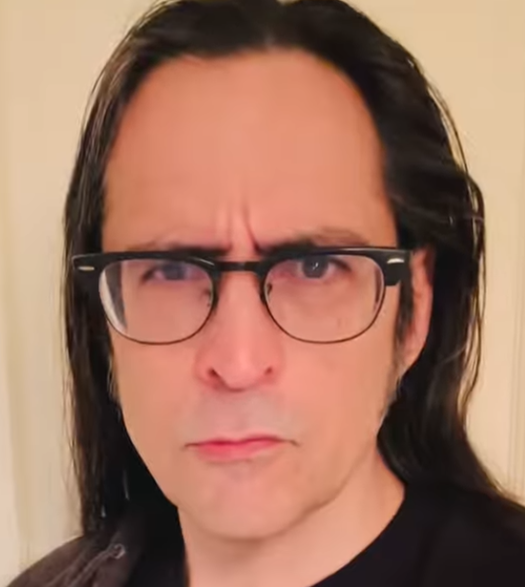
Ultimately, as Hale and Meer’s impromptu reunion demonstrated, the corporate structures that fund and own these studios may rise and fall, but the emotional investment and shared joy generated by their work belong to the players. As the community prepares to mark N7 Day and looks ahead to the 20th anniversary of the original Mass Effect, the legacy of Commander Shepard and the artists who brought them to life continues to endure far beyond the corporate balance sheets of Silicon Valley and Edmonton.


Comments (0)