


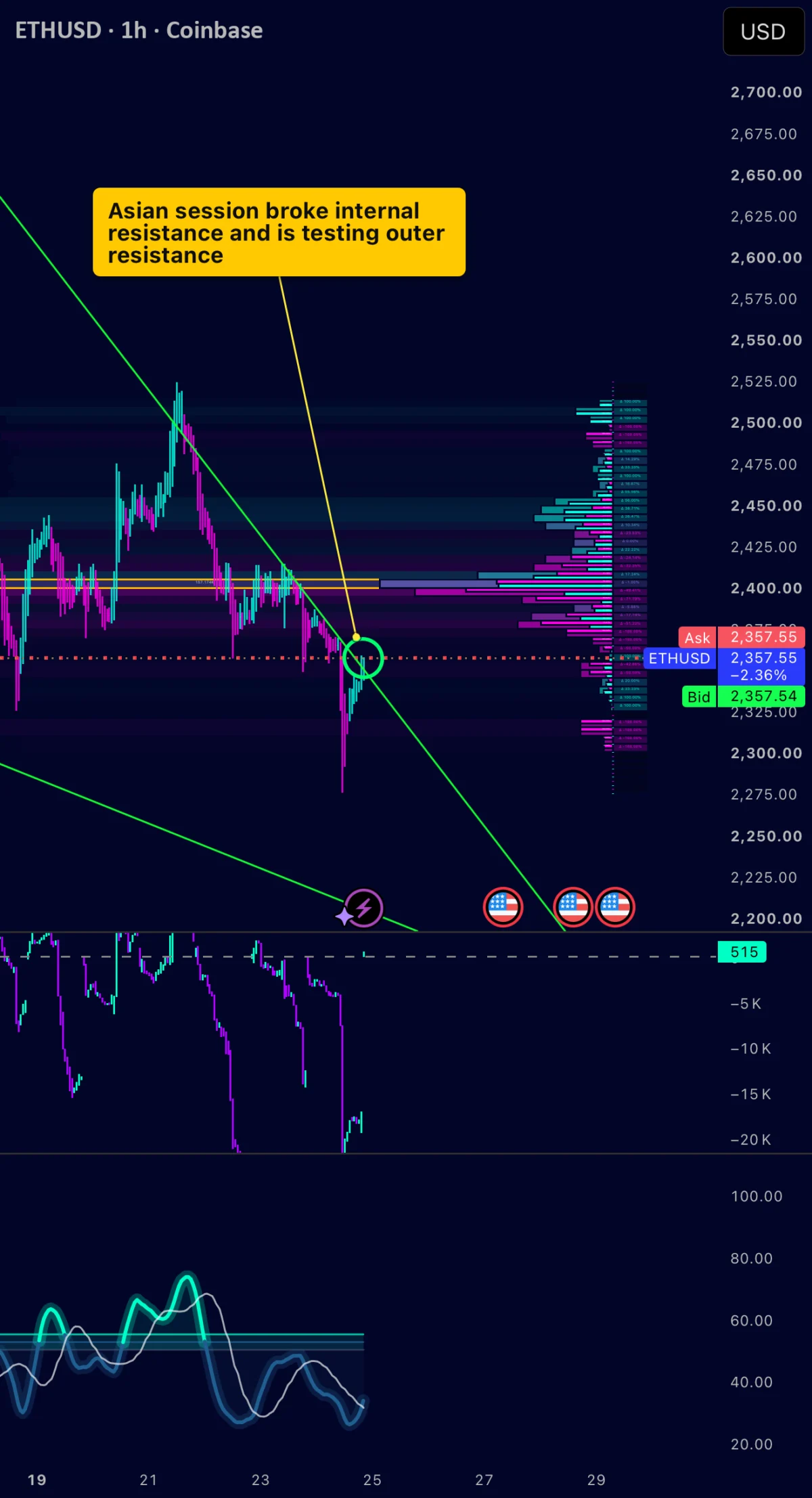
The perpetual tug-of-war between retail market participants and institutional capital providers has once again taken center stage in the cryptocurrency markets, with Ethereum serving as the latest battleground. Recent price action across global trading desks highlights a familiar market dynamic: when retail traders overwhelmingly position themselves in a single direction, institutional entities frequently orchestrate moves designed to capitalize on that concentrated sentiment, exploiting market structure to fuel their own positioning.
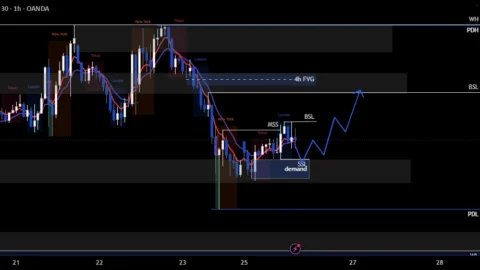
Market analysts closely monitoring the world’s second-largest cryptocurrency by market capitalization point to a textbook liquidity sweep during the early Asian trading session. According to lower-timeframe price action analysis, institutional algorithmic desks targeted short-side buy stops—resting liquidity pools where bearish retail traders had placed their stop-loss orders. By absorbing and sweeping these orders, market makers successfully pierced through established inner resistance levels, triggering a sharp upward momentum shift that has left short-term sellers scrambling.
This classic liquidity grab has fundamentally altered the immediate technical landscape on intraday charts. Rather than continuing the downward trajectory anticipated by the crowd of retail traders who had doubled down on a singular price direction, Ethereum’s market structure shifted dynamically. Current order flow and lower-timeframe indicators suggest that the asset is gearing up for a sustained move higher, driven by the cascading effect of the liquidity sweep and the subsequent re-positioning of larger market participants.
The mechanics of this latest market movement underscore a fundamental truth of modern digital asset trading: liquidity dictates direction. In heavily traded cryptocurrency markets, institutional players with substantial capital footprints often rely on the concentrated positioning of retail crowds to fill large orders. When retail traders become overly one-sided—believing a price trend is bound to continue in a single direction—they inadvertently create the exact pools of liquidity that institutional algorithms require to enter or exit substantial positions without causing severe slippage.
This dynamic was vividly demonstrated during the Asian session, a trading window historically known for setting pivotal intraday trends or initiating aggressive moves against established retail biases. As short-side buy stops were systematically triggered, the resulting influx of buy-side volume provided the necessary fuel to break through stubborn technical resistance barriers. The swiftness of the move caught many market participants off guard, validating the observation that when retail traders heavily double down on the price moving one specific way, large institutional entities are almost always positioned on the opposing side, waiting for the optimal moment to leverage that concentration.
As price action continues to unfold on lower timeframes, veteran market observers are drawing parallels to previous historical setups. Some analysts are comparing the current structural breakout to the market behavior observed back in June, noting similar patterns of liquidity accumulation followed by decisive impulsive moves toward higher price tiers. During that previous period, structural shifts preceded substantial relief rallies and broader upward re-pricings, leaving many to wonder if Ethereum is setting the stage for a comparable macro trajectory as the year progresses.
However, despite the bullish implications of the recent breakout, seasoned market participants emphasize the importance of caution and patience. The upward movement remains in its absolute infancy, and lower-timeframe signals, while promising, require broader market confirmation before definitive long-term conclusions can be drawn. Whether this current breakout will mirror the scale and durability of the June move remains an open question, and only time—along with sustained volume and structural follow-through—will tell how the larger trend ultimately develops.
Disclaimer
The information and publications provided herein are not meant to be, and do not constitute, financial, investment, trading, or other types of advice or recommendations supplied or endorsed by TradingView. Market participants should conduct their own thorough research and risk assessment before engaging in any financial transactions or trading activities.

Comments (0)