


Every major brand possesses a wealth of intellectual property—stories, iconic characters, tangible products, memorable marketing campaigns, and distinct visual symbols. Traditionally, these elements have served as assets strictly reserved for physical packaging, seasonal retail displays, or standard advertising campaigns. However, as consumer habits continue to evolve in an increasingly connected world, forward-looking enterprises are recognizing that this intellectual property represents long-term cultural currency. Rather than merely protecting these assets from infringement, industry leaders are actively finding ways to activate them in digital formats.
This evolution does not mean engaging in speculative cryptocurrency trends or hastily launching uncalculated non-fungible token collections just to follow a passing fad. Instead, the strategy involves taking a brand’s most recognizable and cherished elements and extending them into sophisticated digital products. When executed correctly, this approach deepens consumer loyalty, opens entirely new engagement channels, and offers a tangible sense of digital ownership to a brand’s most dedicated audiences.
What Digital Collectibles Really Are
For modern enterprises, digital collectibles have grown far beyond simple image files or speculative financial instruments. Industry analysts and brand strategists encourage viewing these assets as IP-powered digital products designed specifically to unlock community engagement, reward ongoing customer loyalty, and introduce new layers of narrative storytelling. These digital offerings can manifest in numerous ways, ranging from virtual memorabilia to interactive experiences tied directly to real-world utility.
The market surrounding these assets demonstrates that this approach is far from a temporary novelty. According to projections from Business Research Insights, the global digital collectibles market is expected to expand from $11.25 billion in 2025 to over $48.6 billion by 2033, registering a notable annual growth rate of 20.1 percent. This steady upward trajectory underscores a fundamental, long-term shift in how contemporary consumers choose to interact with commercial brands and broader cultural phenomena.
Major consumer brands continue to validate this shift by translating their proprietary intellectual property into functional digital assets. A prime example of this trend involves high-profile cross-industry collaborations, such as the partnership between the popular digital community Doodles and fast-food titan McDonald’s. Collaborating to bring digital culture into physical storefronts, the initiative introduced limited-edition McCafé holiday cups to participating restaurants across the United States, illustrating how virtual communities and traditional retail giants can successfully merge their audiences through creative IP activations. Similarly, automotive icons like Lamborghini have embraced dedicated digital marketplaces to engage enthusiasts in new virtual environments.
How Brands Are Translating IP Into Digital Collectibles
Transitioning established intellectual property into the digital ecosystem does not require a brand to reinvent its core identity or abandon its traditional market positioning. Rather, it requires a structured, intentional plan that honors the existing equity of the brand. Industry professionals typically approach this transition by first conducting a comprehensive audit of their available intellectual property. This involves examining existing characters, product designs, slogans, corporate mascots, historical campaign moments, and legacy logos to determine which elements hold genuine emotional or cultural resonance with fans.

Once the foundational assets are identified, organizations must clearly define the primary purpose of the digital initiative. Brands must determine whether the digital collectibles are intended to reward high-value customers, grant exclusive access to physical or virtual events, spark public conversation around a new product launch, or capture the attention of an entirely new demographic. Following purpose comes the selection of the appropriate format, which can range from static images and short animations to complex interactive files that may or may not be tied to real-world privileges and merchandise.
The operational phase involves establishing a brand-safe digital environment where these assets can be hosted and distributed securely. Utilizing specialized infrastructure providers allows companies to build customized marketplaces featuring their own distinct visual design, governance rules, and proprietary smart contracts. Finally, the activation phase brings the strategy to life through carefully planned, limited-edition drops that link virtual ownership with tangible benefits, transforming digital collectibles into effective creative hooks within a broader marketing strategy.
Digital IP in Action Across Major Industries
Major intellectual property holders across diverse sectors have already demonstrated the viability of these digital strategies. Toy and entertainment giants, for instance, have successfully integrated onchain storefronts to reach global audiences while maintaining strict brand integrity.
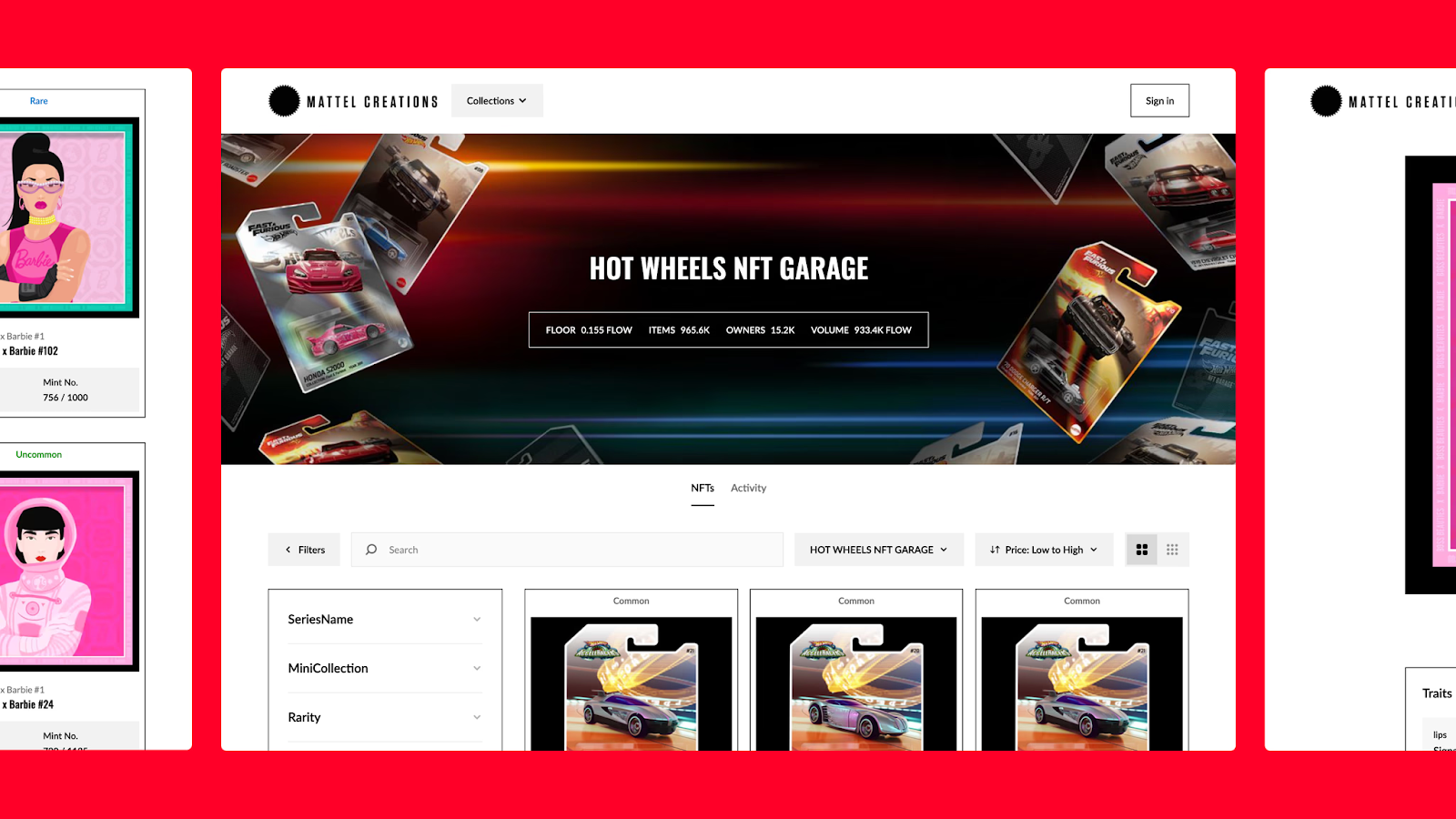
When Mattel, a titan in the global toy industry, decided to enter the digital collectible space, it partnered with specialized infrastructure platforms to build a dedicated virtual marketplace. By constructing this storefront on the Flow blockchain, Mattel ensured seamless user onboarding and familiar payment options, including traditional fiat currency transactions. This technological choice allowed everyday fans to focus entirely on collecting and enjoying their favorite toy brands without navigating the technical complexities typically associated with blockchain technology.
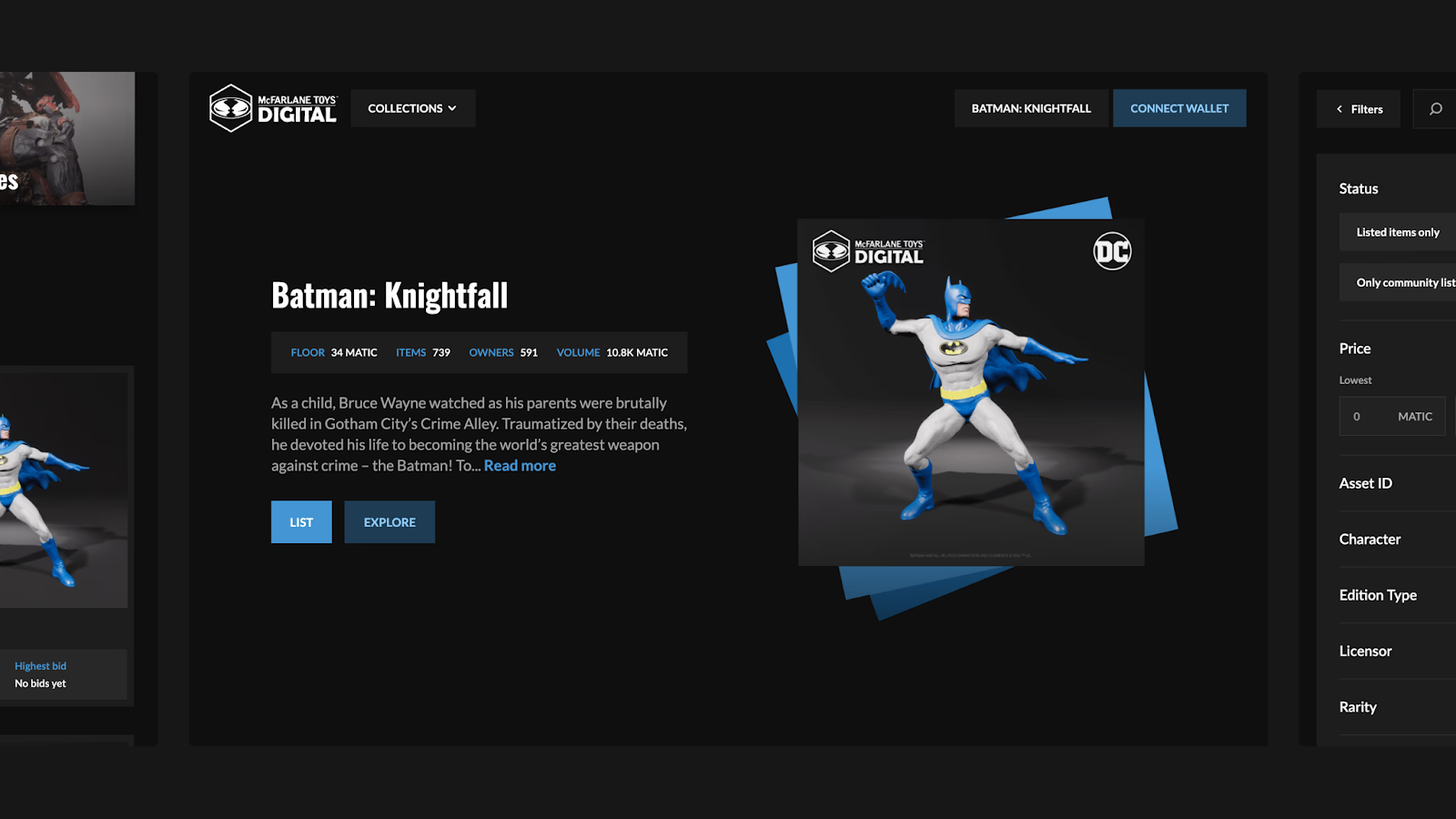
Similarly, McFarlane Toys launched a custom digital collectibles marketplace powered by infrastructure designed to operate on the Polygon blockchain. Bringing their renowned character designs and collectibles onchain allowed the company to introduce its intellectual property to a brand-new digital audience while simultaneously offering existing physical collectors an innovative, interactive way to engage with their favorite franchises.
Other sectors, including professional sports organizations like the National Football League, have similarly utilized gamified digital drops to maximize the reach of their intellectual property online. By turning team milestones and historical moments into collectible digital assets, sports franchises create interactive experiences that keep fans engaged during both active seasons and off-seasons alike.
Providing Secure Infrastructure for Brand Expansion
Bringing established intellectual property into the digital realm must feel like a natural extension of a brand’s heritage rather than an unnecessary risk to its reputation. To achieve this balance, specialized technology partners provide the underlying infrastructure necessary to launch digital collectible experiences under the brand’s own terms and conditions.
This approach ensures that whether a corporation is testing the waters with its first limited-edition drop or developing a comprehensive, long-term digital product strategy, the execution remains secure, compliant, and closely aligned with the corporate identity.
Ultimately, organizations that have spent decades building recognizable brands and culturally significant intellectual property now possess the technological tools required to extend that value into the digital landscape. Digital collectibles serve as more than just a technological exercise; they provide audiences with novel ways to connect, collect, and actively participate in the ongoing story of the brands they support. As the digital economy matures, the integration of proprietary IP into virtual ecosystems offers a clear pathway for sustained cultural and commercial relevance.





Comments (0)