


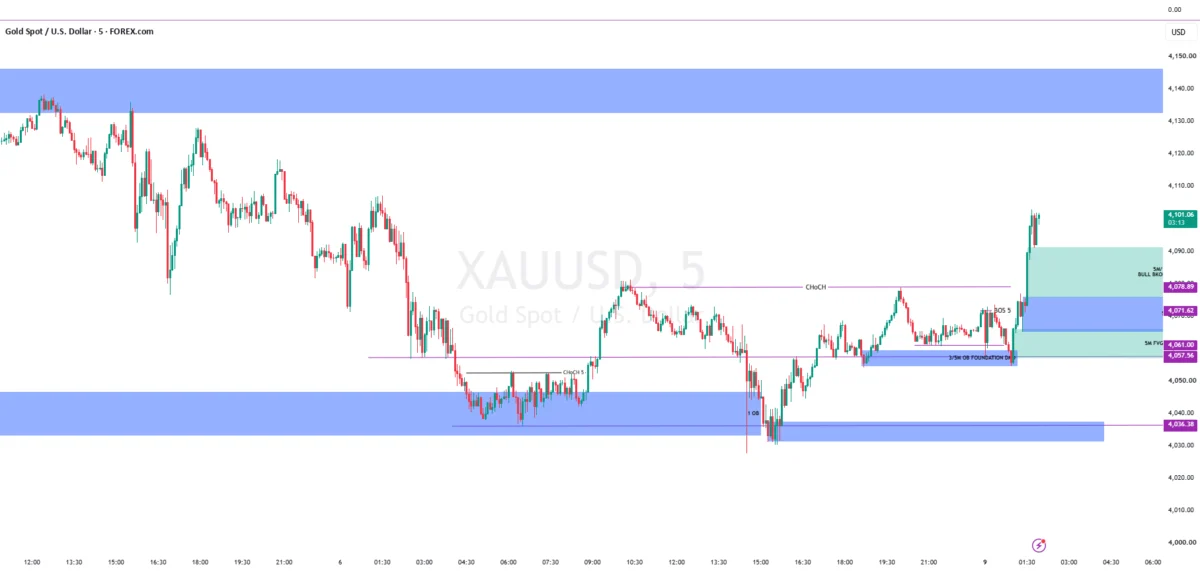
In the fast-paced world of modern financial markets, traders and analysts constantly seek robust methodologies to decipher price action, identify institutional footprints, and time their entries with precision. Among the myriad strategies utilized by retail and professional market participants alike, concepts centered around liquidity sweeps, session extremes, and market structure shifts have garnered significant attention. Authored by market analyst Festus Oyefusi, a recent insight shared within the trading community sheds light on how specific price behaviors during early trading hours can set the stage for high-probability setups later in the session.
The core premise of the analysis revolves around the behavior of price relative to the boundaries established during the Asian trading session. Often characterized by tighter ranges and consolidated price action compared to the subsequent London and New York sessions, the Asian session serves as a crucial baseline for many intraday strategies. According to Oyefusi’s framework, the high and low established during these early hours—referred to respectively as the Asian High (AH) and the Asian Low (AL)—act as magnetic zones where significant liquidity pools tend to rest. Institutional players and algorithmic execution models frequently target these predefined levels to capture resting stop-loss orders before initiating larger directional moves.
Understanding the mechanics of a buy confirmation within this analytical framework requires a close examination of how price interacts with the upper boundary of the Asian range. When market participants observe price sweeping above the Asian High, it often signals a liquidity grab or stop hunt. Many breakout traders who entered short positions prematurely might have their stop-losses clustered just above this high, while breakout buyers might pile in, mistakenly assuming a sustained upward trend is beginning. However, rather than continuing higher, a genuine reversal pattern often unfolds. Price rejects the higher levels, reverses course, and breaks a key internal swing point, creating what is known in modern technical analysis as a bullish Market Structure Shift (MSS). This structural break signals a sudden change in momentum from bearish or consolidating to bullish, offering market participants a potential buy entry once the shift is confirmed.
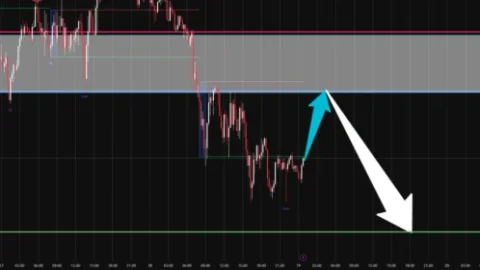
Conversely, the mechanics governing a sell confirmation operate on an identical yet inverse logic, focusing on the lower boundary of the Asian range. When price sweeps below the Asian Low, it similarly triggers a wave of liquidity. Stop-losses belonging to long positions or breakout sellers chasing the downward momentum are typically sitting underneath this threshold. Once these resting orders are absorbed, the market often experiences a swift rejection. Price reverses upward temporarily before breaking a key structural low, thereby creating a bearish Market Structure Shift. This structural deterioration indicates that sellers have regained control of the order flow, presenting a potential sell entry for traders seeking to align themselves with the newly established bearish momentum.
The insights provided by Oyefusi fit into a broader ecosystem of analytical tools frequently discussed across financial platforms like TradingView, where contributors share methodologies ranging from Multiple Time Frame Analysis and seasonality studies to classic supply and demand dynamics. By contextualizing intraday moves within the framework of broader structural shifts and session liquidity, market participants can better filter out market noise and focus on critical inflection points where institutional liquidity is most likely to be engaged.
As with any technical approach in the financial markets, these concepts are discussed within a strictly educational and analytical context. Platforms that host such insights routinely emphasize that the information and publications provided by contributors are not meant to be, and do not constitute, financial, investment, trading, or other types of advice or recommendations supplied or endorsed by the platform operators. Traders exploring strategies involving market structure shifts and session liquidity sweeps are continually reminded to consult official terms of use and exercise rigorous risk management, as market conditions remain inherently fluid and unpredictable.

Comments (0)