


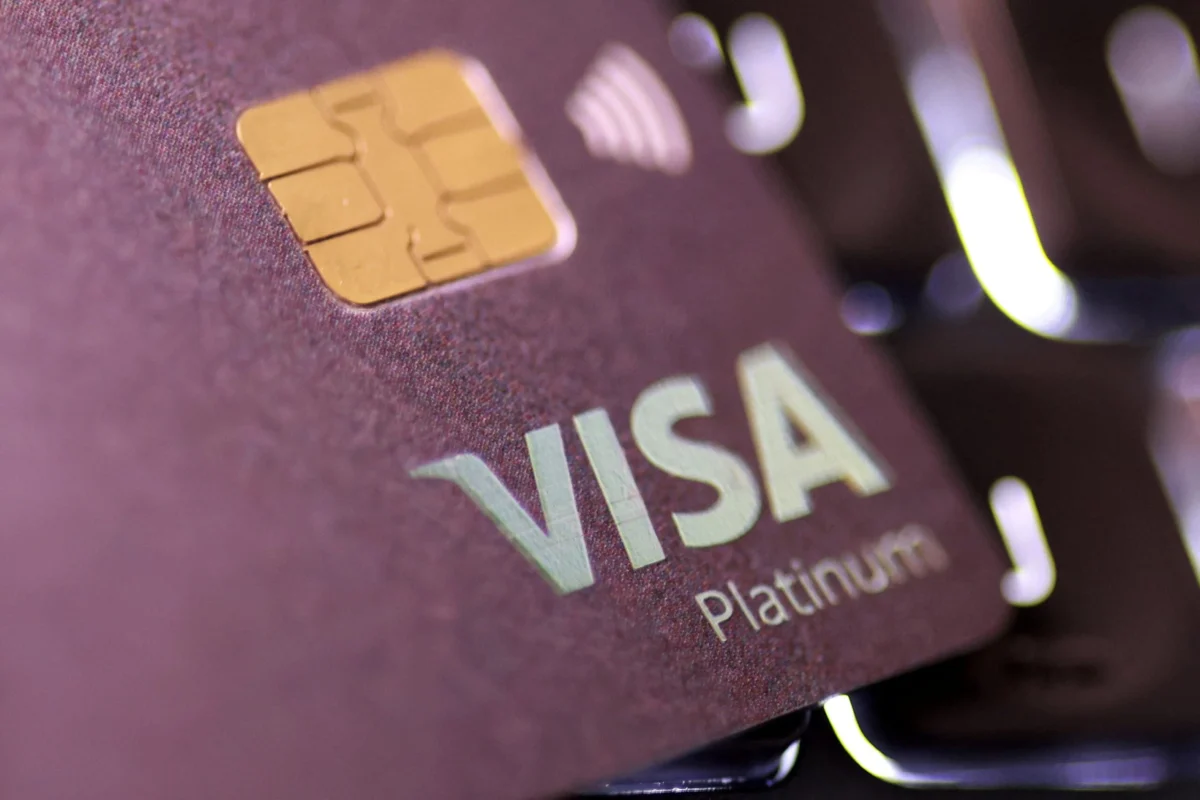
BEIJING — U.S. credit card giant Visa announced on Tuesday that it has received formal approval from the People’s Bank of China (PBOC) to establish a bank card clearing business within the country. The landmark decision opens the door for the global payments leader to tap directly into the lucrative domestic consumer market of the world’s second-largest economy.
The announcement arrives at a pivotal diplomatic juncture, coinciding with preparations by U.S. and Chinese leaders for their third bilateral meeting of the year. The timing has drawn intense scrutiny from geopolitical analysts and market watchers alike, who view the regulatory green light as a calculated gesture of goodwill from Beijing ahead of high-level diplomatic engagements.
"This marks an important milestone toward the company serving China’s domestic payments market," Visa said in an official statement detailing the regulatory breakthrough.
The approval represents the culmination of years of strategic lobbying, diplomatic dialogue, and meticulous compliance efforts by Visa leadership. For decades, the company has operated in a supporting role within the region, navigating a strictly controlled financial environment that historically favored domestic state-backed entities.
"For more than 40 years, Visa has been an active contributor to China’s dynamic payments landscape," said Visa CEO Ryan McInerney. "We look forward to taking the necessary steps in the process, pursuant to the PBOC’s regulations, to begin operating domestically in China."
McInerney’s active engagement with Chinese officials has played a central role in the company’s recent progress. The Visa CEO joined U.S. President Donald Trump’s high-profile business delegation to Beijing in May, a summit that brought together leading American corporate executives and Chinese policymakers. Following that visit, McInerney assumed the role of chair of the U.S.-China Business Council in June, further cementing his position as a key bridge between American commerce and Chinese regulatory authorities. He subsequently led an annual board delegation trip to Beijing in early September to continue discussions regarding market access and financial sector cooperation.
Industry experts have been quick to highlight the geopolitical context surrounding the central bank’s decision.
"The timing is notable," said George Chen, partner and chair of digital practice at The Asia Group. "Beijing chose to approve Visa’s license just ahead of the APEC Leaders’ Meeting in Shenzhen next month, where Xi [Jinping] and Trump are expected to meet again."
Chen added that the move strongly suggests Beijing is keen to demonstrate tangible progress and economic openness toward American businesses before the U.S. president’s next visit to China. The dynamic underscores how major financial licensing decisions in China remain deeply intertwined with broader bilateral relations and trade negotiations at the highest levels of government.
Political pressure has also played a role behind the scenes. Following his trip to Beijing in May, President Trump told Fox News in an interview that he personally brought up Visa’s pending request to gain full market access in China during his discussions with Chinese leadership. The diplomatic push appeared to bear fruit later in the autumn. Following the presidential summit in September, the Chinese government publicly announced that it would approve applications from all qualified foreign financial institutions seeking to operate comprehensive financial services within the country.
Entering a Closed and Competitive Market
For decades, mainland China has maintained a tightly guarded financial sector. Beijing has historically favored domestic market players while strictly restricting cross-border capital flows to maintain monetary stability and control over the national economy.
Visa’s path to this week’s announcement has been long and deliberate. The company originally filed its formal application with the People’s Bank of China in May 2020, seeking permission to operate a domestic bank card clearing institution. While awaiting regulatory approval, Visa maintained a limited presence by partnering with Chinese domestic banks to issue dual-branded cards. Under this cooperative framework, China’s state-backed UnionPay network processed transactions originating within domestic borders, while Visa handled overseas payments. The partnership model allowed the U.S. firm to maintain brand visibility and operational ties within the region. Earlier this year, in January, Visa announced that mainland China-issued cards could be successfully linked to Apple Pay, giving local cardholders a more convenient and secure payment experience when traveling or making international purchases.
With Tuesday’s approval, Visa follows in the footsteps of its major U.S. competitors, which have gradually gained entry into the previously impenetrable Chinese payments ecosystem over recent years.
Rival financial giant Mastercard achieved a major milestone when its Chinese joint venture announced it had started processing its first domestic transactions in 2024. Mastercard’s breakthrough came after it received official approval from the PBOC to begin bank card clearing preparations in February 2020.
American Express was the true pioneer among foreign card networks, making history when it received its operational processing license in June 2020. That clearance followed an initial policy nod from the PBOC all the way back in 2018, establishing American Express as the first foreign card network permitted to clear transactions in local currency within mainland China.
Despite these regulatory breakthroughs, foreign credit card companies entering the market face an entrenched and highly digitized payments landscape. Mobile payment platforms currently dominate daily consumer transactions across China, deeply woven into the fabric of everyday commerce. These domestic transactions are overwhelmingly facilitated by Tencent’s ubiquitous WeChat Pay and Alibaba-affiliate Ant Group’s Alipay.
As Visa prepares to build out its domestic clearing infrastructure under PBOC regulations, the company will look to carve out a viable market share among affluent travelers, corporate accounts, and international businesses, even as it navigates a retail environment dominated by domestic digital wallets.





Comments (0)