


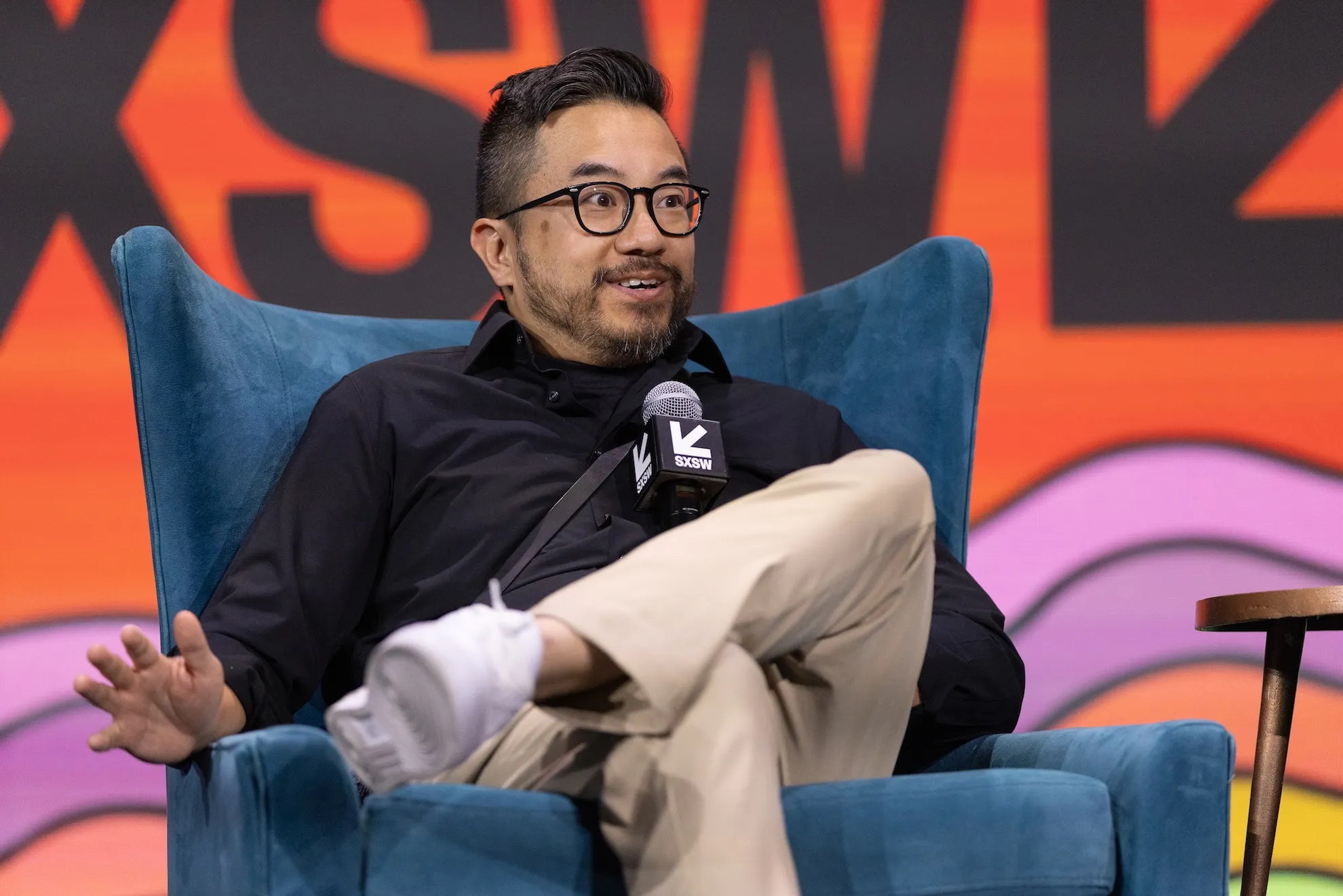
Y Combinator CEO Garry Tan has frequently joked in the past about suffering from what he playfully calls “cyber psychosis,” admitting that he barely sleeps because he is so relentlessly energized by working alongside his artificial intelligence agents. Now, as the technology continues to evolve at a breakneck pace, Tan has attached a concrete price tag to that profound technological obsession.
During an upcoming episode of Walter Isaacson’s podcast, The Builders, set to be published on Tuesday, Tan revealed the staggering financial investment he makes to fuel his day-to-day interactions with AI. “I spend about maybe $100,000 to $200,000 a year on tokens,” he told Isaacson. This substantial expenditure powers a vast array of autonomous agents that assist Tan with countless work projects, complex coding tasks, and day-to-day logistical management. His hands-on approach goes far beyond mere experimentation; Tan has even openly shared his custom set of 23 Claude Code skills, collectively known as “gstack,” on GitHub. According to the tech executive, sharing these tools is part of a broader effort to help educate others on what modern AI agents are truly capable of achieving.
Tan’s use of AI spans a broad spectrum of personal and professional domains. On one hand, he utilizes his agents in ways that many knowledge workers are rapidly becoming familiar with—such as conducting background research to help him prepare for discussions, including preparing for Isaacson’s podcast and anticipating the types of questions he might be asked. On the other hand, however, Tan’s integration of AI goes much deeper, with agents actively helping him navigate and organize his personal life.
The depth of access he grants his AI tools is striking. “It’s read all of my email and all of my Dropbox,” Tan told Isaacson during the podcast recording. “It’s read, like, all of my Apple Notes, even my therapy notes going back 20 years.”
Describing the experience of working with advanced AI agents, Tan likened it to having a constant, highly personalized companion. He compared the dynamic to having a “Jiminy Cricket on your shoulder at all times.” In Tan’s view, a mature AI agent is something that understands you intimately, is perpetually present to help, and actively looks ahead on your behalf. “Like, almost anything you want to do, it knows you, and it’s there to help,” he explained. “And it will actually sort of run ahead and say, ‘What about this?’ Or, it’ll help you see around corners.”
As an early adopter of OpenClaw who has since transitioned into a true power user, Tan has accumulated unique insights into how human beings interact with intelligent software. One of the most important lessons he has learned, he noted, is that users must actively avoid treating AI agents like traditional software programs. He observed that some people become so intensely preoccupied with predictability, repeatability, and rigid safety measures that they inadvertently strip away all the most vibrant and useful parts of working with an AI. These agents, Tan emphasized, can behave in ways that are remarkably similar to humans, and forcing them into overly constrained boxes diminishes their potential utility.
This philosophy is increasingly bleeding into the operational core of Y Combinator itself. Tan revealed that the prestigious Silicon Valley startup accelerator is currently deploying an internal agent that is actively reshaping how the organization functions. Y Combinator now utilizes an internal AI agent named Stray Light. According to Tan, the agent possesses a distinct personality alongside a comprehensive “company brain.” This setup grants Stray Light total contextual awareness of every startup founder YC has ever backed, every individual who has ever emailed the organization, and the complete archive of accelerator applications.
Given his position running the premier startup accelerator in the heart of Silicon Valley, Tan’s unbridled enthusiasm for bleeding-edge technology comes as no surprise. Yet, even as an avowed tech optimist, he believes that personal AI agents will only truly become mainstream if one major systemic hurdle is successfully overcome: the cost of running them must come down significantly.
“It’s too expensive right now,” Tan acknowledged during the interview, explicitly recognizing that the six-figure sum he pours into tokens each year represents an extreme financial luxury. He admitted that the sheer amount of money he spends on AI agents is “a crazy privilege that not everyone can do.”
At the same time, Tan remains skeptical that the eventual solution will be found in free, ad-supported AI agents controlled entirely by major technology conglomerates. Discussing the broader trajectory of the tech industry and reflecting on how powerful social media entities like Meta have historically shaped modern society and human behavior, Tan expressed caution about centralized digital power.
“This is a huge company that controls the algorithm, and we all wish that they didn’t at some level,” Tan said, pointing toward an alternative future for consumer technology. “So you could imagine a personal AI that you control, that you program.”





Comments (0)