


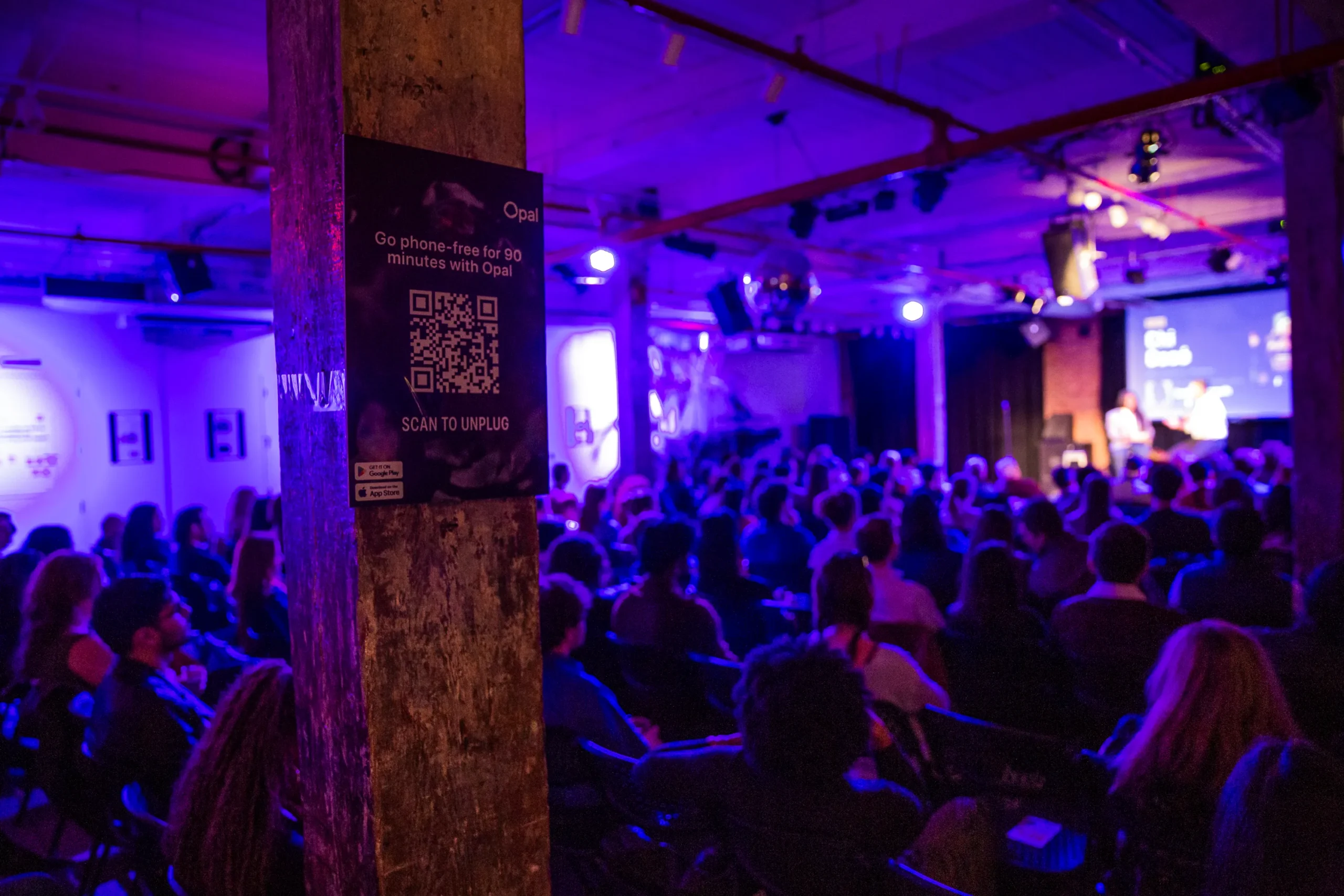
Yet, despite the carefully curated panels on attention spans and midterm forecasts, an unmistakable undercurrent dominated nearly every conversation in the room: artificial intelligence, physical data centers, and a rapidly intensifying backlash against the growing technocracy.
For a technology reporter immersed daily in Silicon Valley’s hyper-ambitious bubble, the event served as a sharp and startling reality check. Inside the tech sector, builders are so relentlessly focused on the perceived benefits and inevitable success of AI that it becomes easy to forget how aggressive, overwhelming, and alienating the movement appears to the outside world. Beyond the tech echo chamber, the massive expansion of data centers has transformed into a fierce ballot-box issue, carrying enough political weight to potentially sway several critical midterm races.
The scale of this friction is reflected in industry data. A recent report from Data Center Watch revealed that nearly $200 billion worth of data center projects were delayed, stalled, or outright blocked in the first half of the year alone, driven heavily by mounting political resistance and organized community opposition. States across the country—including Pennsylvania, Georgia, Texas, New York, and Virginia—are rushing to implement stricter regulatory guardrails, transparency laws, and zoning constraints. Virginia, already widely recognized as the data center capital of the world, faces hundreds of new proposed facilities, heightening local tensions.

The evening’s programming captured this growing ideological chasm. During a fireside chat preceding the data center panel, New York City Council member Chi Ossé addressed the crowd. While Ossé noted that he rarely uses AI himself, his message was less about techno-pessimism and more about accountability. Describing himself as a "law and order" democratic socialist, Ossé argued that trillionaires like Elon Musk should face heavier taxation and that tech executives championing a technology capable of profound societal disruption should be routinely called to testify before Congress.
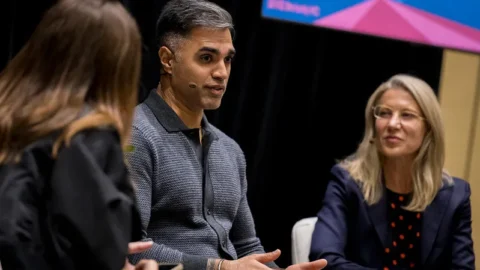
That skepticism set the stage for the panel on data centers, moderated by the evening’s host alongside technology and human rights researcher Maia Woluchem and environmental public health advocate Hilary Flint. Stepping up to the microphone, the moderator tested the room with a straightforward question: "Who here is pro-AI data center?" The prompt was met with immediate, unmistakable boos from the crowd.
The ensuing discussion unpacked a wave of public frustration. Communities across the nation are growing increasingly angry over reports that major technology companies are securing secret non-disclosure agreements with local officials to push through billion-dollar infrastructure projects. Vague zoning regulations often prevent residents from realizing what is being constructed in their neighborhoods until it is far too late to mount an effective protest.
At the same time, everyday citizens grappling with high costs of living and shrinking economic security view the tech elite’s grand visions of AI replacing human labor—or even threatening human civilization itself—with deep alarm. Residents feel a profound loss of agency over their local environments, alongside acute worries regarding environmental degradation, heavy water usage, and looming health risks. Panellists agreed that massive data centers have effectively become the physical, tangible embodiment of widespread public anxiety and resentment toward the tech class.

Addressing the economic arguments often used to justify these massive builds, Flint challenged the notion that short-term economic gains outweigh long-term community survival. "What is a life worth?" Flint asked, pointing out that citizens continue to protest because they value their health and communities far above a temporary municipal check.
A subsequent panel featuring NewsNation host Batya Ungar-Sargon, political strategist Morris Katz, and Vox’s Astead Herndon was ostensibly convened to discuss the future of the Democratic Party, but the conversation inevitably circled back to the shadow of Big Tech infrastructure. Ungar-Sargon pointed out that certain labor unions support data center construction due to the promise of initial employment, even though studies consistently show that these jobs drop off sharply once the heavy construction phase concludes.
Drawing a parallel to the industrial era, Ungar-Sargon noted that while Rust Belt communities historically took immense pride in large, imposing industrial buildings because they guaranteed lifelong stability and a stake in the American Dream, modern data centers offer no such enduring social contract.
Herndon echoed these sentiments, noting that similar points raised by political figures in industrial states have frequently been met with hostile public reactions, highlighting a systemic lack of consent among everyday citizens. Katz offered an even sharper critique, describing the tech expansion as an extension of the same institutional forces that have historically undermined organized labor and working-class prosperity, returning now to absorb whatever local resources remain.

Along the warehouse walls, handwritten sticky notes left by attendees posed anxious questions about the influence of corporate wealth in politics, with one blunt response reading, "God, I hope so."
As the formal panels concluded, techno music began to pulse through the warehouse as attendees flooded the bar and broke into smaller conversational circles. Reflecting on the evening, Jack Brewster admitted he was struck by how thoroughly AI and data center infrastructure dominated the discourse.
"It came up in every conversation on stage, and it was the second most common topic in the questions people sent us when they RSVP’d," Brewster noted, emphasizing that the phenomenon has firmly taken root even in urban centers like New York, where physical data facilities are largely invisible. "AI has become an election issue for regular voters. In rural communities, the backlash is about feeling replaced. In a place like Brooklyn, it’s more about who gets rich from it."
Before heading out into the night, conversations drifted toward the broader cultural fatigue surrounding generative technology. Several attendees noted that the ubiquitous rise of AI-generated art and deepfakes has begun to signal cheapness and lack of authenticity, prompting a noticeable counter-trend among elite consumer brands. Prada’s latest holiday campaign features hand-drawn illustrations, while luxury houses like Hermès continue to spotlight traditional, handmade artist work across social media.

Conversations with other attendees revealed just how far-reaching these concerns have become. One software engineer recounted stories of data centers quietly emerging in her Southern California hometown—a community with a deep-rooted immigrant history where local residents have begun posting yard signs depicting stylized dragons choking data centers, complete with translations across multiple languages. Standing in the Brooklyn warehouse, the shared realization was clear: the friction between rapid technological advancement and community preservation is no longer confined to Silicon Valley boardrooms or isolated policy papers; it has arrived squarely on the front porch of everyday American life.

Comments (0)