


As the global financial markets wind down for the year amid holiday closures and a seasonal lull, digital asset investors are taking a moment to step back, review the tumultuous landscape of 2025, and recalibrate their positioning for 2026. While traditional equity benchmarks and major cryptocurrencies have experienced varied trajectories over the past twelve months, the overarching theme of the year has been a stark divergence between traditional safe-haven commodities and the decentralized finance (DeFi) sector.
During the holiday week, trading volumes across the board have remained remarkably muted. Traditional financial markets were closed for the holiday, and major cryptocurrencies like Bitcoin experienced minor downward pressure, slipping approximately 0.4% on thin liquidity. This quiet price action offers a timely window to examine the macroeconomic forces that shaped 2025 and to evaluate where market opportunities may lie as the industry looks ahead to the coming year.
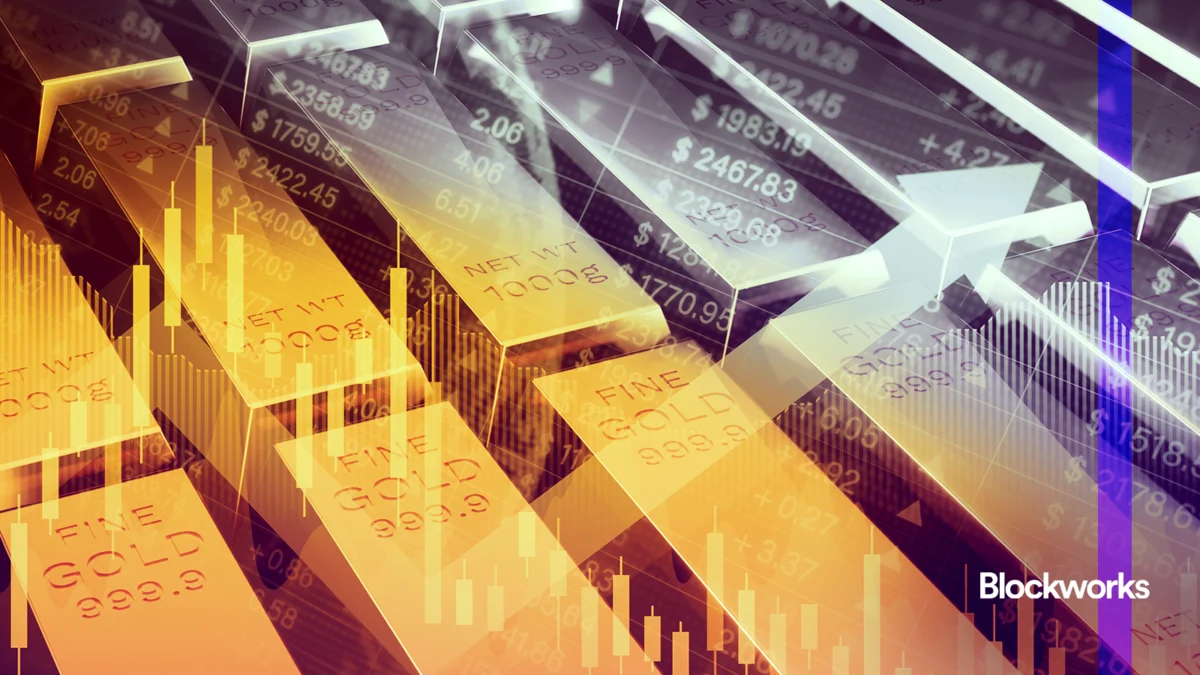
One of the most striking developments of 2025 has been the historic outperformance of precious metals compared to both traditional equities and digital assets. While Bitcoin has faced headwinds and underperformed broader stock market benchmarks this year, its relative performance against gold and silver is even more pronounced. In hindsight, precious metals will undoubtedly be remembered as the standout asset class of 2025—a surprising outcome that few analysts would have predicted with such conviction at the start of the year.

Gold is currently having its best calendar year since 1979, delivering an extraordinary performance that has caught the attention of institutional and retail investors alike. Year-to-date, the precious metal is up roughly 72%, recently breaking out to decisive new all-time highs above $4,500 an ounce. Macroeconomic uncertainties, persistent inflationary pressures, central bank buying, and geopolitical tensions have all converged to drive unprecedented demand for physical bullion and gold-backed financial products.
However, silver has managed to outshine even its yellow counterpart. Silver prices have rallied by nearly 160% year-to-date, with a staggering 45% surge occurring within the past month alone. The white metal reached a record-breaking valuation of approximately $75 an ounce, underscoring a massive squeeze and a profound reallocation of capital into hard assets as investors sought refuge from currency debasement and market volatility.
In stark contrast to the historic bull run witnessed in commodities, the decentralized finance sector has endured a grueling period of consolidation and downward pressure. Many quality DeFi governance and utility tokens are currently trading near multi-year lows. This depressed valuation environment persists even as the underlying fundamentals, protocol usage, and forward-looking growth metrics of these platforms remain robust and expanding.

Market observers note that the disconnect between depressed token prices and healthy protocol fundamentals highlights a broader structural evolution within the crypto economy. Specifically, value capture within blockchain ecosystems has begun to shift decisively away from base-layer infrastructure and toward applications.
A prime example of this dynamic can be observed on Solana, where application-layer protocols are now generating approximately three times the revenue produced by the underlying network infrastructure itself. This shift indicates that end-users are actively engaging with decentralized applications—ranging from decentralized exchanges and lending markets to specialized financial tooling—creating sustainable revenue streams at the application layer.
As market participants pivot their focus toward 2026, the central question facing investors is whether, and precisely when, market valuations for liquid tokens will begin to reflect this new reality. With quality DeFi assets sitting at depressed multi-year valuations despite generating strong fundamental revenue, analysts suggest that the coming year could present compelling opportunities for selective capital deployment. Whether the broader digital asset market can close the gap with the historic momentum seen in commodities like gold and silver will depend largely on how quickly capital begins rotating back into application-driven crypto ecosystems.



Comments (0)