


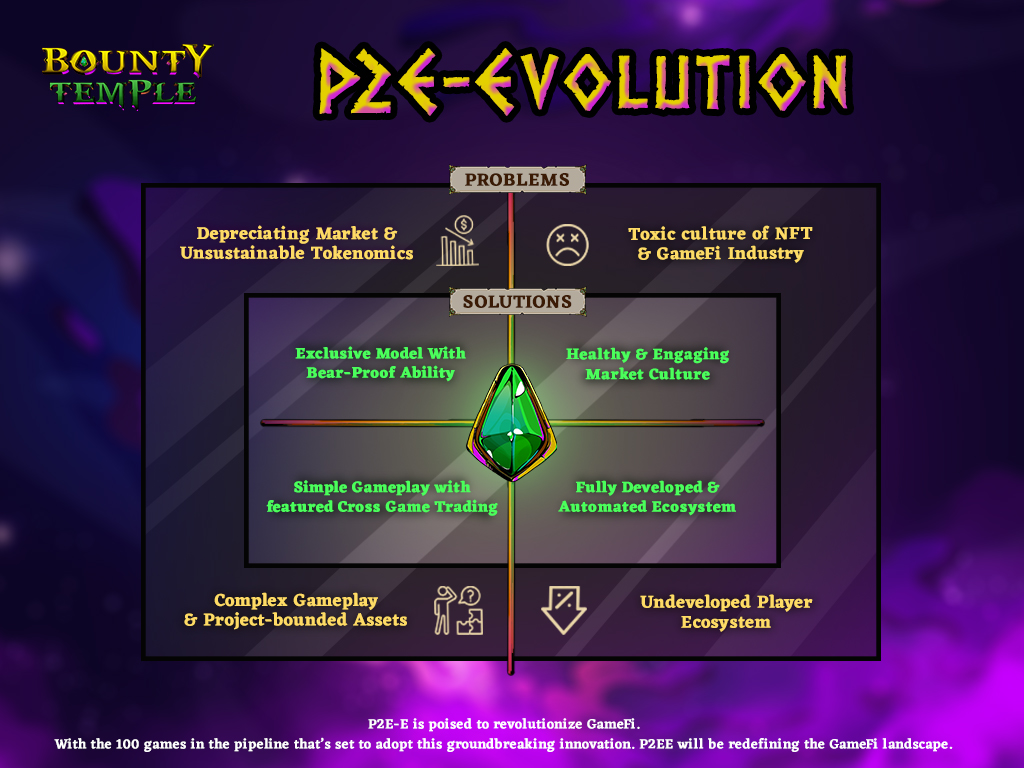
The early days of the blockchain gaming sector introduced immense promise alongside significant growing pains. Complex token systems, confusing mechanics, and a heavy reliance on short-term financial speculation frequently left players burned and communities fragmented. As the industry matures, however, a new paradigm is steadily emerging to address these structural flaws. Known as Play-to-Earn Evolution, or P2EE, this model shifts the focus away from speculative hype and toward sustainable engagement, fairness, and long-term ecosystem health. At the forefront of this shift is Bounty Temple, a project aiming to redefine how blockchain-based games operate, supported by major platforms like Rarible.
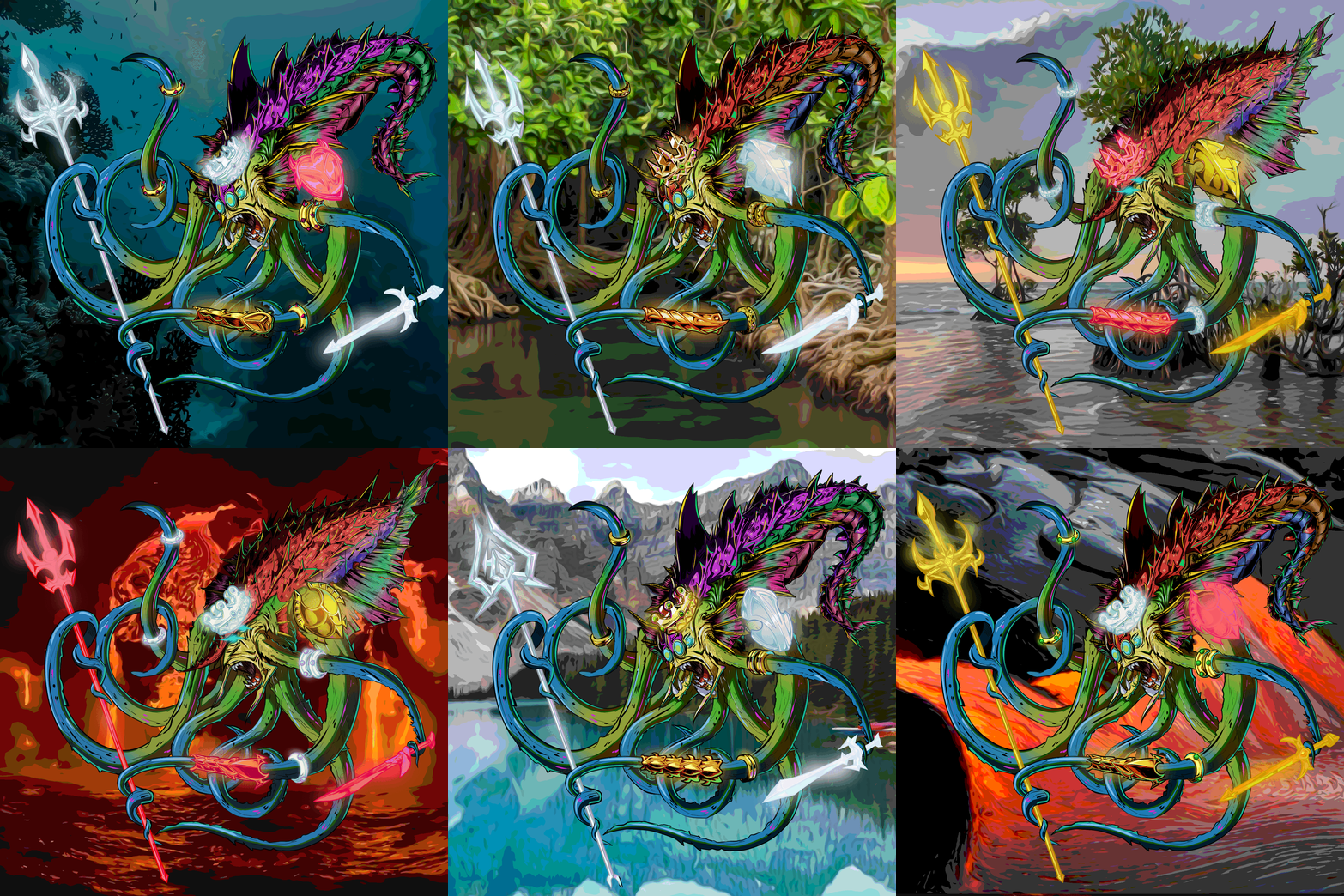
Highlighting this collaboration, the Bounty Temple K-Runes Box officially launched today as a blind mint on Rarible.com. Each K-Rune carries unique traits and is designed to be fully utilized directly within the game ecosystem. For platforms like Rarible, showcasing projects that look past fleeting market trends to build for the long haul remains a core priority. Bounty Temple has positioned itself squarely within that category, offering a compelling glimpse into how sustainable Web3 gaming architecture might function in the years ahead.
Finding a New Path in GameFi
Despite its initial wave of innovation, early GameFi suffered from systemic vulnerabilities that ultimately led to widespread player fatigue and mass drop-offs. Unstable in-home economies, speculation-driven cultures, steep onboarding barriers, and shallow progression systems plagued many first-generation titles. These underlying challenges meant that numerous projects simply could not sustain interest, let alone scale effectively when market conditions shifted.
Bounty Temple’s adoption of the P2EE model fundamentally flips this traditional script. By prioritizing long-term interaction, robust game mechanics, and deliberate pacing, the project seeks to establish an environment where fairness, accessibility, and meaningful progression take precedence over immediate financial rewards. This structural realignment is designed to protect players from the boom-and-bust cycles that previously defined the sector, fostering a healthier and more resilient gaming community.

Gameplay Comes First
At its core, Bounty Temple is built around a simple yet strategic player experience tailored to fit comfortably into a daily routine rather than demanding an all-consuming time investment. Players can dive into dungeons, make consequential tactical decisions, and achieve tangible progression within concise fifteen-minute sessions. This design philosophy ensures that gaming remains an engaging pastime without overwhelming participants or leading to rapid burnout.
To ensure a welcoming environment for newcomers, the platform incorporates built-in protections that ease the initial learning curve, preventing new participants from feeling instantly outpaced by veteran players. Furthermore, the overall experience evolves organically through periodic content updates, including specialized minigames, unique challenges, and community-driven events. This steady stream of fresh content maintains engagement without introducing unnecessary complexity or alienating casual users. Ultimately, the emphasis is placed on cultivating a vibrant player community that values individual skill, collective creativity, and genuine human connection over relentless grinding.
Systems Built for Longevity
The architecture of P2EE relies heavily on thoughtful progression loops designed to keep players invested without depending on artificial scarcity or exhausting grind mechanics. Crafting systems, item forging, and participation in seasonal events are carefully paced to encourage sustained play while mitigating the psychological pressure associated with fear of missing out, commonly known as FOMO. New features and limited-time content are introduced gradually, creating a more relaxed and sustainable rhythm for the player base.
To maintain this delicate balance, Bounty Temple relies on two foundational economic mechanics: the Weather System and the Barrier Effect. The Weather System functions dynamically, adjusting in-home production rates to help stabilize the internal economy against inflationary or deflationary pressures. Meanwhile, the Barrier Effect provides new participants with a dedicated seventy-five-day grace window. This protective buffer allows newer players to fully explore the mechanics and features of the ecosystem without the immediate pressure of competing against long-established participants, ensuring a fair and equitable launch experience regardless of when someone decides to join.
Experience the K-Rune Mint
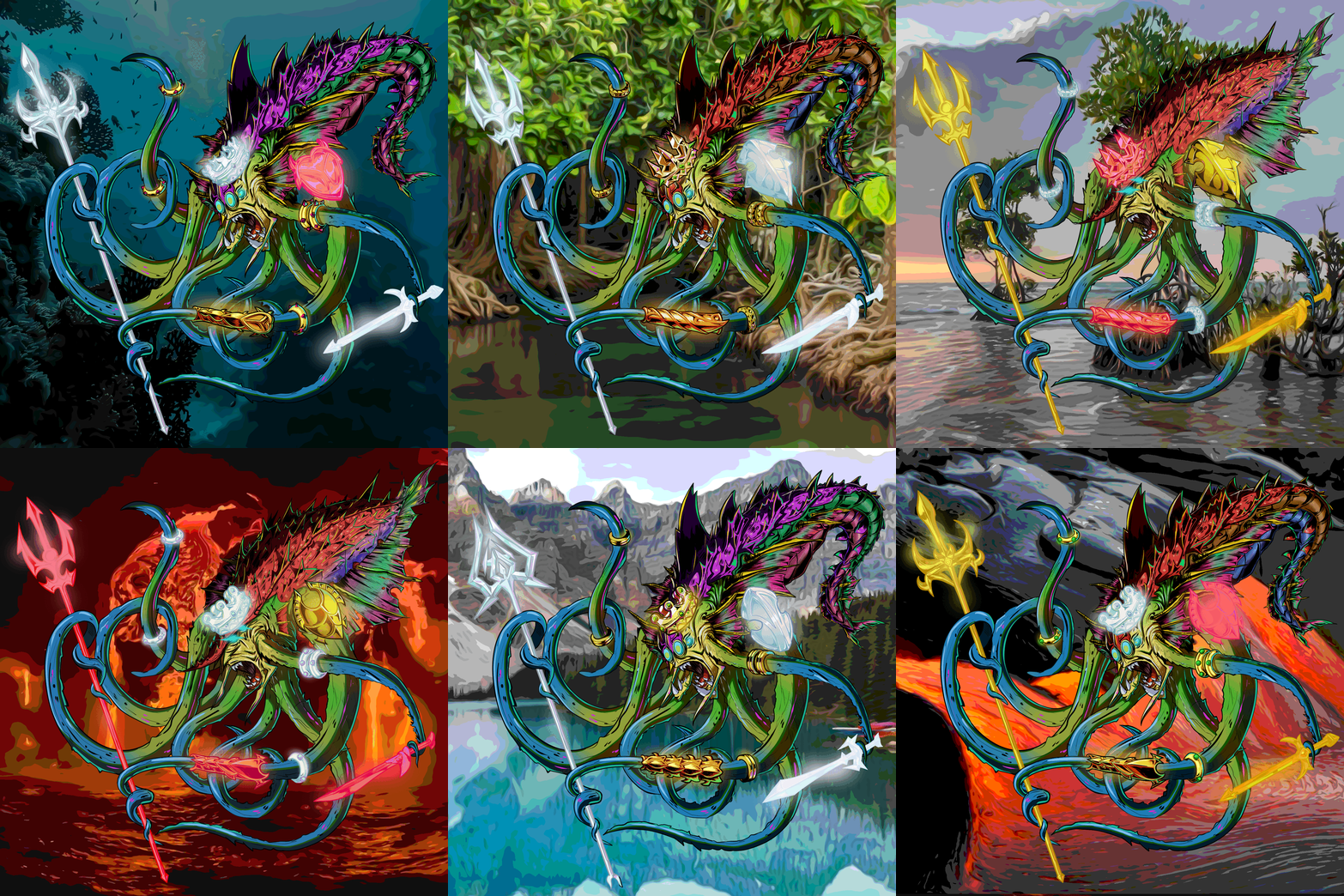
Central to accessing this ecosystem is the newly introduced K-Rune collection. Functioning as specialized digital collectibles, these assets serve as foundational access passes into the world of Bounty Temple. Each individual K-Rune unlocks distinct character features and expanded gameplay options, while also providing a randomized entry point that adds an element of discovery for participants.
Through these initiatives, Bounty Temple continues to chart a distinct course within the digital asset gaming space, focusing on a player-first philosophy capable of adapting to changing market landscapes over time. By uniting strategy, exploration, and community engagement under the banner of P2EE, the project offers a fresh perspective on what interactive blockchain gaming can achieve.
The K-Runes Box collection is currently minting on the Polygon network via Rarible.com, marking another milestone in the ongoing maturation of decentralized gaming infrastructure.

Comments (0)