


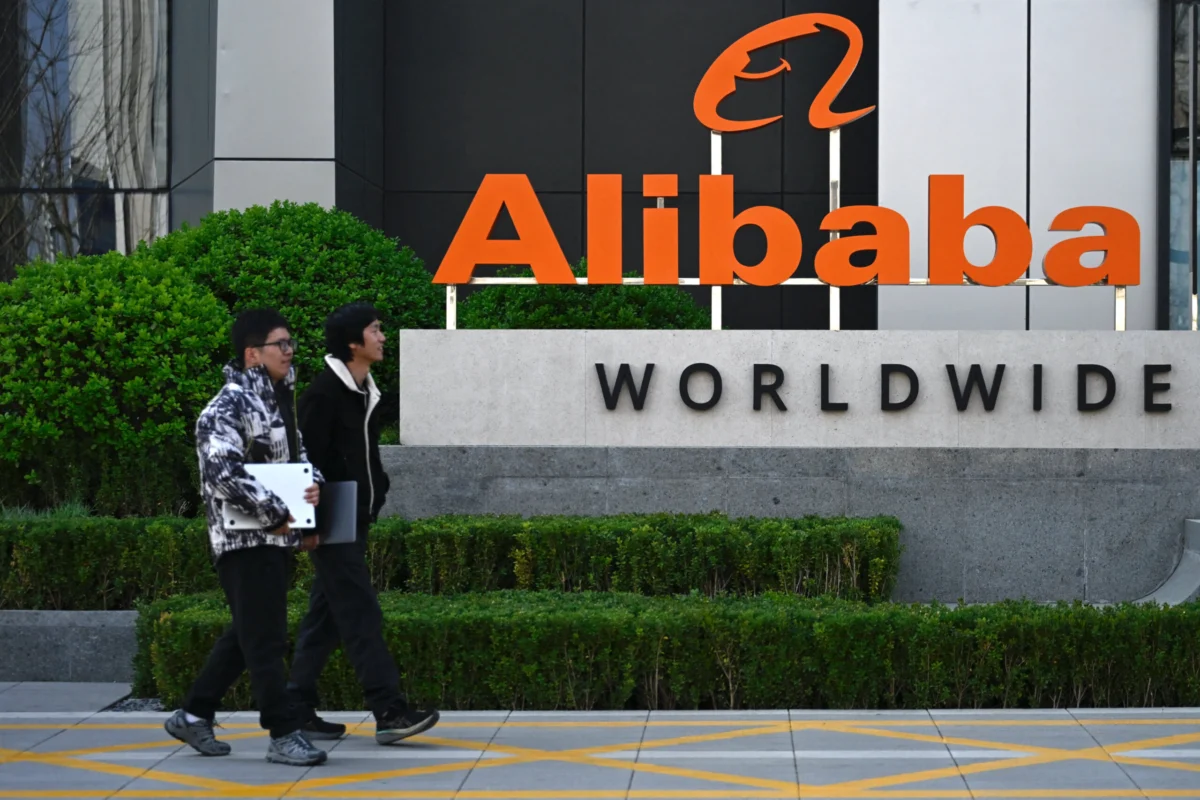
Regulatory filings submitted by the company did not immediately disclose a specific target date for the market debut or the proposed size of the listing. However, the regulatory disclosure did note that Alibaba had already submitted a confidential filing on September 11 to initiate the process of listing T-Head on the Hong Kong Stock Exchange. Financial markets reacted cautiously to the announcement on Wednesday morning. Hong Kong-listed shares of Alibaba traded roughly 1% lower during early morning sessions, extending a broader downward trend that has left the stock down by approximately 29% since the beginning of the year.
The progression of the T-Head spin-off comes at a time of intense activity and heightened ambition within China’s domestic semiconductor sector. In late September, Alibaba officially unveiled its next-generation artificial intelligence chip, designated the Zhenwu V900. According to the company’s technical roadmaps, the new processor delivers three times the raw computational performance of its predecessor, the Zhenwu M890, which had been released to the market earlier in May.
Alibaba is far from alone in its pursuit of domestic chip independence. The company operates as one of several major Chinese enterprises, including telecommunications giant Huawei, that are heavily investing in the development of homegrown semiconductors capable of powering advanced artificial intelligence workloads. These domestic efforts have taken on a heightened sense of urgency in response to tightening export controls and restrictions imposed by the United States, which have systematically limited China’s access to cutting-edge Western hardware and advanced microelectronics.
The friction surrounding global supply chains and restricted technology has drawn intense regulatory and investigative scrutiny. Earlier in May, short seller Culper Research published a detailed report alleging that Alibaba had managed to acquire restricted graphics processing units manufactured by Nvidia by indirectly financing third-party entities operating across Southeast Asia. Alibaba did not immediately respond to requests for comment regarding the short seller’s allegations when they were initially published.
Compounding the delicate geopolitical and regulatory atmosphere surrounding the tech sector, broader market sentiment has been rattled by separate controversies involving Nvidia. News reports detailing an alleged personal relationship between Nvidia CEO Jensen Huang and an alleged Chinese spy tied to one of those regional entities have weighed heavily on investor confidence. The resulting fallout has dragged Nvidia’s stock down to its lowest valuation seen since late March, creating a ripple effect that has pressured the broader United States stock market and cast a shadow over international technology valuations.
Despite the prevailing volatility across global equity markets and the technology sector, primary capital markets continue to see movement from major artificial intelligence pioneers. U.S.-based AI heavyweight Anthropic revealed in an updated regulatory filing submitted on Tuesday that it intends to offer 825 million shares in its highly anticipated initial public offering, establishing a preliminary price range between $70 and $78 per share.
People familiar with the transaction details indicated that trading for Anthropic’s shares on the Nasdaq exchange is expected to commence around November 19. These sources spoke on the condition of anonymity because they were not authorized to discuss the private details of the public offering publicly. The dual movement of Chinese semiconductor restructuring and American AI listings highlights the relentless pace of capital deployment across the global artificial intelligence landscape, even as underlying market conditions remain fragile.
Broader performance metrics show that Chinese technology stocks have frequently struggled to match the momentum and valuations of their U.S. peers. This divergence has persisted despite a wave of intense investor excitement last year surrounding major artificial intelligence breakthroughs achieved by Chinese startups like DeepSeek.
The cooling enthusiasm among public markets has begun to impact other high-profile domestic listings within China’s technology ecosystem. According to news reports published earlier this month, Baidu has reportedly chosen to delay the planned initial public offering of its semiconductor unit, Kunlunxin, which had previously been slated for the Hong Kong exchange. Similarly, Chinese memory chip manufacturer YMTC has also reportedly decided to put its own IPO plans on hold as weaker market conditions and heightened regulatory caution weigh on the sector. Neither Baidu nor YMTC immediately responded to requests for comment regarding the reported delays.
Over the past few months, financial regulators in China have noticeably increased their scrutiny regarding technology initial public offerings and the rapid influx of speculative capital into the semiconductor and robotics sectors. As regulatory oversight tightens and international trade tensions continue to reshape supply chains, companies like Alibaba are navigating a complex path to unlock the value of their specialized hardware divisions while adapting to a rapidly shifting global economy.





Comments (0)