


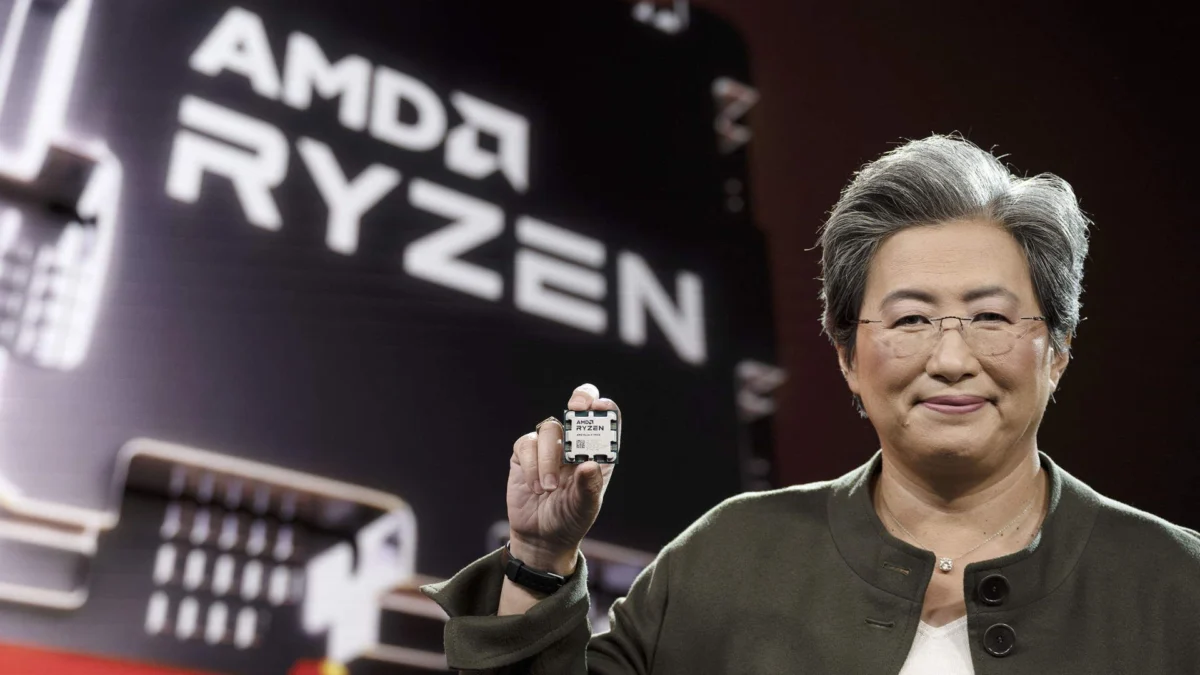
Advanced Micro Devices (AMD) has announced another milestone financial quarter, posting a massive $13 billion in revenue alongside a robust net income of $2.4 billion. The staggering figures underscore a remarkable trajectory for the semiconductor giant, which has steadily expanded its market share and financial footprint over the past several years under the leadership of CEO Dr. Lisa Su.
Looking ahead, AMD’s executive leadership expects the momentum to accelerate even further. Jean Hu, AMD’s Chief Financial Officer and treasurer, has projected that the company’s success will carry smoothly into the next period, forecasting revenue figures of approximately $17 billion for the upcoming fourth quarter. To put that projection into historical perspective, rival tech titan Intel has maintained relatively flat or slightly declining revenues, typically hovering around $15 billion to $16 billion per quarter.
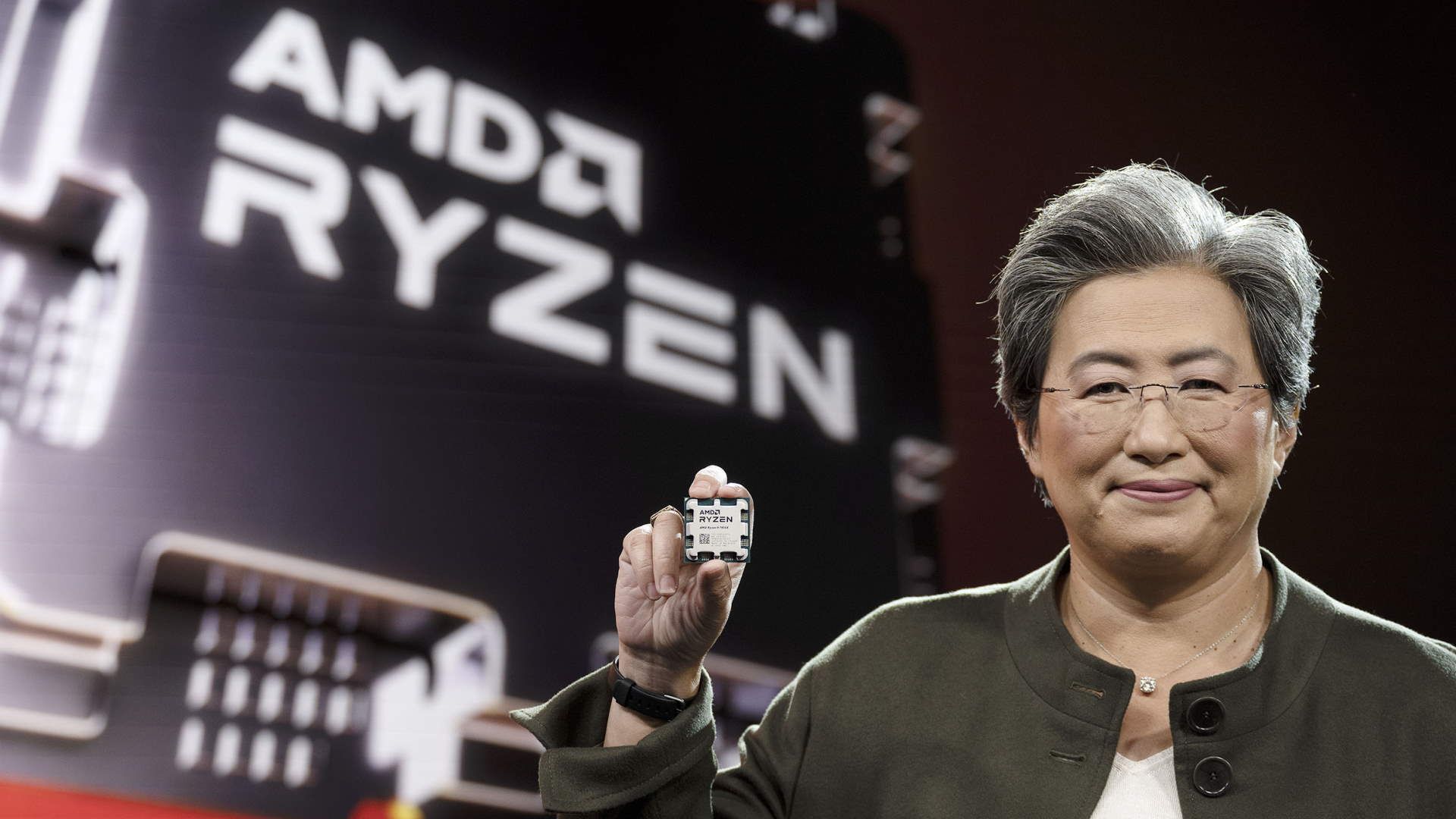
If AMD hits its ambitious Q4 target of $17 billion, it will mark a monumental turning point in the history of the semiconductor industry. For the first time in the recorded corporate history of both companies, AMD would generate a higher quarterly revenue figure than Intel. While Intel has historically dominated the x86 processor market with vastly superior revenue streams and manufacturing scale, the landscape has shifted dramatically over the last half-decade.
Translating this potential revenue milestone into net income leadership remains a nuanced financial question. Whether AMD’s projected $3 billion revenue increase will push its net income past Intel’s current baseline of around $3 billion remains to be seen, though industry watchers note the race will be exceptionally close. However, market analysts emphasize that raw net income figures tell only part of the story regarding long-term corporate health.
AMD has maintained consistent profitability since 2018, demonstrating remarkable financial stability. In stark contrast, Intel has weathered severe financial turbulence. Most notably, Intel reported a staggering $18.7 billion loss for the full 2024 fiscal year, during which AMD posted a profitable $1.6 billion. Although Intel has since managed to return to profitability following a punishing period marked by a collapsing stock price and supply chain headwinds, the overall balance of power in the processor market has fundamentally altered.

The sheer scale of AMD’s current financial standing becomes even more pronounced when viewed against the backdrop of its recent history. Just two years prior, AMD was reporting roughly half of its current quarterly revenue. For a fabless semiconductor company that relies entirely on external manufacturing partners like TSMC to produce its chips, achieving this level of sustained growth is a historic accomplishment.
Long-term observers of the hardware market will vividly recall the mid-2010s, a precarious era when AMD struggled to maintain relevance against Intel’s aggressive market tactics and dominant product architectures. The launch of the original Zen architecture in 2017 proved to be the catalyst for recovery, but the subsequent turnaround orchestrated by Dr. Lisa Su has surpassed even the most optimistic expectations of Wall Street analysts and PC enthusiasts alike.
Intel, meanwhile, continues to grapple with its own strategic transitions. The company has been forced to navigate severe memory market crises and make difficult operational adjustments, such as shifting manufacturing capacity for upcoming architectures like Panther Lake toward high-margin data center chips while simultaneously facing high demand for budget processors. Despite these headwinds, Intel remains a formidable competitor, but its growth has stagnated while AMD’s expansion has surged on multiple fronts, including client computing, enterprise servers, and artificial intelligence infrastructure.
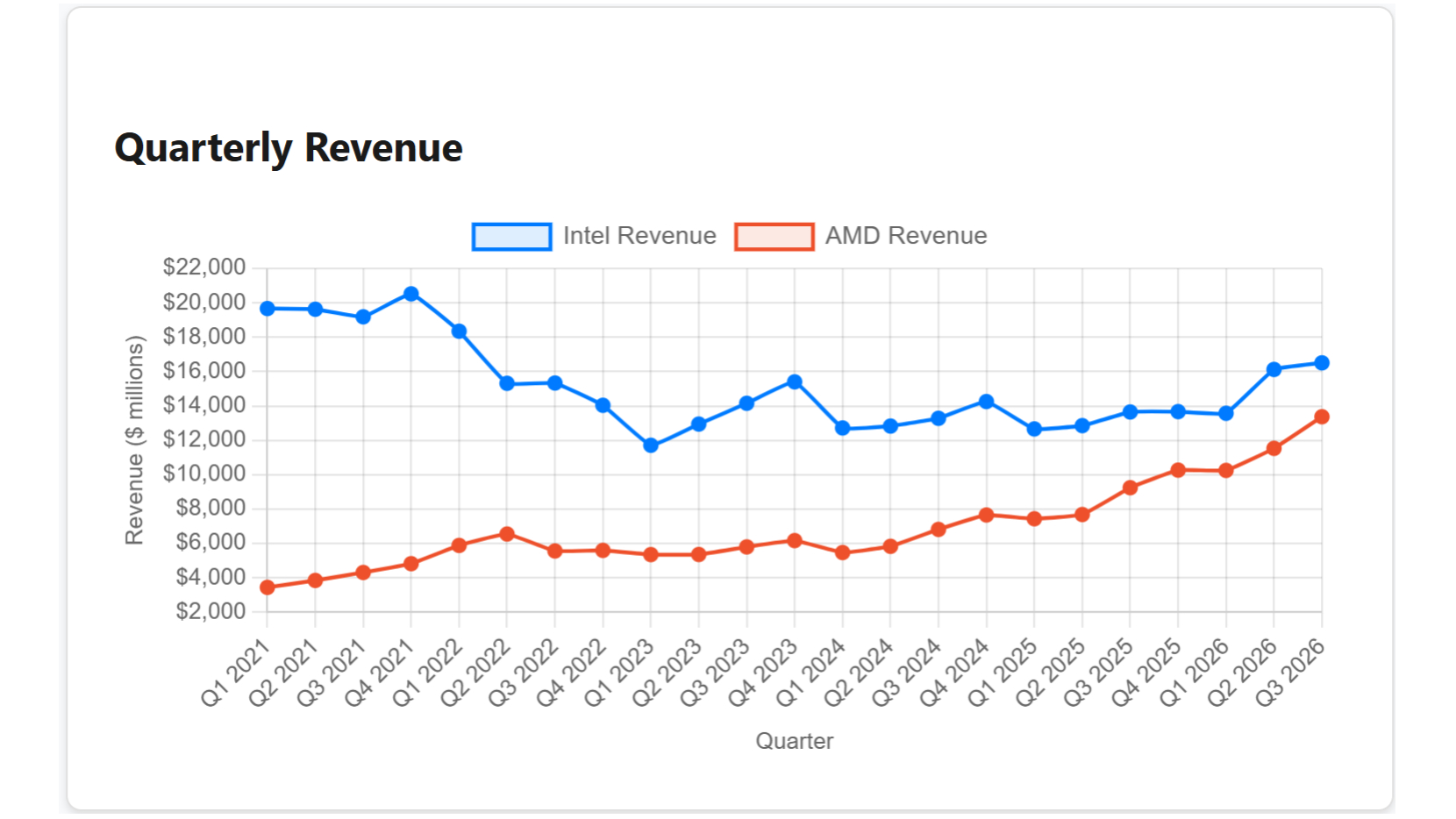
The financial data highlights a profound divergence in corporate trajectories over the last several years. Back in early 2021, Intel routinely posted quarterly revenues approaching $20 billion alongside multibillion-dollar net incomes, while AMD brought in modest revenues between $3 billion and $4 billion. By late 2025 and into 2026, those dynamics inverted. AMD’s quarterly revenues crossed the $10 billion threshold and climbed steadily toward $13.3 billion by the third quarter of 2026, while Intel’s quarterly revenues remained anchored in the mid-$13 billion to $16 billion range, frequently punctuated by heavy net losses during periods of restructuring and operational realignment.
As AMD prepares to close out the year with expectations of reaching unprecedented revenue heights, the company stands as a testament to strategic patience, technological innovation, and resilient corporate leadership. What was once considered an insurmountable gap between two perennial processor rivals has narrowed to the vanishing point, setting the stage for one of the most compelling competitive eras in the history of the modern technology industry.





Comments (0)