


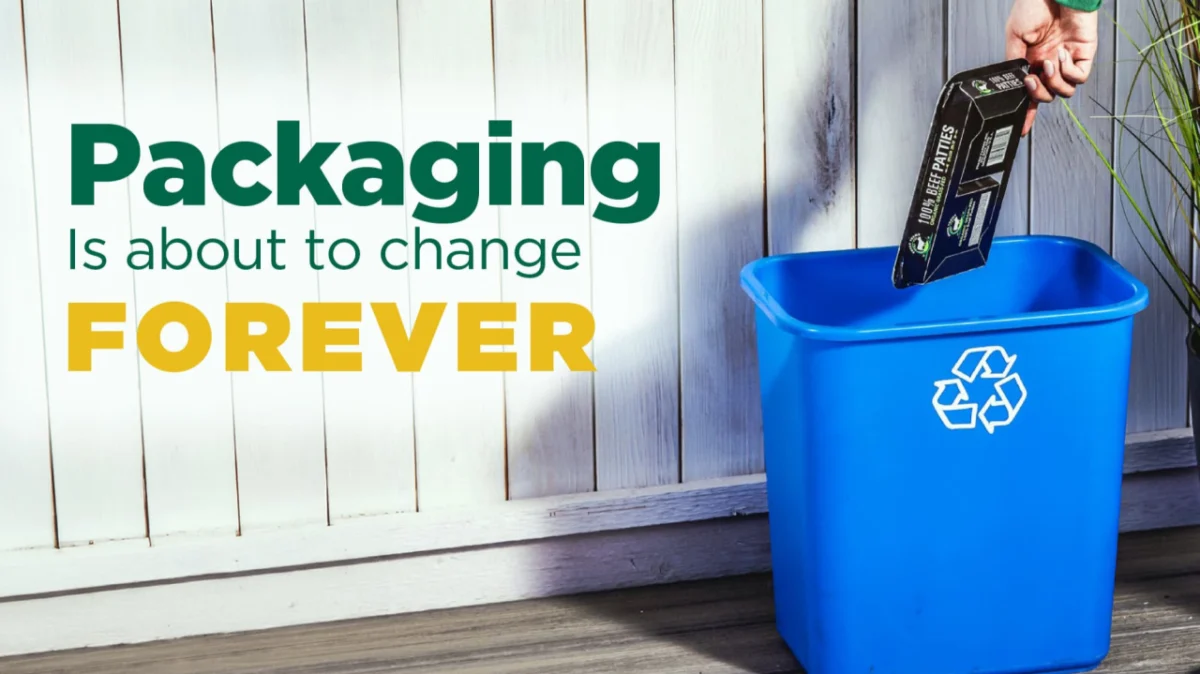
The European Union has drawn a definitive line in the sand against modern packaging waste, establishing a sweeping mandate that demands all consumer packaging sold within its borders be designed for complete recyclability by the end of the decade. This aggressive regulatory pivot comes courtesy of the Packaging and Packaging Waste Regulation, widely known as the PPWR, which officially became binding law across all 27 EU member states. Since taking effect, the comprehensive framework has immediately restricted the use of synthetic per- and polyfluoroalkyl substances—commonly referred to as PFAS or "forever chemicals"—in food packaging. These targeted bans form the bedrock of the overarching "Design for Recycling" framework, which is scheduled to become the mandatory baseline for the entire European marketplace by 2030.
The implications of this sweeping legislative shift extend far beyond the geographical borders of Europe. Because the regulation applies universally to all packaged products placed on the European market rather than just those manufactured locally, international exporters are forced to take notice. Multinational corporations and global brands frequently favor standardized packaging designs to streamline their supply chains, reduce manufacturing costs, and maintain uniform branding across multiple international territories. Consequently, industry experts anticipate that the broad gravitational
pull of the PPWR will effectively reshape packaging standards worldwide, as companies alter their structural designs to maintain access to one of the world’s most lucrative consumer markets.
At the heart of the PPWR lies a rigorous grading system designed to evaluate materials based on their actual recyclability performance through the Design for Recycling framework. Under this system, materials are sorted into strict performance categories. Grade A materials represent the pinnacle of circular economy standards, boasting a recyclability rate of 95% or greater. Just beneath them, Grade B materials achieve a recyclability rate of 80% or higher, maintaining a status of high operational efficiency. Materials falling into Grade C achieve at least 70% recyclability. However, any packaging material that rates below the crucial 70% threshold is officially classified as unrecyclable under European law and faces a complete ban from the market, effectively phasing out materials that cannot be efficiently reintegrated into the industrial supply chain.
These strict regulatory shifts have quickly positioned paperboard as a premier material for long-term reduction, reuse, and recycling strategies. Paperboard naturally satisfies the demands of the new era by combining a high baseline recyclability rate with exceptional compatibility with established content targets. This versatile fiber-based material can successfully undergo recycling cycles five to ten times, continually transforming into innovative packaging solutions for retailers and everyday consumers. Once a paperboard product reaches the end of its functional life and is responsibly discarded by the consumer, the cycle begins anew, preserving valuable resources. Current data indicates that European waste collection systems successfully recover an impressive 87% of paper and paperboard packaging for reuse. This figure towers above the recovery rates of traditional plastics, which lag far behind at a modest 42%. As companies scramble to adapt to tightening restrictions and outright bans on single-use plastic packaging, alternative fiber-based materials are stepping in to support broader corporate and governmental goals centered on resource efficiency and genuine circularity.
The historical trajectory of this legislation reflects a growing global impatience with environmental degradation caused by single-use items. Public scrutiny regarding single-use plastics first gained significant traction during the 2010s, prompting policymakers to seek structural solutions. By 2022, the European Commission formally proposed the PPWR to replace the aging Packaging and Packaging Waste Directive that had governed the bloc since 1994. Following years of legislative debate and refinement, the regulation went into full effect, setting the stage for a phased implementation timeline. In the years immediately following enactment, the focus has shifted toward the development and implementation of secondary legislation. By 2028, consumers will begin seeing mandatory standardized labeling on both consumer packaging and local waste sorting receptacles across member states, designed to eliminate consumer confusion and drastically improve municipal sorting accuracy.
Looking further ahead into the early 2030s, the regulatory landscape will reach its most demanding phase. By this point, every single piece of packaging circulating within the European Union—whether produced domestically or imported from abroad—must fully comply with the stringent Design for Recycling criteria. Furthermore, most plastic packaging components will be required to meet initial minimum thresholds for recycled content, ensuring that secondary raw materials are actively prioritized in manufacturing processes. As the decade draws to a close, these criteria are slated to become even more uncompromising, ratcheting up recyclability requirements to ensure a permanently sustainable economic framework within the region.
Ultimately, the PPWR is designed to achieve ambitious, binding waste reduction milestones, including a targeted 15% reduction in packaging waste per capita by 2040 compared to 2018 levels. Brands that proactively embrace the Design for Recycling mandates today—by transitioning away from problematic materials, adopting versatile options like paperboard, and engineering their products for a truly circular lifecycle—will find themselves uniquely positioned to navigate the decades ahead. Beyond ensuring continuous compliance with European law, these forward-thinking companies will secure a distinct competitive advantage in a global marketplace where environmental sustainability is rapidly evolving from an optional corporate social responsibility initiative into the core criterion for commercial survival.





Comments (0)