


The gaming community on HackerNoon has a new destination for exploring the past, present, and future of video games, following the release of a curated index ranking the top 500 gaming blog posts based on reader engagement data.

The collection, which is part of the broader HackerNoon Learn initiative accessible via GitHub and LearnRepo.com, covers a massive scope of topics ranging from major franchise timelines, platform comparisons, and hardware reviews to emerging trends in Web3 gaming, virtual reality, and software development.
Among the standout entries featured in the engagement-driven rankings is the announcement of "The Future of Gaming Writing Contest," hosted in partnership with MegaFans. Running from April 1 to June 30, the competition offers a total of $5,300 in cash prizes, rewarding the top five stories submitted each month. The initiative highlights HackerNoon’s ongoing efforts to engage its contributor community around forward-looking industry discussions, including the evolution of play-to-earn models, game economics, and the intersection of blockchain technology with traditional gaming structures.

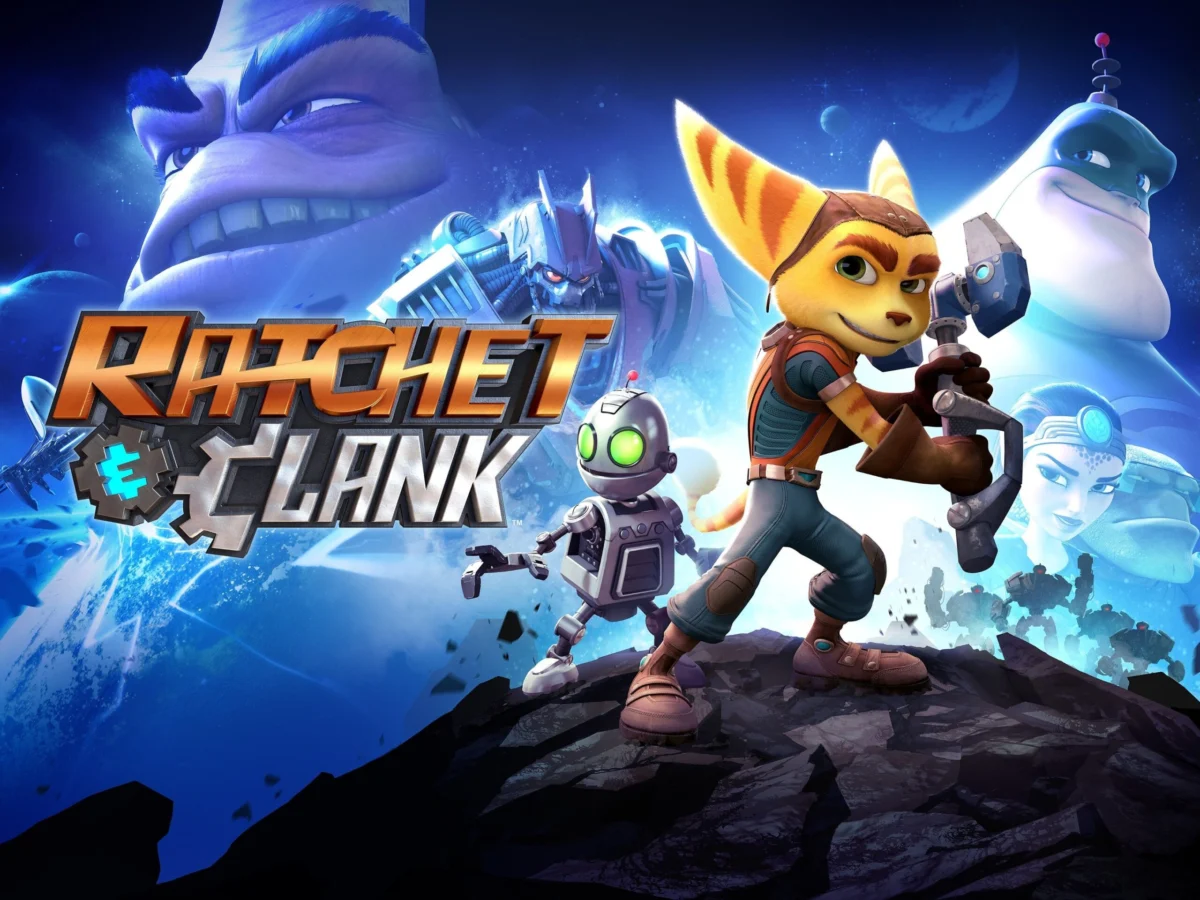
For narrative-driven gamers and lore enthusiasts, the curated list highlights several comprehensive chronological breakdowns of iconic franchises. Articles detailing the linear storyline of the post-apocalyptic Metro series—beginning with Metro 2033, followed by Metro: Last Light, and concluding with Metro: Exodus—rank highly among reader preferences. Similar deep-dives map out the intricate timelines of Ace Attorney, the complete Resident Evil narrative spanning over 25 years, the historical eras of The Elder Scrolls, and the chronological order of Ratchet & Clank, Wolfenstein, The Fallout Games, The Halo Games, The Legend of Zelda, and Grand Theft Auto.

Platform-specific performance and sales metrics also dominate reader interest. Several top-performing articles analyze historical sales data across hardware generations, evaluating the best-selling consoles of all time, including the PlayStation 2 and the Nintendo DS, alongside dedicated rankings for the top PlayStation, Xbox, Nintendo, and Steam games based on commercial success. Concurrently, technical troubleshooting guides, such as solutions for the persistent "VAC was unable to verify the game session" error in Counter-Strike: Global Offensive, demonstrate the practical utility value that drives continuous reader engagement on the platform.

The intersection of gaming and software development forms another substantial pillar of the curated repository. Content aimed at programmers and developers features guides on writing simple Model-View-Controller (MVC) applications in vanilla JavaScript, developing gaming bots using Python and OpenCV, and mastering game engines like Unity and Unreal Engine. Articles explore the implementation of the new Awaitable class in Unity 2023.1, techniques for optimizing virtual machine gaming performance, memory management differences between Unity and .NET garbage collection, and strategies for configuring hyper-casual game shaders.

Furthermore, the repository addresses the evolving landscape of Web3 gaming, non-fungible tokens (NFTs), and the metaverse. As digital gaming revenues continue to expand globally, community discussions examine the viability of player-owned economies, NFT-based yield farming, cross-chain monetization, and decentralized cloud gaming initiatives. While traditional digital marketplaces and platforms like Steam continue to dominate distribution and developer revenue models, alternative paradigms—ranging from blockchain gaming guilds to decentralized infrastructure layers—represent an increasingly scrutinized sector of the modern gaming ecosystem.

The comprehensive directory of 500 gaming articles serves as an open resource for enthusiasts, developers, and researchers seeking to analyze reader engagement trends across various technological and cultural segments of the video game industry.



Comments (0)