


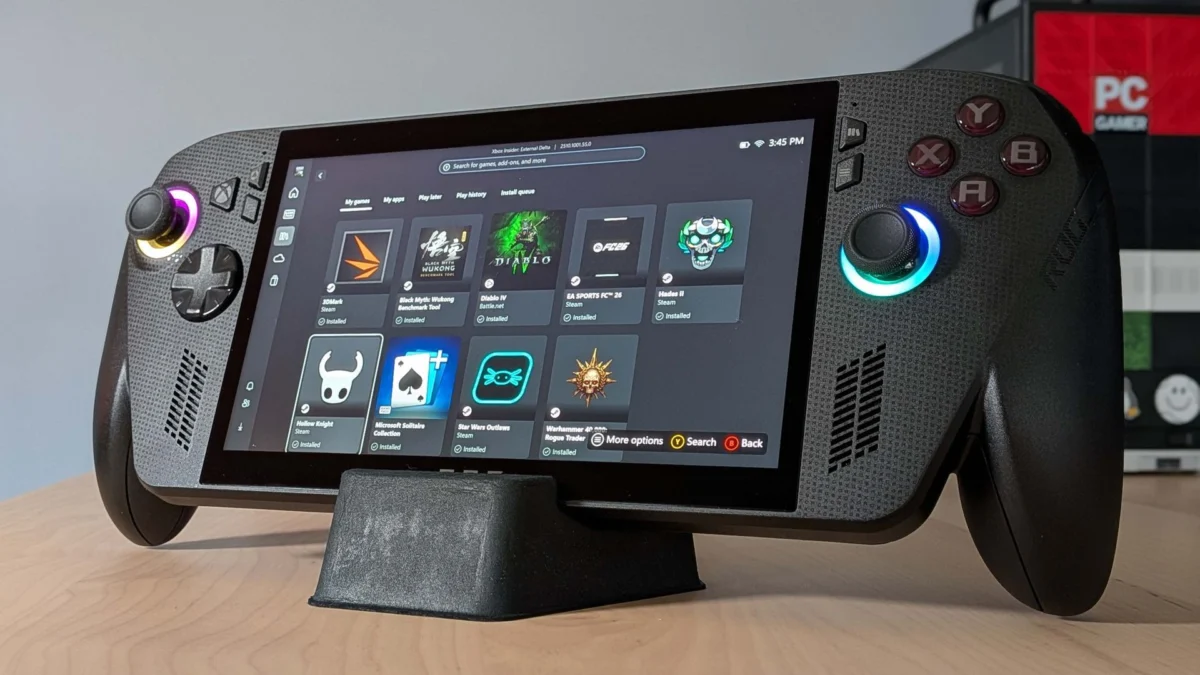
First introduced to the ROG Xbox Ally X a few months ago, Auto SR leverages artificial intelligence to upscale lower-resolution graphics, boosting frame rates and visual fidelity in supported video games. When the feature initially debuted, it was restricted to users running experimental Preview versions of Windows and could only be activated while the handheld was connected to a dock. Microsoft explained that docked mode allowed for higher power draw across the APU, including the dedicated Neural Processing Unit (NPU) responsible for the AI upscaling work, and targeted scenarios where users wanted 1440p-like detail on larger external screens.
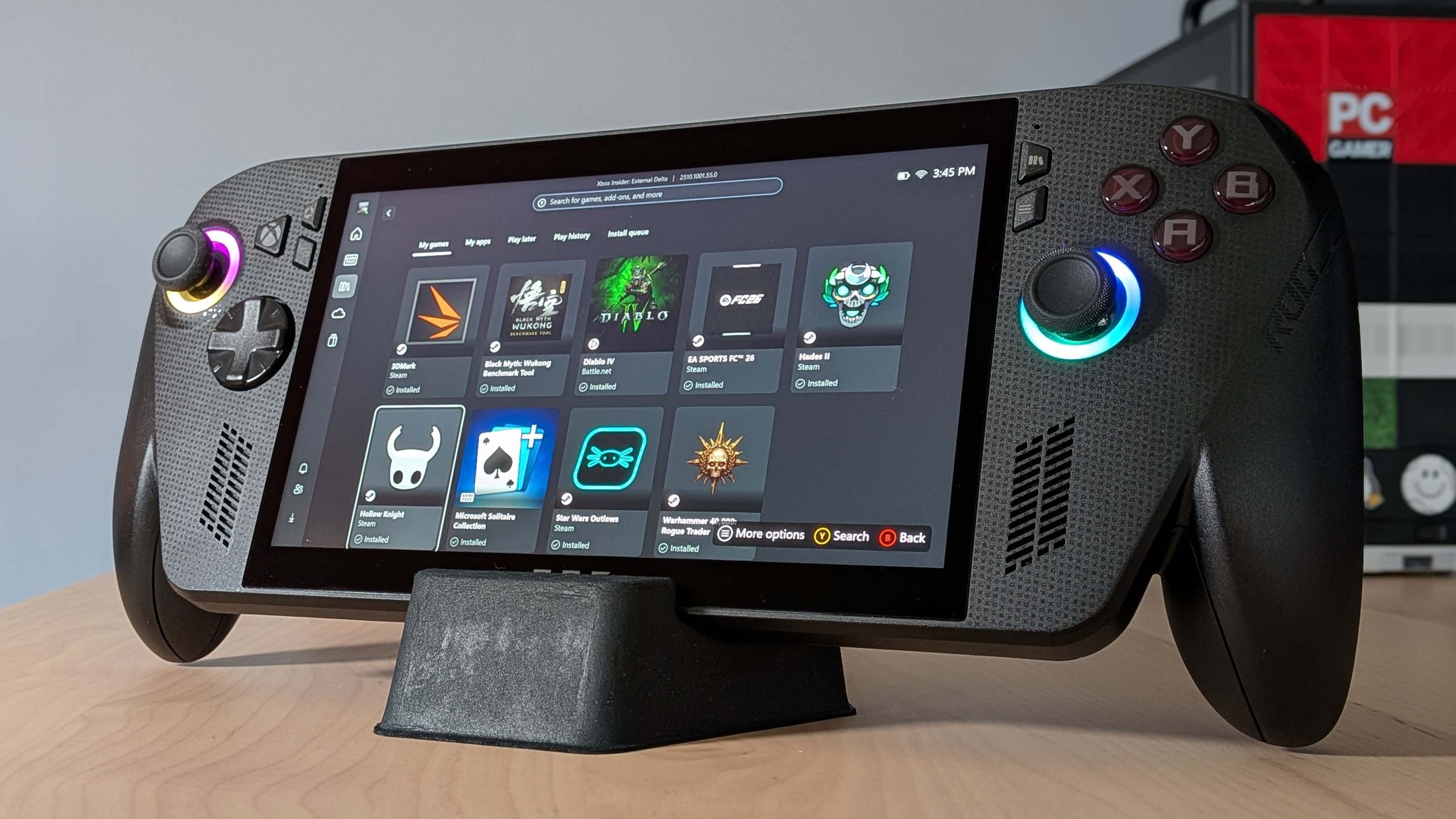
Now, the technology is moving out of the preview channel and into the standard Windows OS build for both the Xbox Ally X and the newer Xbox Ally X20. Crucially, the update lifts the restriction on battery power, meaning players can now utilize Auto SR while completely undocked and gaming on the go.
For users navigating performance settings, the obvious question involves how Auto SR compares to existing solutions like AMD’s FidelityFX Super Resolution (FSR). Industry consensus and technical design suggest that players should primarily rely on native game implementations of FSR whenever they are available. FSR generally delivers a visual output that stays truer to the original artistic intent of the developers. However, Auto SR serves as a powerful alternative for titles that lack native FSR integration or where developer-implemented upscaling fails to function properly.
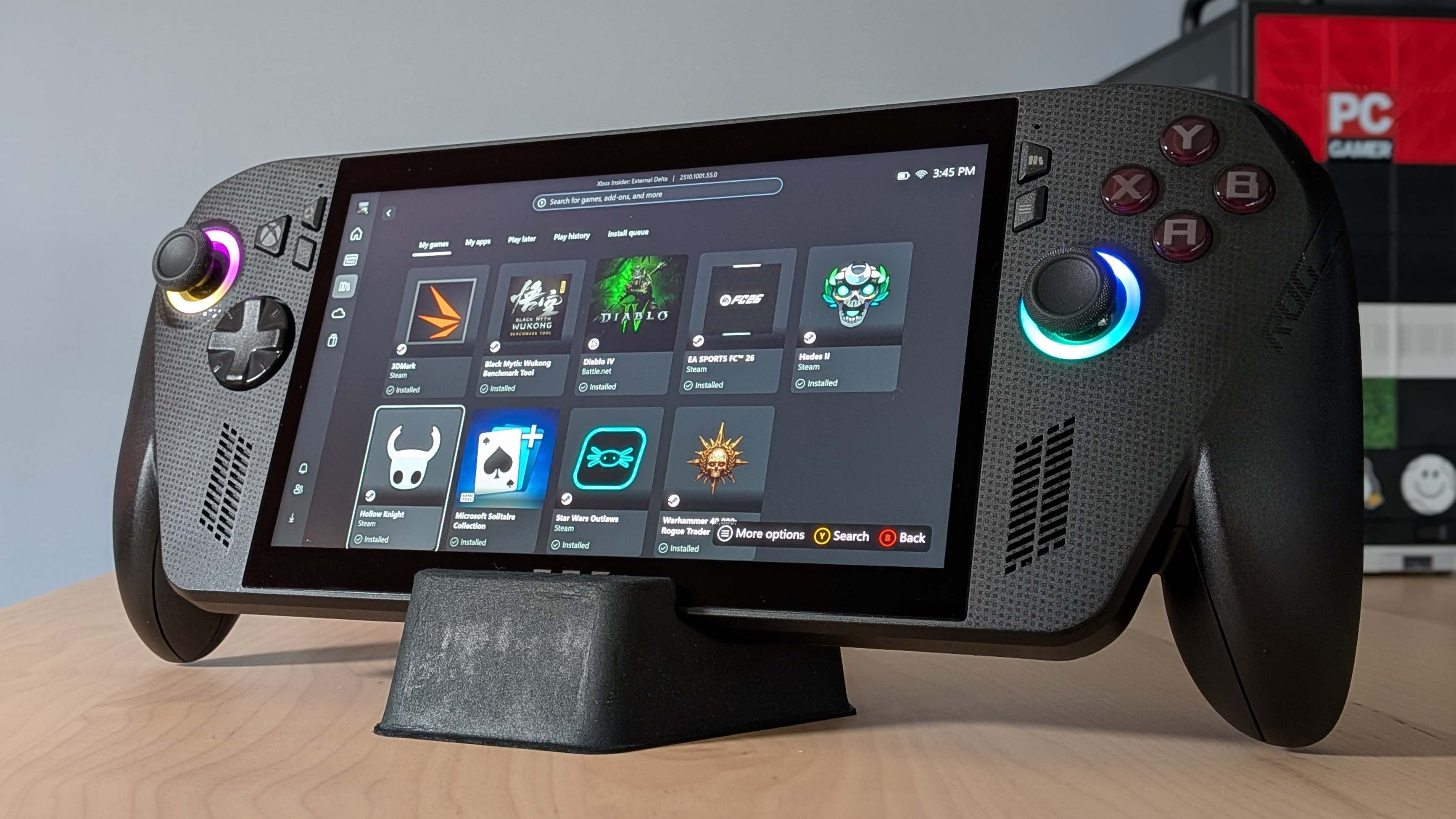
The primary advantage of Auto SR lies in its hardware architecture. Because it offloads the upscaling workload to the device’s onboard NPU rather than the graphics processing unit, it frees up valuable GPU resources to handle other intensive rendering tasks within the game. This division of labor can yield performance improvements in scenarios where a traditional GPU-bound upscaler might introduce bottlenecks.
In addition to removing the docked-mode restriction, the official rollout introduces a new performance mode and expands the operating envelope of the feature. Previously, Auto SR was limited to games running at caps of 60 or 75 frames per second. The updated implementation now supports games targeting up to 120 frames per second at 1080p resolutions, giving high-refresh-rate handheld panels more room to shine. Furthermore, Auto HDR remains fully supported for games capable of leveraging high dynamic range lighting, ensuring that color depth and contrast are preserved alongside the boosted frame rates.
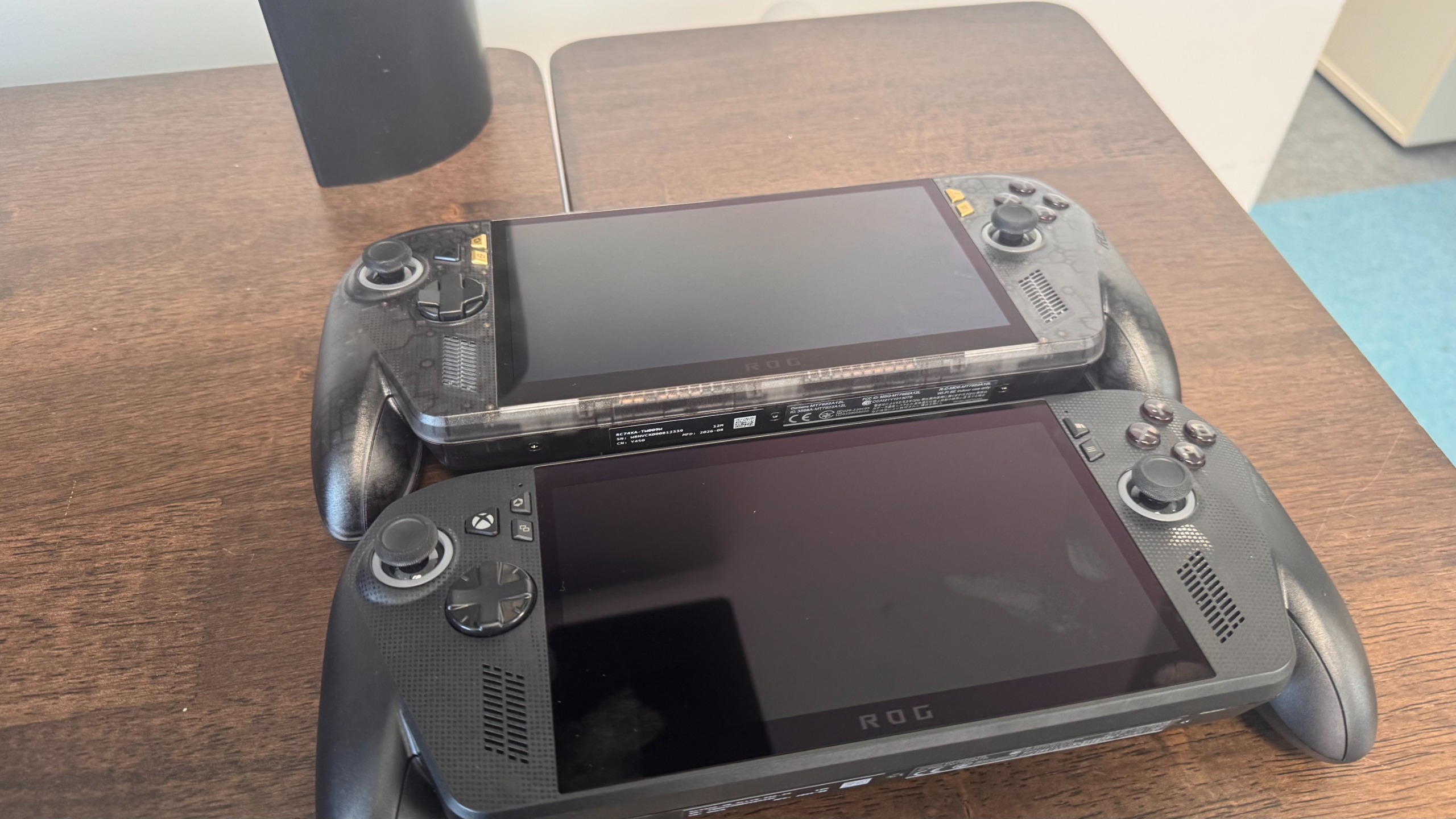
The hardware powering these features has solidified its position at the top of the portable gaming market. The ROG Xbox Ally X has emerged as a leading handheld option, maintaining a competitive pricing structure despite broader memory shortages and price inflation across the tech industry. Reviewers have praised its ergonomic design, comfortable grips, and the refined handheld Windows user experience. Meanwhile, the ROG Xbox Ally X20 builds upon that foundation by incorporating hardware upgrades such as an OLED display, TMR joysticks, and improved thermal management systems, though the standard model remains a favored choice for cost-conscious buyers.
While the primary focus centers on Asus’s flagship handhelds, Microsoft has indicated that Auto SR will also roll out to select Windows Copilot+ PCs moving forward, though specific hardware criteria for those broader deployments continue to be evaluated. For now, portable gaming enthusiasts utilizing the Xbox Ally X and X20 can take advantage of the expanded NPU-powered upscaling to squeeze extra performance out of demanding titles, whether they are relaxing at a desk with an external monitor or playing untethered on battery power.





Comments (0)