



It was August 2025 when the conversation around global computing capacity shifted from a niche technological concern to a critical macroeconomic debate. At the time, the prevailing wisdom among financial analysts and Wall Street forecasters was that the world’s appetite for microprocessors and data infrastructure would experience modest, manageable growth, projecting that the global demand for compute would expand by at most ten times by the end of the decade.

However, reality has quickly diverged from traditional models. Compute is growing exponentially rather than linearly, driven by artificial intelligence research labs doubling their infrastructure capacity every year on a gigawatt scale. Meanwhile, enterprise infrastructure and consumer applications are seeing tenfold to hundredfold expansions in their workloads every two to three years.

This parabolic demand trajectory has left industry observers and market participants divided over what comes next. On one side, traditional Wall Street analysts view the massive capital expenditures poured into artificial intelligence as a cyclical buildout that will inevitably outpace actual demand, leading to a market correction similar to historical downturns in the semiconductor and memory sectors. Financial metrics for major memory manufacturers, such as Micron, have historically tracked earnings cycles closely, leading conservative analysts to predict that after the current infrastructure wave peaks, earnings will plateau and chip supplies will eventually flood the market.
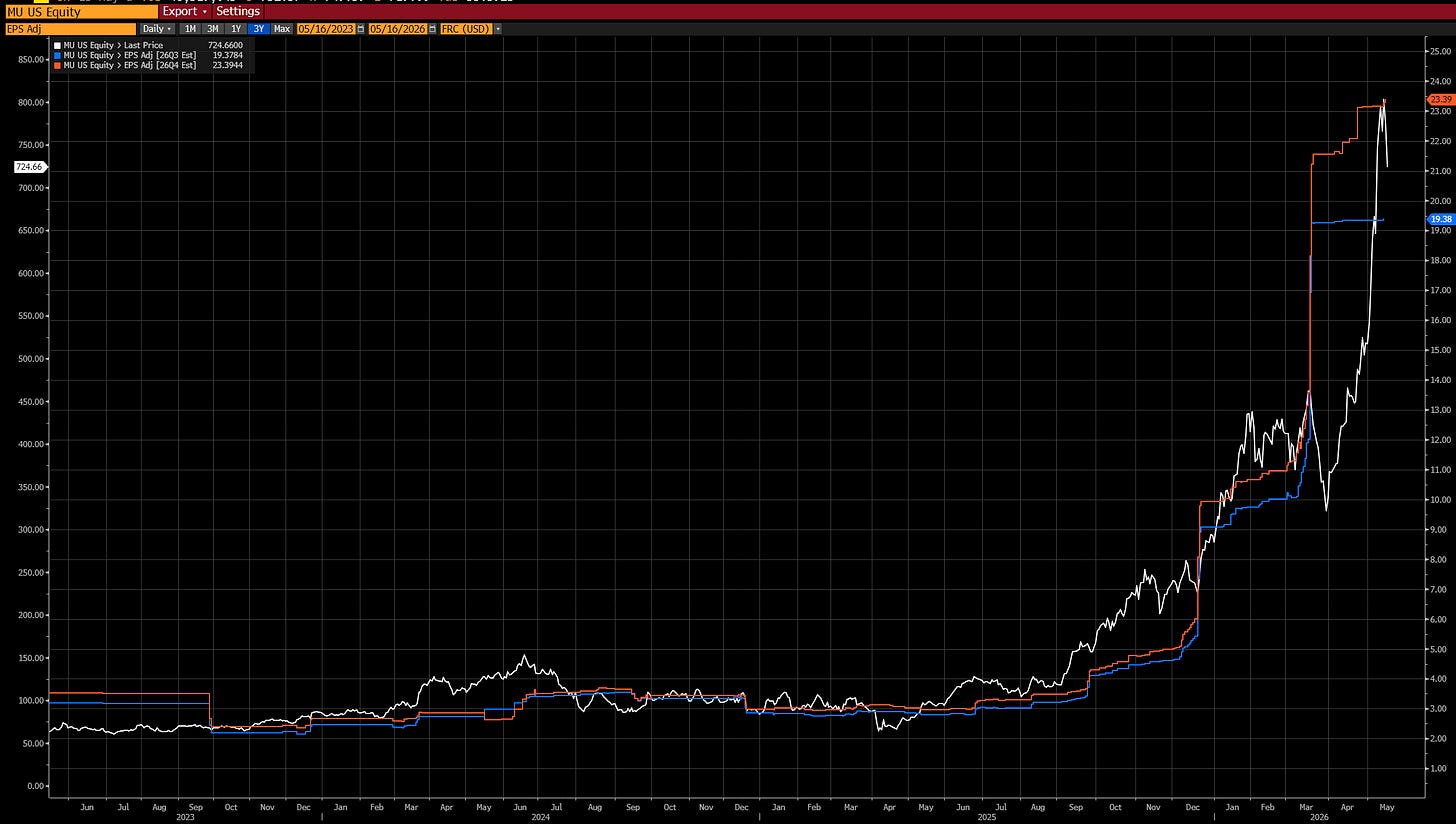
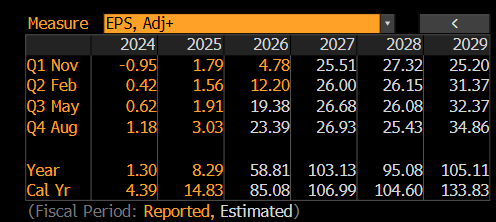
Market bears frequently point to historical precedents, such as Micron’s negative earnings in 2024 following the cooling of a massive demand cycle, to argue that the semiconductor industry is primed for a repeat performance. However, industry insiders suggest that comparing the next five years to the previous half-decade overlooks fundamental shifts in technological architecture and global demand.
Critical bottlenecks across the supply chain continue to defy traditional market cycles. SK Group Chairman Chey Tae-won noted at an industry summit that current supply shortages could persist until 2030, citing a more than twenty percent shortage in raw silicon wafers and warning that adding new wafer fabrication capacity takes at least four to five years of sustained capital investment and complex construction.
The manufacturing landscape for advanced memory components remains heavily concentrated among a small handful of global players. SK Hynix opened its M15X plant in Cheongju, South Korea, while accelerating the schedule for its Yongin fab, while Samsung and Micron have planned major new facilities across South Korea, Idaho, Singapore, Taiwan, and Japan slated to come online between 2026 and 2028. Despite these aggressive expansion efforts, SK Hynix remains largely responsible for carrying the primary burden of near-term advanced memory supply.

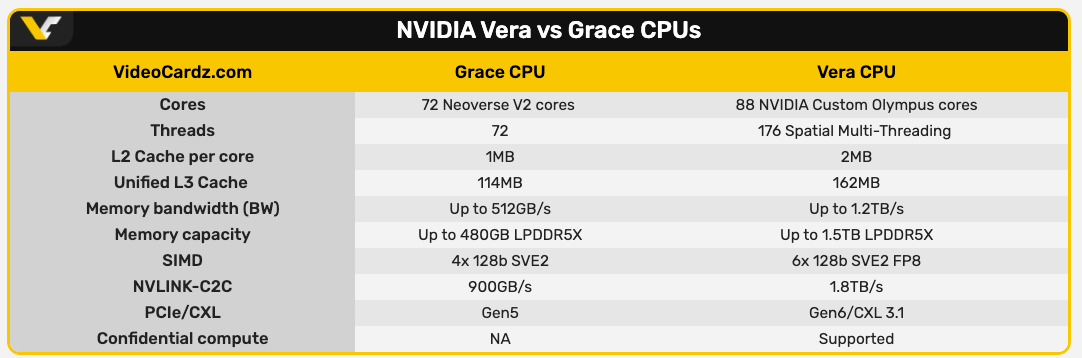
The technological demands of upcoming hardware generations further exacerbate the supply-demand imbalance. Nvidia’s successor to the Blackwell architecture, the Rubin GPU platform, requires significantly higher memory allocations, with next-generation racks consuming up to 1.5 terabytes of memory—a threefold increase compared to earlier Grace CPU configurations. Yet, supply chain reports indicate that next-generation HBM4 memory supply is coming in below initial expectations, prompting temporary design adjustments and component redesigns that threaten to delay shipments.

Beyond the production of the memory chips themselves, advanced packaging presents a secondary and even more formidable bottleneck. Even when DRAM components are manufactured successfully, they must be meticulously integrated alongside graphics processing units and other components on silicon interposers using advanced packaging techniques pioneered by companies like TSMC. This multi-layered manufacturing process acts as an effective dam against any potential oversupply flooding the global market, ensuring that physical production limits remain tightly constrained.

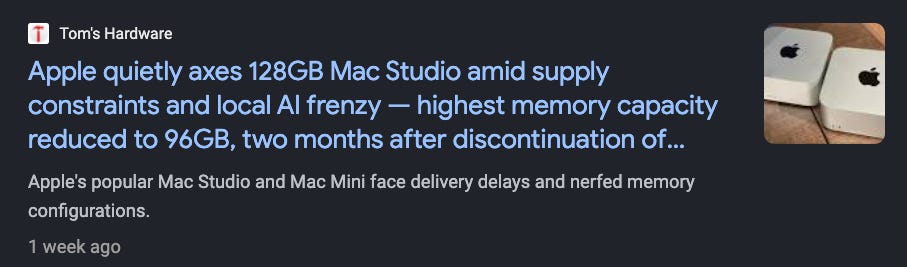
These macro-level constraints are increasingly mirrored in consumer and enterprise hardware markets. Recent months have seen major hardware manufacturers systematically phasing out high-capacity memory configurations in desktop and workstation lineups, leading to surging prices on secondary markets as buyers scramble to secure high-performance hardware.
As compute transitions from an abundant commercial commodity to a fiercely contested resource, the traditional dynamics of technology access are fundamentally shifting. Rather than leading to a sudden collapse of the market, the convergence of physical manufacturing limits, power availability constraints, and exponential software demand suggests that computing power will become an increasingly exclusive resource. Organizations, enterprises, and even nation-states are poised to engage in intense competition to secure the necessary infrastructure to power future workloads.

With national grids facing unprecedented strain to supply power to expanding data centers, the race for compute is expanding beyond corporate boardrooms and into the geopolitical arena. As real estate with reliable power access becomes a coveted asset and compute sharing agreements take shape across borders, the underlying mechanics of global power are shifting. In this emerging landscape, access to processing power and memory will serve as a defining pillar of economic and technological influence, shaping the global hierarchy for decades to come.




Comments (0)