


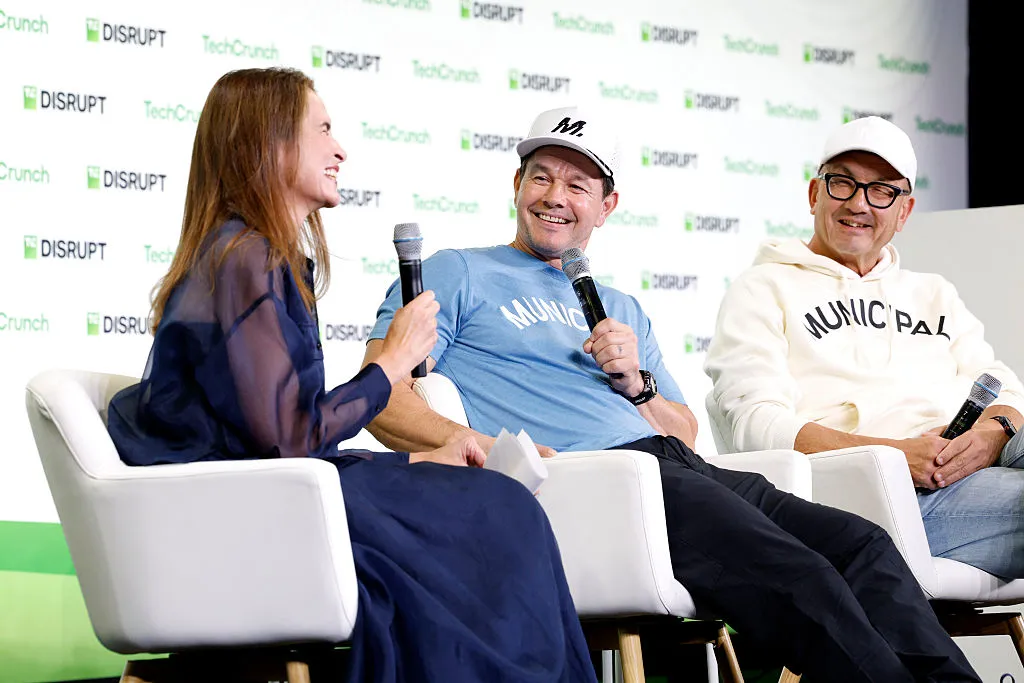
Speaking on stage at TechCrunch Disrupt in San Francisco, Wahlberg revealed that the very first Municipal Gym is scheduled to open its doors in December. Spanning a massive 32,000 square feet just outside Las Vegas, the club is designed to be much more than a traditional weight room. It will feature advanced health diagnostics, including blood work and epigenetic testing, alongside state-of-the-art recovery gear, compression therapy, cold plunges, and an on-site cafe serving nutritious options like protein muffins. Crucially, Wahlberg is positioning the facility as an accessible, high-value alternative to exclusive longevity clubs that routinely charge wealthy clients tens of thousands of dollars a year for comparable services.
This ambitious fitness center represents the next major phase of an overarching brand strategy that first took shape seven years ago with the debut of a casual sportswear line. The clothing brand, Municipal, officially launched during the height of the COVID-19 pandemic in 2020—a timing that Wahlberg readily and humorously acknowledges was far from ideal. Venturing into the retail clothing sector at a moment when historic names ranging from J.Crew to Brooks Brothers were filing for Chapter 11 bankruptcy presented immense challenges, but it laid the groundwork for a broader vision.
The concept for Municipal grew directly out of Wahlberg’s extensive experience serving as a celebrity fitness spokesperson over the years. Having collaborated with various athletic brands and turned down numerous ambassador offers, he noticed a recurring pattern in the industry. Most companies approached him with the exact same limited objective in mind: selling basic T-shirts and sneakers. For Wahlberg, however, standard endorsements fell short of his ambitions. He wanted to create a venture that could exert a much broader and more meaningful impact on people’s daily lives as a whole.
By a holistic impact, Wahlberg envisioned addressing every facet of a healthy lifestyle, encompassing what people consume, the nutritional supplements they incorporate into their routines, how they train, and how effectively they recover. Clothing was merely the initial stepping stone in a much larger master plan. The founders reasoned that they would establish a foothold in the apparel space first and progressively build out a comprehensive ecosystem from there. True to his entrepreneurial philosophy, Wahlberg maintains that he only commits his time and capital to ventures that he feels genuinely passionate about and views as a direct extension of his personal identity.
Even under normal economic conditions, the apparel industry remains notoriously unforgiving, plagued by supply chain hurdles and stringent quality-control demands, such as those recently faced by brands like Lululemon. Nevertheless, Wahlberg remains unfazed by the sector’s volatility, focusing instead on how the physical gym perfectly complements his overarching brand vision. He believed that brick-and-mortar fitness spaces could significantly elevate the Municipal brand by offering consumers a tangible environment where they could physically feel and touch the clothing before making a purchase. Furthermore, he emphasizes that physical exercise and movement constitute a fundamental pillar of modern daily life.
Across the broader wellness landscape, many existing players have remained intensely focused on the ultra-luxury end of the market. Companies like Fountain Life, a longevity enterprise co-founded by Tony Robbins, successfully raised $18 million to expand its specialized centers catering to high-net-worth clientele, where comprehensive annual subscriptions routinely cost upwards of $21,500. Similarly, The Estate, another high-end wellness venture co-founded by Robbins and hospitality executive Sam Nazarian, has outlined plans to charge members a staggering $35,000 for access to its specialized wellness facilities. Meanwhile, traditional fitness giant Equinox has cultivated a substantial waitlist for its Optimize longevity add-on program, which costs $36,000 per year on top of a standard gym membership.
Wahlberg asserts that Municipal is deliberately targeting that same elite tier of advanced health diagnostics and longevity optimization, but at a dramatically more approachable price point. Highlighting the company’s value proposition, he noted that members will receive substantial medical insights—such as multiple rounds of comprehensive blood work and dedicated one-on-one consultations with physicians to identify potential health predispositions—for a fraction of the cost of luxury clinics, with nutritional supplements and hormone therapy services readily integrated into the experience.
When asked whether the new gyms will function primarily as storefronts to market his other commercial enterprises, such as his established nutritional supplements brand, Wahlberg described the concept as a holistic health and wellness ecosystem designed to deliver comprehensive support from start to finish. While he refrained from providing a specific target number for future locations, he characterized the long-term growth strategy as aggressive. He noted that real estate developers and property landlords who toured the initial Las Vegas site have already stepped forward with prime, AAA locations under highly favorable leasing terms, including generous tenant-improvement allowances to help finance the physical build-out.
Wahlberg’s previous high-profile venture into the commercial fitness industry might have deterred a less resilient entrepreneur. Discussing his deep involvement with the fitness franchise F45, which was prominently featured in his HBO documentary series Wahl Street, he humorously deflected questions about the turbulent timing of his investment. He initially bought into the high-intensity, 45-minute interval training chain at a hefty $450 million valuation. The company subsequently went public in 2021 before experiencing a sharp stock collapse that ultimately led to its delisting from the New York Stock Exchange in 2023. Reflecting on the turbulent experience, Wahlberg emphasized that he extracted invaluable lessons from the setback.
His primary takeaway from the F45 chapter was the critical importance of aligning exclusively with business partners who share his precise operational approach and long-term vision. Additionally, while interval training studios cater specifically to individuals pressed for time, Wahlberg’s vision for Municipal centers around a traditional big-box model where members are encouraged to spend hours utilizing a diverse array of facilities rather than dropping in solely for a brief workout. He remains critical of traditional fitness club business models that rely heavily on inactive members who sign up but rarely show up, stating that such a philosophy runs entirely counter to his personal ethos.
The choice of the name Municipal holds deep personal significance for Wahlberg, who grew up as one of nine children in a working-class family in Boston, spending his youth playing sports on public asphalt basketball courts and municipal golf courses. He frequently speaks about the formative life lessons learned on the blacktop, where children learn how to win, how to lose, how to compete against adversity, and how to pick themselves up to try again.
Wahlberg has never concealed the challenges of his youth, which included a troubled adolescence that led to a brief period of incarceration as a teenager. Throughout his life and career, he has often credited pivotal figures with helping him redirect his path, including local parish clergy members who maintained a steady presence in his life from a young age. He intends for the new Municipal fitness clubs to embody that same spirit of mutual support, resilience, and community engagement, serving as spaces where individuals can challenge themselves to achieve personal growth.
Reflecting on his personal evolution at age 55, Wahlberg notes that his motivations and wellness objectives have shifted dramatically over the decades. While his younger years were defined by a focus on physical appearance and aesthetics, his current priorities center squarely on functional longevity, vitality, and waking up each morning with the physical energy required to conquer a demanding daily schedule.
Between overseeing the launch of the new gym chain, maintaining an active acting career—including a forthcoming film role portraying baseball legend Pete Rose—and supporting his daughter’s competitive equestrian career, Wahlberg’s professional and personal schedule remains remarkably full. He admits that watching the final preparations at the Las Vegas construction site feels as tedious as watching paint dry, driven entirely by his eager anticipation for opening day. While he is not actively hunting for new corporate acquisitions or ventures, he remains open to unexpected opportunities that might align with his core passions.


Comments (0)