


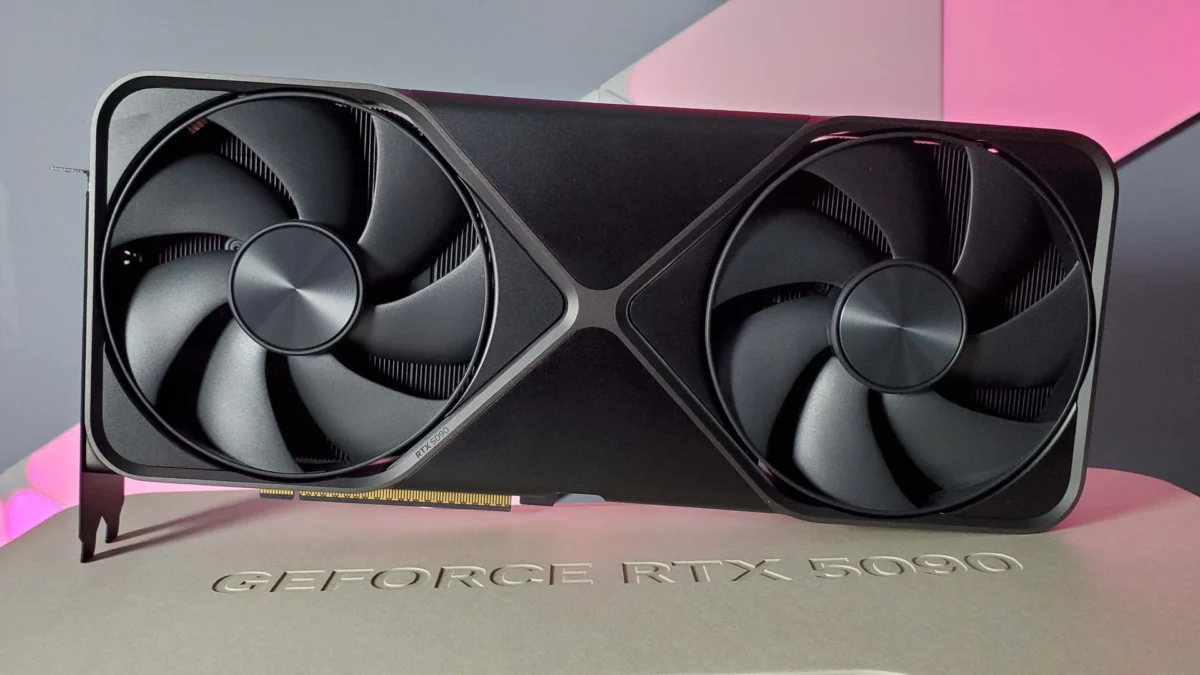
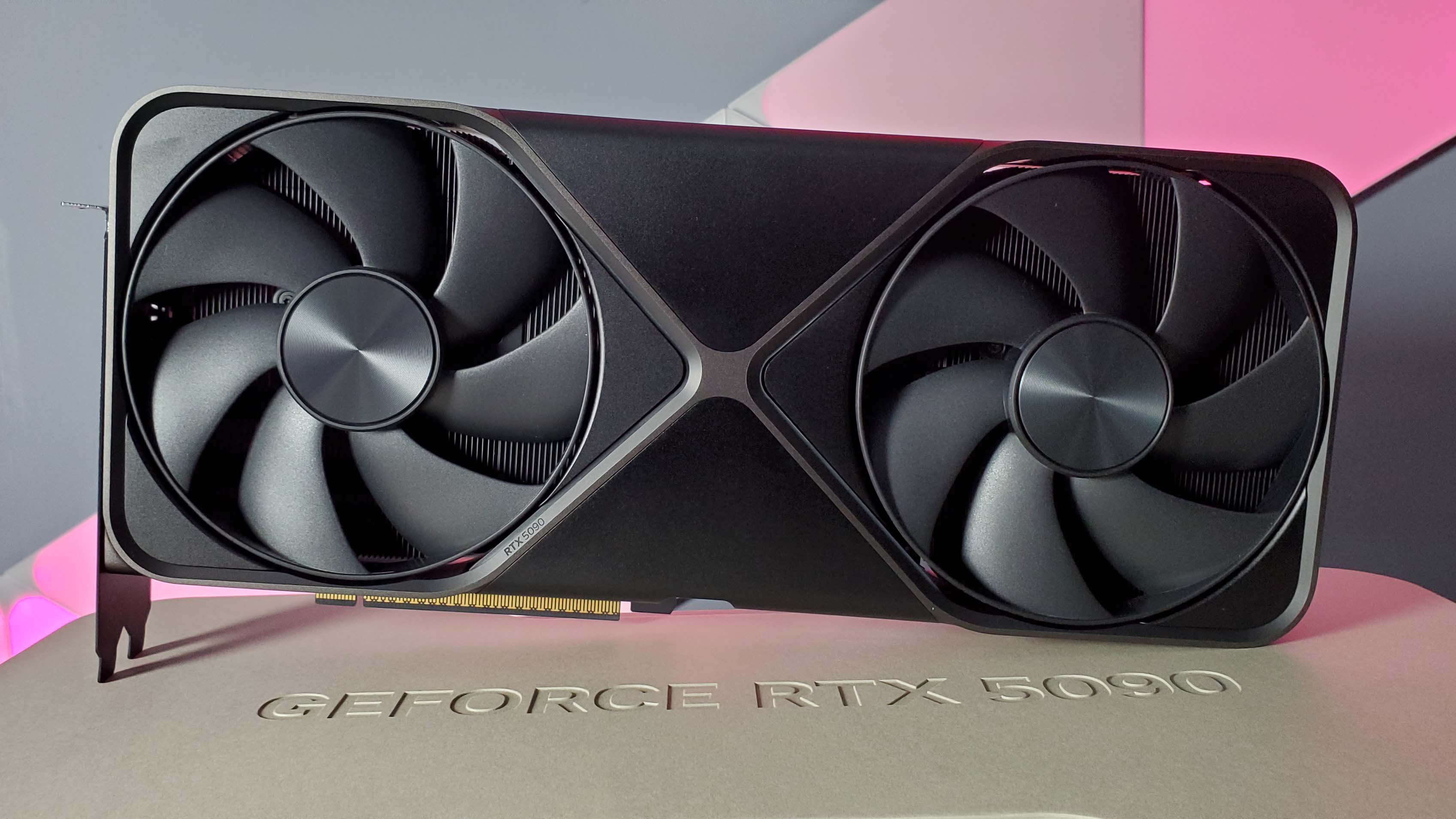
Consumer stock of Nvidia’s flagship GeForce RTX 5090 graphics card has seemingly vanished across the United States and multiple international markets. This disappearance persists despite Nvidia’s official assertions that production lines for the high-end consumer hardware remain active. For months, gamers, hardware enthusiasts, and industry trackers have wondered where the newly manufactured units are actually ending up.
A newly leaked video, reportedly recorded inside a specialized hardware facility in China, appears to provide a startling explanation for the widespread scarcity. Shared widely on X by hardware outlet HKEPC and highlighted by Tom’s Hardware, the underground footage reveals an industrial-scale operation where brand-new consumer GeForce RTX 5090 graphics cards—including both custom partner boards and reference models—are being systematically dismantled en masse.
The video exposes the stark reality of the modern hardware market, showing workers removing massive triple-fan cooling assemblies, dismantling complex heatsinks, and stripping printed circuit boards to prepare the powerful graphics processors for integration into enterprise-grade AI server racks. The scale of the operation appears immense, featuring hundreds—and potentially thousands—of the highly coveted consumer graphics cards undergoing the dramatic conversion process.
According to reports detailing the leaked footage, the modification process involves desoldering the core graphics processing units and high-speed VRAM modules directly from their original consumer-grade circuit boards. These critical components are then transplanted onto custom, purpose-built circuit boards designed to fit specialized server form factors. To make them compatible with dense enterprise server environments, technicians reconfigure the cooling hardware into slim dual-slot configurations, a stark departure from the bulky, multi-slot air coolers required to tame the thermal output of a high-end desktop gaming card.
Once rebuilt, the modified cards undergo rigorous testing on extensive arrays of industrial benchmarking rigs. After passing these stress tests, they begin their new functional lives not as high-end components for consumer desktop gaming, but as dedicated workhorses designed to crunch data for artificial intelligence development and machine learning training models.
These unauthorized grey market operations are reportedly scattered across various regions, functioning despite the fact that the GeForce RTX 5090 is not officially available for retail sale in China due to ongoing trade restrictions and export controls. Nonetheless, facilities like the one shown in the leaked video appear heavily supplied with the coveted hardware, staffed by skilled technicians working methodically to repurpose consumer electronics into lucrative enterprise assets.
The existence of such large-scale conversion operations offers a compelling explanation for why retail shelves remain bare and why ordinary consumers face immense difficulty securing a card through traditional purchasing channels. While Nvidia maintains that production lines are still churning out consumer units, the aggressive diversion of these high-powered chips into the lucrative enterprise sector suggests that a significant portion of the global supply is being quietly siphoned away before ever reaching a retail box.
For the PC gaming community, the fallout has been severe. Dedicated GPU price tracking pages have largely stopped monitoring the RTX 5090 in recent months because legitimate retail listings at or near the manufacturer’s suggested retail price are virtually nonexistent. The few units that do surface through online third-party marketplaces command astonishingly inflated prices, with listings routinely eclipsing the $8,000 threshold. For a gaming peripheral, even one sitting comfortably at the absolute peak of its generational performance tier, a price tag reaching well into the thousands makes little practical sense for an individual consumer.
Yet, as the leaked footage demonstrates, the insatiable commercial demand for artificial intelligence infrastructure continues to reshape the global technology landscape in dramatic ways. Seeing top-tier consumer graphics cards stripped down and repurposed for enterprise server clusters serves as a vivid reminder of broader market pressures. Across the board, soaring demand for high-performance AI hardware has heavily disrupted supply chains for foundational PC components like memory, storage, and graphics cards, ensuring that the current hardware generation remains exceptionally challenging for builders who simply want to play games.





Comments (0)