


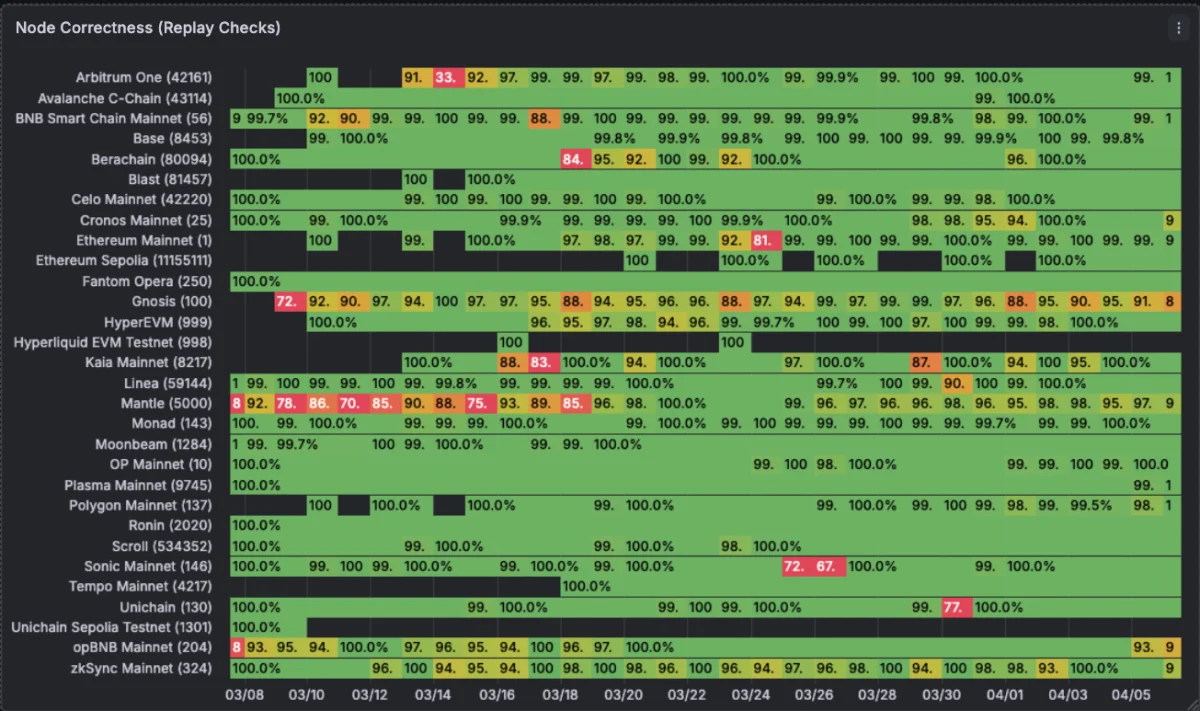
The reliability of blockchain data has long been taken for granted by many developers, but recent comprehensive findings from infrastructure routing platform RouteMesh suggest a startling reality: a significant portion of Remote Procedure Call (RPC) data delivered by major node providers is incorrect, lagging, or out-of-sync. While the blockchain industry continues to scale toward mass adoption, the foundational infrastructure feeding decentralized applications may be operating on shaky ground.
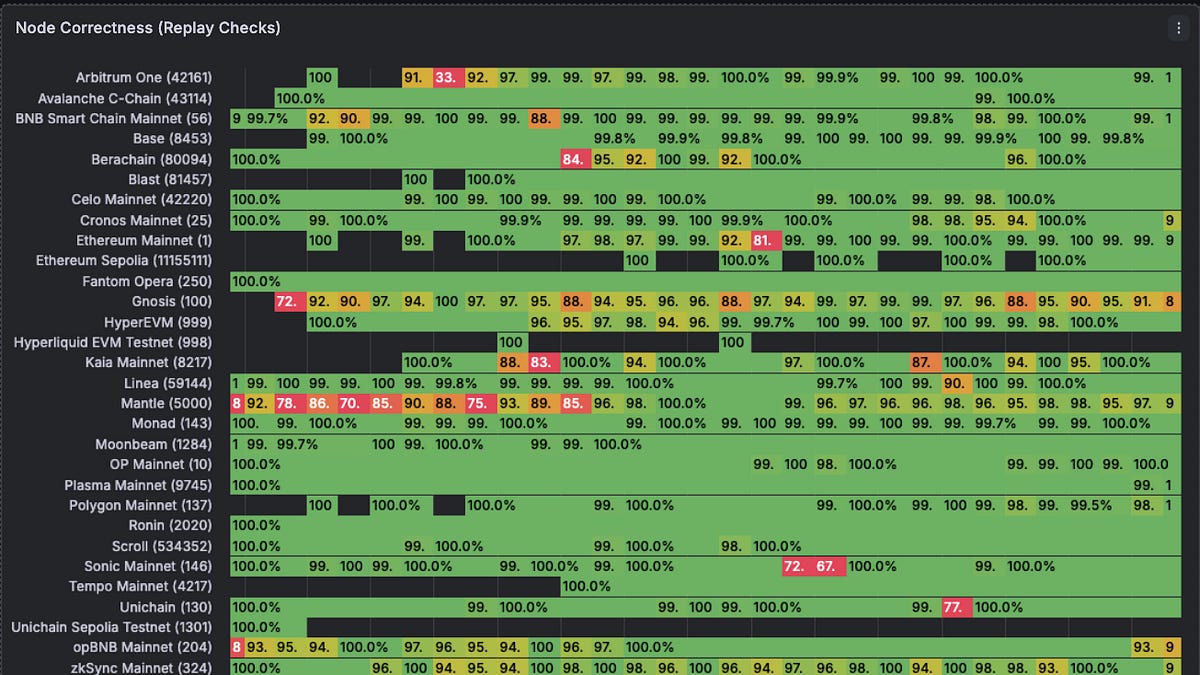
When interacting with a blockchain, applications rely on RPC nodes to fetch data, submit transactions, and read smart contract states. For years, the prevailing assumption among developers has been that established node providers deliver accurate and up-to-date data. However, data compiled by RouteMesh indicates that even top-tier infrastructure providers experience notable fluctuations in data correctness, sometimes dropping to alarming levels depending on the specific network and region.
According to RouteMesh’s empirical data, the industry’s best-performing providers achieve a data correctness range of 92% to an occasional 100%. On the other end of the spectrum, certain providers or specific chains see correctness rates plummeting down to 60%. This discrepancy exposes a critical vulnerability for downstream users, developers, and enterprises building decentralized finance protocols, data indexing pipelines, and analytics dashboards.
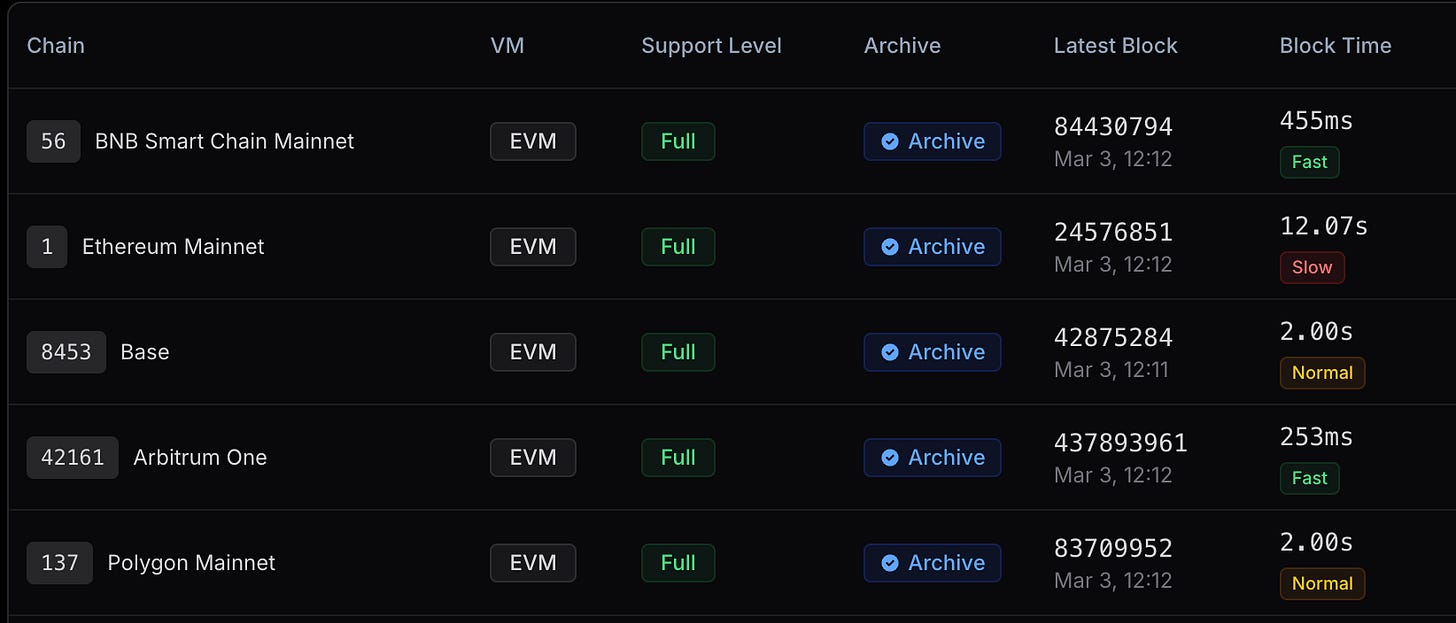
Determining the true quality of an RPC provider is a major engineering challenge. Without large-scale, purpose-built infrastructure, verifying whether node data is accurate is nearly impossible for individual developers or small teams. Data quality fundamentally rests upon two crucial dimensions: node synchronization and data correctness.
Measuring how much a node is lagging requires tracking block heights across the network’s global tip and comparing nodes against each other through calls like eth_getBlock:latest. These checks must be executed at a frequency proportional to the activity of the underlying chain. Networks with aggressive, fast block production times require far more rigorous and frequent monitoring compared to chains with slower block production rates.

While tracking latency and lag is relatively straightforward, determining data correctness is exponentially more difficult. It requires immense engineering effort and intelligent inventory management to remain economically viable. A naive approach might involve making every call twice across two different providers. However, this strategy is economically prohibitive at scale and inherently flawed if both chosen providers possess questionable track records. For instance, if a developer relies on two independent providers that each maintain a 90% correctness rate, the combined architecture can still yield incorrect data 1% of the time. At a high-volume enterprise scale, that translates directly into corrupted database rows and erroneous application states.
To systematically combat this issue, RouteMesh utilizes a specialized process often referred to as "replay" checks, wherein original requests are actively replayed and verified across a vast network of nodes. While the system relies on hash-based consensus checks that occasionally encounter minor comparative inaccuracies, the methodology allows infrastructure operators to isolate high-performing nodes from unstable ones.
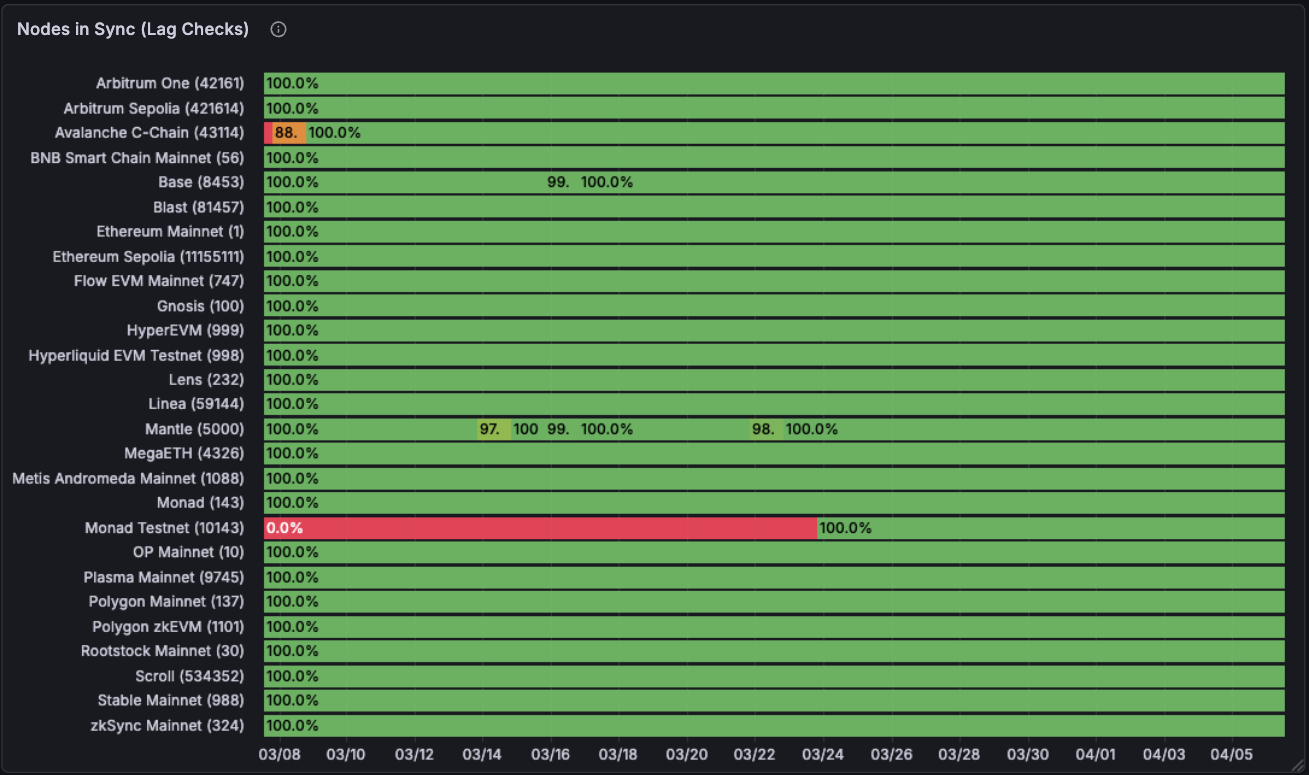
An examination of historical metrics across the industry’s leading RPC providers—namely Alchemy, Quicknode, and Chainstack—illustrates stark differences in fleet performance across major global regions including Canada East, Frankfurt, and Singapore.
Data tracking Alchemy’s node fleet over a 30-day period demonstrates that their nodes generally remain well-synchronized with the tip of the network, save for isolated anomalies. However, looking at node correctness reveals a more complex picture. Certain chains experience severe discrepancies on specific days. For example, the Ethereum mainnet encountered notable hiccups during mid-March, while newer networks like HyperEVM recorded correctness hovering between 96% and 98%—a margin of error that can prove problematic for sophisticated data pipelines.
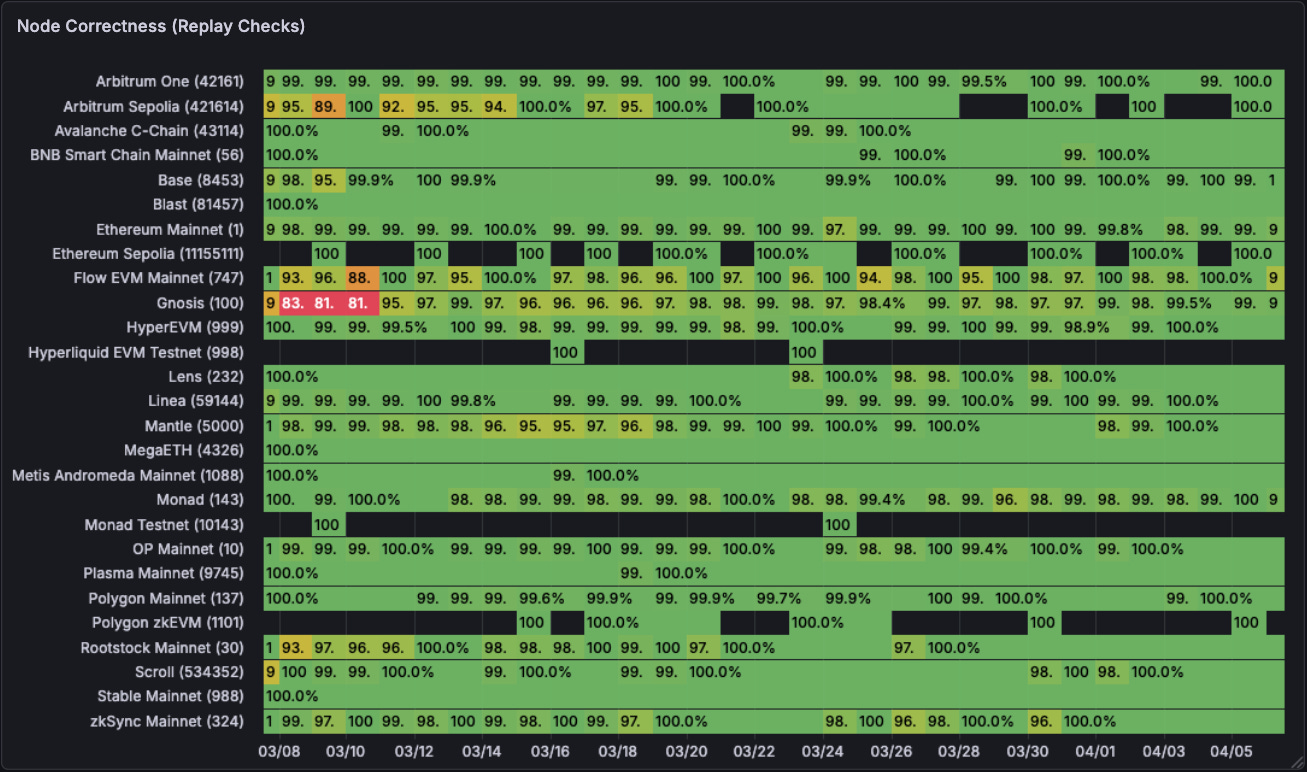
In contrast, Quicknode’s node fleet frequently shows a higher variance in staying fully synchronized with the tip of the chain. While performance varies significantly depending on the network, certain enterprise-grade chains like Arbitrum, Ethereum, and Polygon have exhibited periods of substantial data inaccuracies. While Quicknode nodes tend to be correct for the majority of time, their performance dips can introduce acute risks for applications reliant on real-time, flawless state data.
Meanwhile, evaluation of Chainstack infrastructure reveals even greater challenges regarding node correctness. Empirical findings show that certain nodes operated by the provider can drop below acceptable accuracy thresholds during specific operational windows. Nevertheless, advanced routing technology allows infrastructure aggregators to dynamically filter out substandard responses while continuing to utilize functional nodes.
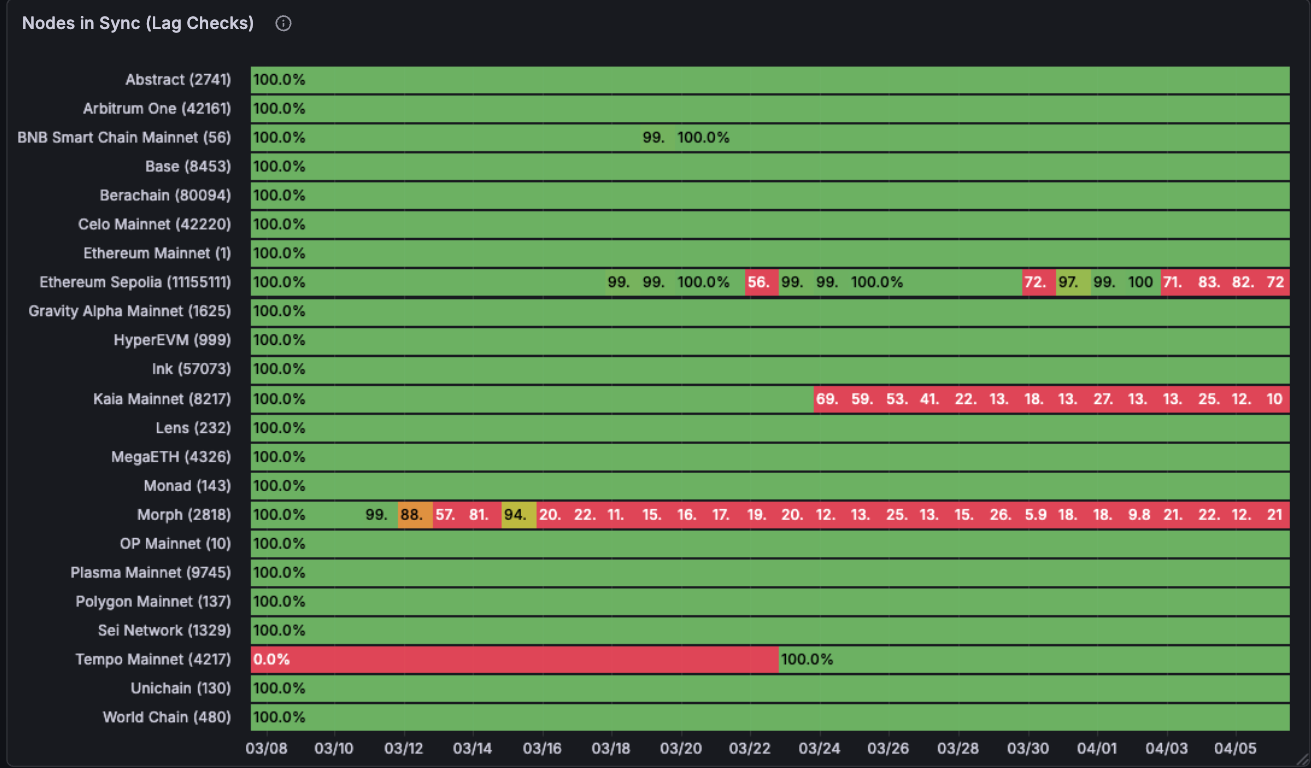
The broader implications of these findings point to a systemic issue within the blockchain ecosystem. Most industry participants continue to pay standard subscription fees for data streams that routinely pass incorrect information down to downstream datasets. While large-scale data indexing companies are generally aware of these discrepancies and deploy robust internal checking and redundancy mechanisms, smaller development teams lack the resources to build such defenses. Consequently, many smaller companies are left hoping that the data provided by their RPC vendors is accurate and up-to-date.
Because the broader infrastructure market relies heavily on static pricing models, providers rarely face direct financial incentives to fix persistent data discrepancies on underperforming chains unless their clients actively deploy intense data filtering and monitoring pipelines. RouteMesh aims to bridge this gap by absorbing the engineering overhead of continuous monitoring, allowing customers to receive verified, up-to-date data without managing the underlying complexity. Furthermore, this dynamic routing model enables infrastructure platforms to reward individual providers that consistently maintain superior node performance.
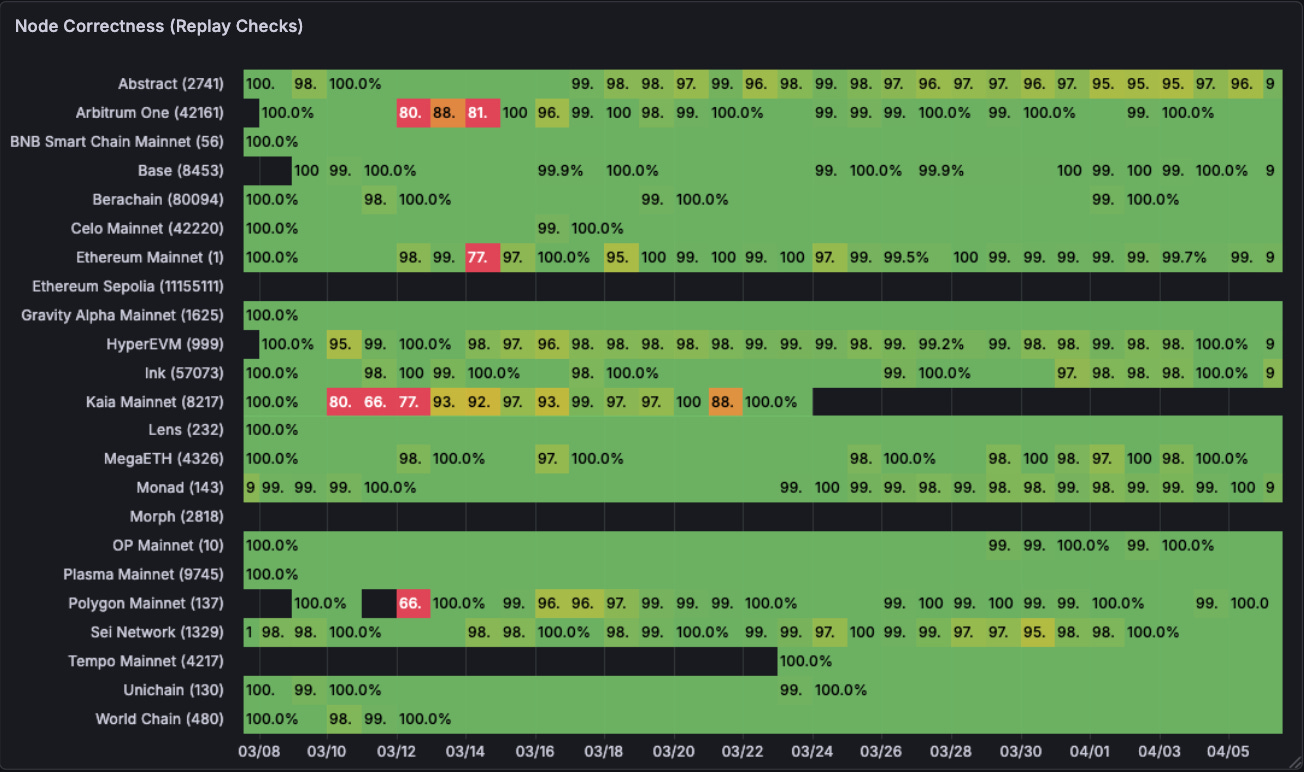
As decentralized applications handle increasingly large volumes of high-value transactions, the demand for transparent, verified, and fault-tolerant data infrastructure will only intensify. Ensuring that open-source blockchain data remains universally accessible and rigorously accurate remains one of the most pressing engineering hurdles for the web3 ecosystem. Ongoing monitoring systems, such as RouteMesh’s automated sentinel checks, continue to adapt to provider inconsistencies across various chains and methods, working behind the scenes to secure the data pipelines that power modern decentralized products.




Comments (0)