


U.S. intelligence agencies have spent approximately a year surveilling a top executive at a Singapore-based artificial intelligence cloud firm over suspicions that she may have been acting as a Chinese spy, according to anonymous sources cited by the New York Times. The executive, Alice Huang—also known as Huang Le—worked for Megaspeed, a regional cloud provider that previously faced federal scrutiny over allegations that it helped funnel restricted high-performance semiconductors to Chinese buyers in defiance of U.S. export controls.
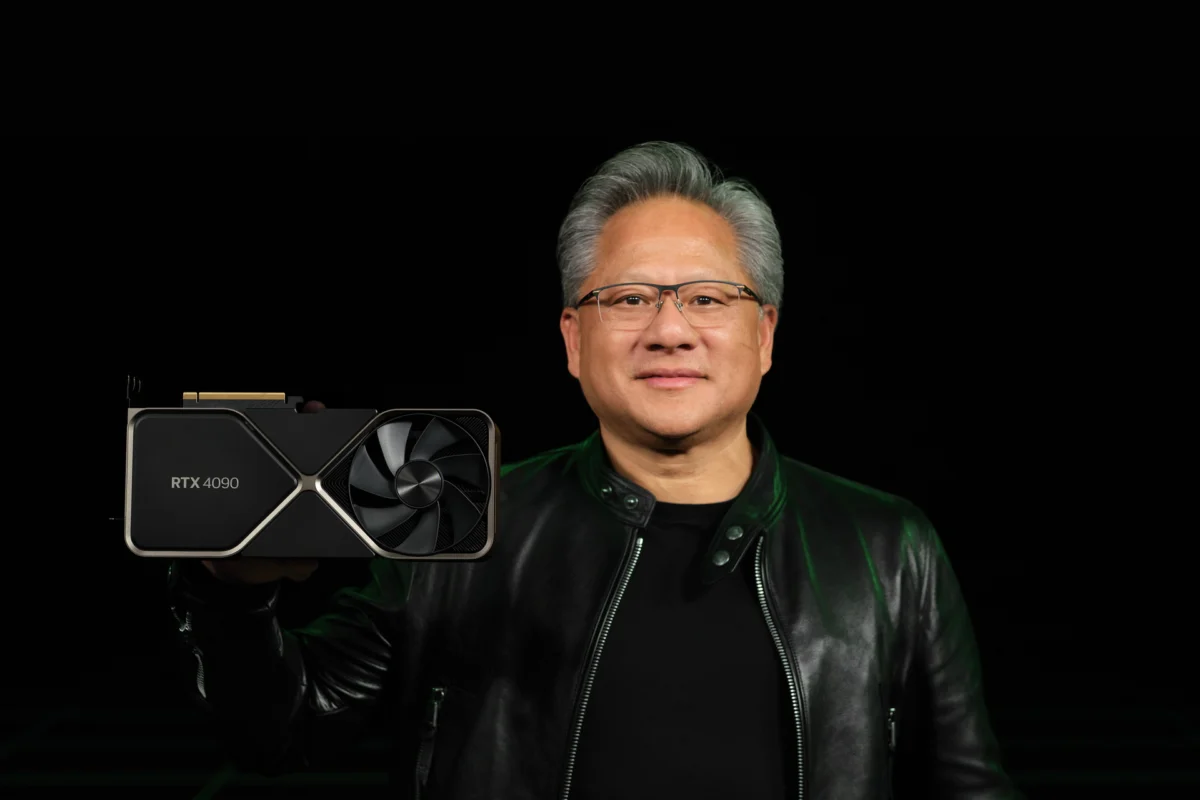
The investigation has thrust Nvidia, the world’s dominant manufacturer of advanced artificial intelligence graphics processing units (GPUs), back into the geopolitical spotlight. According to the Times, federal investigators grew increasingly concerned because Alice Huang had developed a remarkably close rapport with Nvidia CEO Jensen Huang. Photographic evidence from various business gatherings in the Singapore region showed the Megaspeed executive frequently positioning herself in close proximity to the billionaire tech leader during corporate dinners and industry events.
U.S. national security officials reportedly feared that this access could allow the executive to harvest valuable insights regarding Nvidia’s corporate roadmap. Of particular concern was intelligence gathering surrounding Jensen Huang’s lobbying efforts and strategic discussions with the Trump administration, during which Nvidia has continuously sought regulatory pathways to legally export advanced computing hardware to the lucrative Chinese market.
Nvidia Denies Security Breach and Downplays Relationship
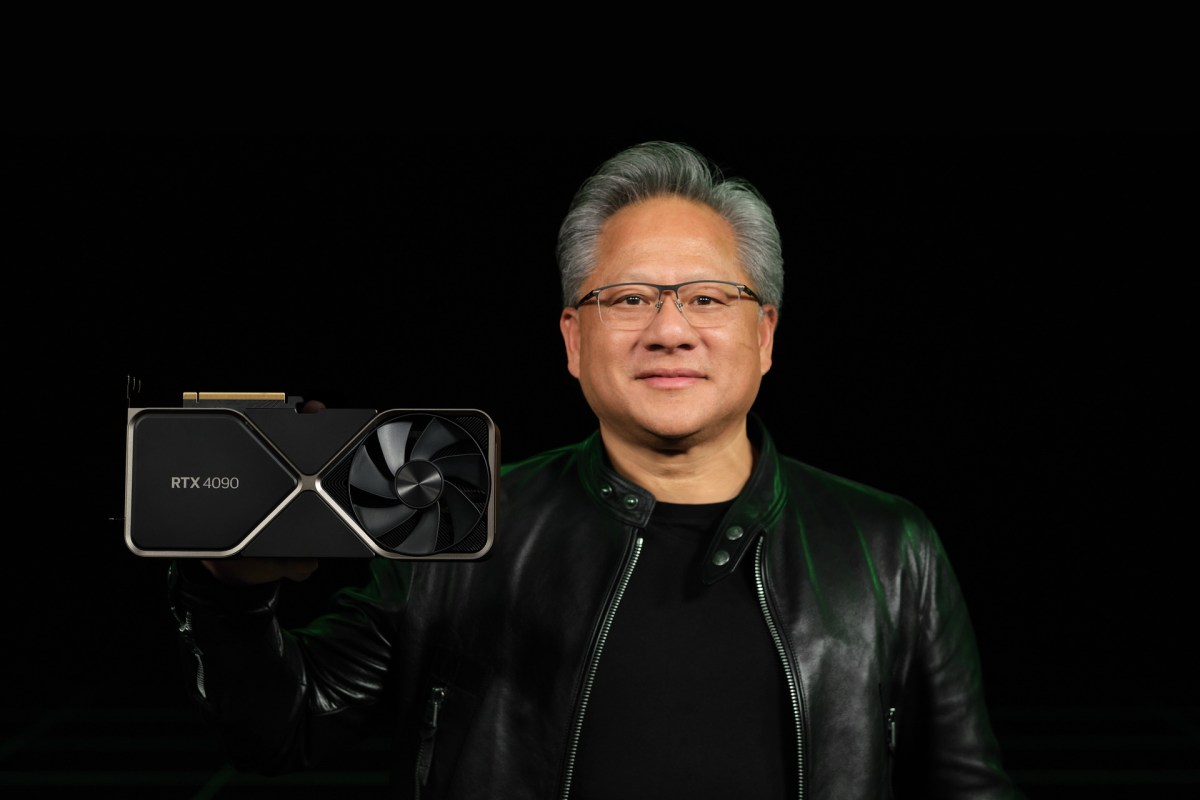
Nvidia has firmly rejected the notion that the relationship posed any threat to national security or corporate confidentiality. In an emailed statement to technology publication TechCrunch, a company spokesperson emphasized that Jensen Huang’s interactions with Alice Huang were entirely standard, routine, and indistinguishable from his engagements with thousands of other global customers.
“Jensen’s interactions with Ms. Huang are not unusual or unexpected,” the Nvidia spokesperson stated. “Meetings with customers are part of a C.E.O.’s job; Jensen talks with thousands of customer executives every year.”
Furthermore, the company maintained that regional cloud infrastructure partners operate strictly on standard commercial terms and do not possess access to proprietary corporate secrets or sensitive national security data.
“Our regional cloud customers receive ordinary business information—not sensitive NVIDIA trade secrets—and zero information relevant to national security,” the spokesperson added, seeking to quell concerns that confidential discussions involving U.S. trade policy or forthcoming semiconductor architectures could have been compromised.
The Broader Context of Export Controls and Megaspeed
The new intelligence scrutiny builds upon an ongoing federal focus on Megaspeed’s operational activities. In late 2025, the New York Times reported that the U.S. Department of Commerce had launched a formal investigation into the Singaporean firm. That probe centered on allegations that Megaspeed acted as an intermediary, facilitating the circumvention of strict U.S. export regulations designed to prevent Chinese entities from acquiring cutting-edge AI hardware.
At the center of those earlier regulatory inquiries was Alice Huang, who held a senior executive position at Megaspeed while the company was expanding its regional cloud footprint and interacting regularly with major hardware suppliers like Nvidia.
The intersection of corporate diplomacy, high-stakes trade policy, and national security oversight highlights the immense pressure facing major American technology firms as they navigate tightening regulatory frameworks. With artificial intelligence infrastructure treated increasingly as a critical national security asset by Washington, relationships between hardware suppliers and foreign cloud providers are expected to remain under intense scrutiny by federal investigators and intelligence agencies alike.




Comments (0)