


For centuries, chess has stood as the ultimate test of tactical foresight, logic, and quiet concentration. Often referred to as the Game of Kings, the ancient board game has been analyzed, mapped, and mathematically dissected down to its absolute core. Yet, despite its rigid rules and centuries of established tradition, the indie game development scene has consistently found joy in taking the classic grid and injecting it with chaos, creativity, and a heavy dose of the unexpected.
Following in the footsteps of previous indie darlings like Shotgun King—which famously armed a lone monarch with a firearm and a fierce grudge—an upcoming puzzle game titled Rulehouse is offering its own wildly imaginative spin on the traditional chess formula. Currently slated for a 2027 release on PC, Rulehouse has recently offered players a generous first-act demo via Steam, giving strategy enthusiasts and retro gaming fans alike a taste of its bizarre, rule-bending mechanics and unmistakable early-2000s aesthetic.

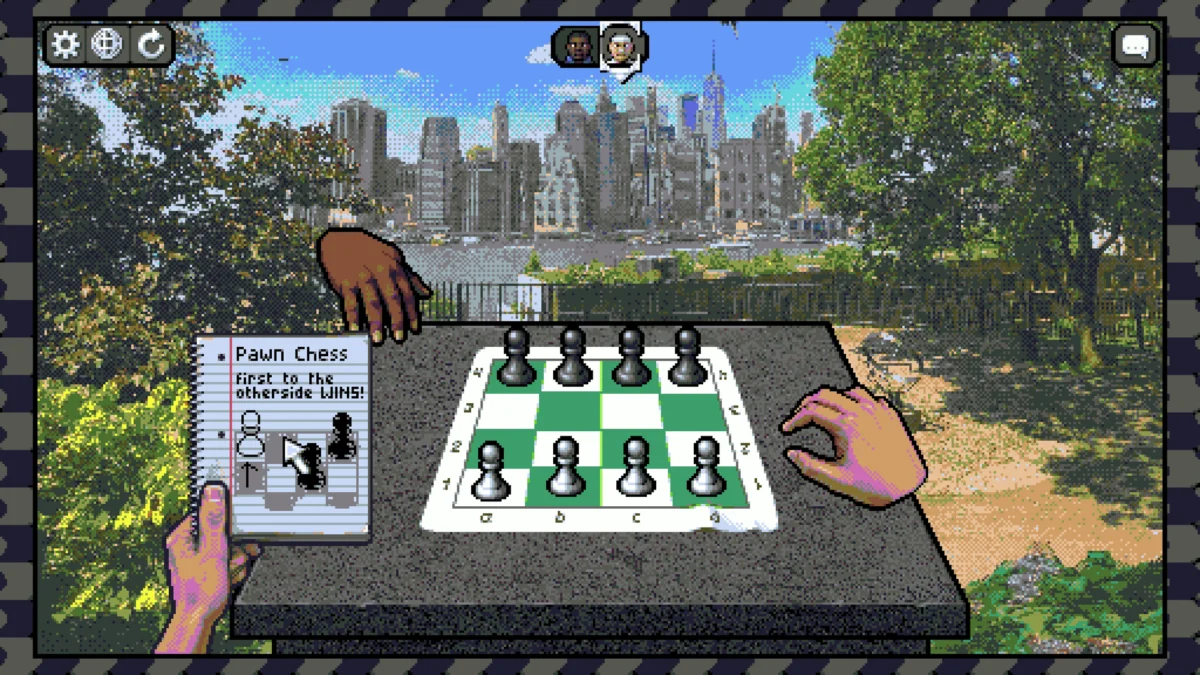
At its core, Rulehouse approaches level design with a philosophy reminiscent of WarioWare. Each stage introduces fresh mechanics, unexpected constraints, or alternate win conditions that force players to completely rethink how they interact with the chessboard. The demo’s opening levels start relatively grounded, featuring variations such as a race of pawns where the first piece to successfully cross to the opposite side of the board claims victory. However, the complexity ramps up quickly, evolving into elaborate scenarios such as a simulated prison break. In these challenging stages, enemy guards actively fire on the player’s pieces, requiring them to safely guide their king—depicted here as a protagonist clad in a prison jumpsuit—toward a designated exit square.
This steady escalation in mechanical complexity introduces genuine tactical hurdles, occasionally leaving players completely stumped on how to proceed. Rulehouse deliberately breaks away from traditional chess conventions whenever possible. Standard pieces like bishops and kings are held back until the very final moments of the demo, while knights are playfully and stubbornly referred to as "cows" throughout the experience.
Instead of a standard army, players encounter an evolving library of experimental units and environmental modifiers. The roster includes specialized options such as "ice pawns," which shatter upon capturing an opposing piece, and "poison pawns," which take down the enemy piece alongside them when they are captured. Another standout inclusion is the upside-down pawn, a piece that moves strictly along diagonals while capturing opposing pieces directly in front of it.

While not every new variant appears in every subsequent stage, the game functions much like a classic first-person shooter campaign, steadily building out a robust arsenal of enemy types, obstacles, and gameplay modifiers as the journey progresses. The sheer novelty of extracting such inventive puzzles from one of the most thoroughly studied and mathematically solved games in human history is a notable achievement. If the full game can successfully sustain this relentless pace of surprise and delight from start to finish, it promises to carve out a distinct place in the puzzle genre.
Beyond its mechanical twists, the most striking aspect of Rulehouse lies in its distinctive presentation and deadpan sense of humor. In an era where retro pixel art is ubiquitous, standing out requires a sharp sense of identity, and Rulehouse nails the look, sound, and overall atmosphere of Nintendo’s Game Boy Advance. The visuals feature the vibrant, highly saturated color palette typically associated with the iconic handheld console, paired with user interface elements that sit just a fraction too large, evoking the distinct feel of a low-resolution display.
One of the game’s most clever artistic flourishes is its juxtaposition of clean, crisp pixel art sprites against heavily bitcrushed, noisy backgrounds, many of which are sourced from real-world photography. This specific technique was frequently utilized during the Game Boy Advance era. Beyond triggering pure nostalgia, the design choice imbues the game with a uniquely early-2000s surreality—evoking memories of quirky handheld titles like WarioWare or, less intentionally, the forgotten movie tie-ins and hurried console ports that once flooded the platform.
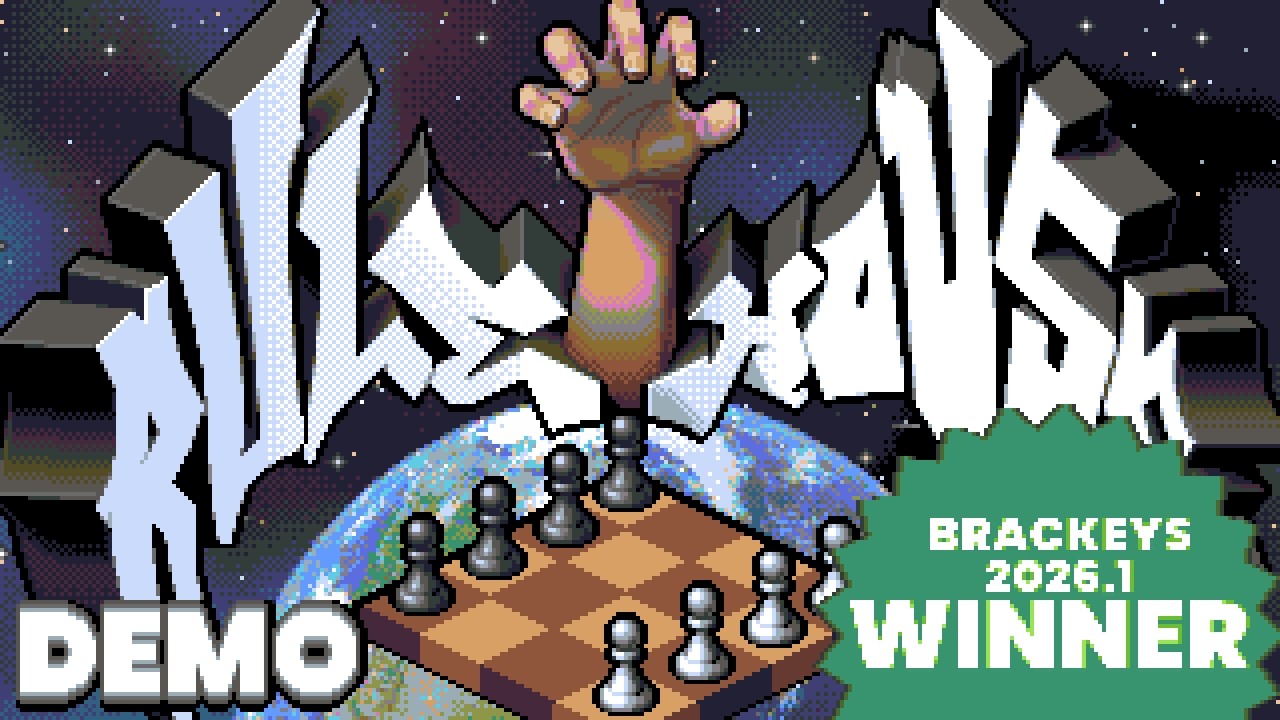
The auditory experience matches this distinct sensibility, relying on a synthy, funky soundtrack that shares spiritual DNA with titles like EarthBound, WarioWare, and modern roguelike hits like Balatro. It is immediately apparent that Rulehouse is a passionate love letter crafted by developers who intimately understand and appreciate the aesthetic language of the Game Boy Advance.
Moreover, the game is genuinely humorous. Its narrative interludes deliver a high frequency of smiles and chuckles, complementing the unpredictable rule changes and offbeat visual style to create a cohesive, charming experience. While players will have to wait until sometime in 2027 for the official launch of the full game, the playable demo is currently available on Steam for those looking to try out its unconventional chess puzzles for themselves.




Comments (0)