


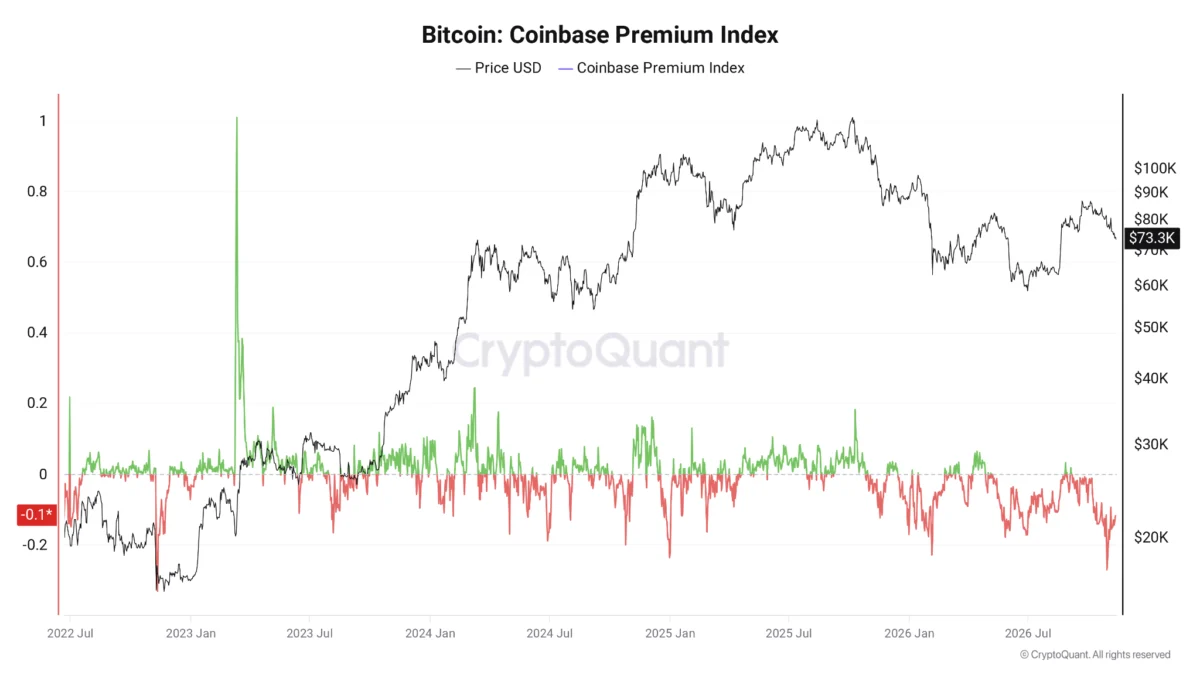
The broader cryptocurrency market is facing an intense period of liquidity contraction, highlighted by a massive withdrawal of capital from digital assets. According to recent on-chain data from analytics platform Glassnode, the total circulating supply of stablecoins plummeted by $14.2 billion over a recent 30-day window. This steep downward movement marks the most acute monthly reduction in stablecoin liquidity seen across the digital asset ecosystem since June 2022, signaling a decisive shift in investor behavior as market participants pull their capital out of the crypto economy and return to traditional fiat currency.
Stablecoins, which are digital tokens typically pegged 1:1 to the US dollar, serve as the primary lifeblood and liquidity engine of the cryptocurrency trading ecosystem. They act as the preferred bridge for traders moving in and out of volatile assets like Bitcoin and Ethereum without needing to constantly convert back to traditional bank accounts. Consequently, changes in the aggregate supply of stablecoins are widely treated by market analysts as one of the most reliable barometers for overall crypto market sentiment, risk appetite, and capital inflows or outflows.
When the aggregate supply of stablecoins expands, it typically indicates that fresh fiat capital is entering the ecosystem, paving the way for potential market rallies. Conversely, a prolonged contraction points to capital flight. Explaining the mechanics behind the latest contraction, Glassnode noted in its weekly research report that a shrinking supply means holders are actively redeeming their stablecoins for fiat dollars and removing that cash entirely from the market. This process strips away the purchasing power and liquidity required to fuel sustained upward price momentum, leaving risk assets increasingly vulnerable to downward pressure.

The severity of the current drawdown becomes even clearer when compared to previous market stress events. The latest 30-day contraction of $14.2 billion easily surpasses the $9.5 billion drop recorded earlier in the year when Bitcoin’s price dipped below $58,000 on July 1. More broadly, it represents the most pronounced structural liquidity withdrawal since June 2022, a brutal period in crypto market history when aggregate stablecoin supply shrank by nearly $30 billion amid widespread deleveraging and structural industry contagion.
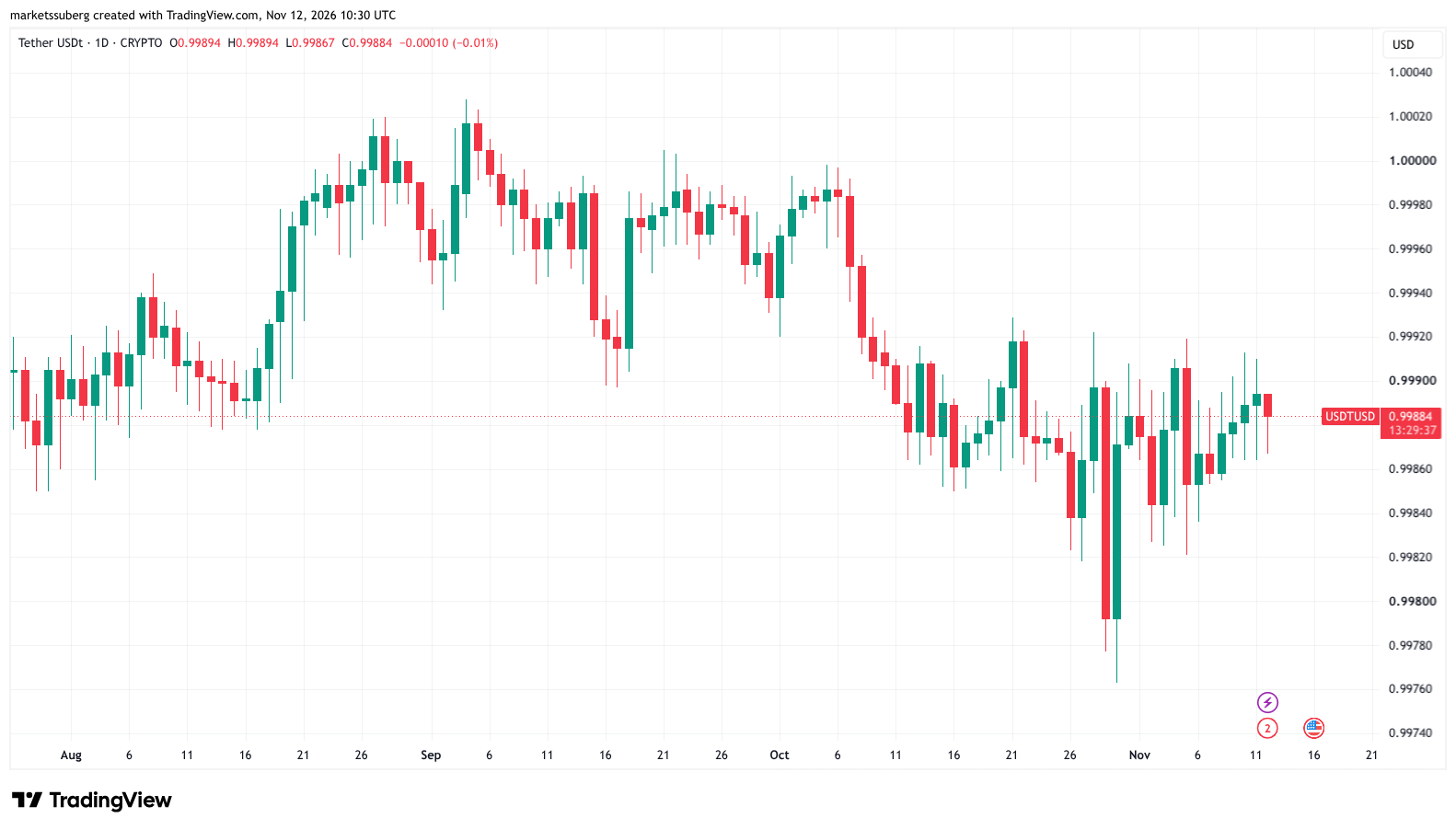
The intense selling pressure and capital rotation are also beginning to impact the structural integrity of major stablecoin pegs. Tether’s USDT, which commands the largest market capitalization among all stablecoins, has been observed trading slightly below its nominal $1 parity on various exchange order books, according to real-time data from TradingView. Glassnode analysts attribute this slight de-pegging pressure directly to the heavy waves of investors rotating out of the stablecoin market en masse, liquidating their holdings, and withdrawing cash from exchanges. Until this trend reverses and the 30-day change metric returns to positive territory, market observers warn that it will be difficult to establish a firm foundation for a new bull run, as a return to positive growth remains the primary indicator that fresh money is finally returning to the ecosystem.
Stablecoin Supply Drop Most Acute Since June 2022
The contraction in stablecoin liquidity does not exist in a vacuum; it is part of a broader, synchronized wave of weakening demand metrics across the entire digital asset landscape. As Bitcoin continues to struggle near multi-week price lows, testing the patience of both retail and institutional participants, various on-chain indicators confirm that capital is leaving the market at an accelerated pace.
In tandem with the stablecoin data, on-chain analytics platform CryptoQuant released figures showing that its comprehensive measure of aggregate Bitcoin demand fell by a staggering 284,000 BTC over a 30-day period. This represents the most pronounced demand downturn recorded by the metric since March 2025, underscoring a widespread reluctance among market participants to deploy capital into flagship cryptocurrencies amid macroeconomic uncertainties and discouraging inflation data. Furthermore, short-term holders have been feeling the heat, recently transferring tens of thousands of Bitcoin to centralized exchanges at a realized loss as they capitulate under the weight of declining prices.
Coinbase Premium Stays Negative After Four-Year Lows
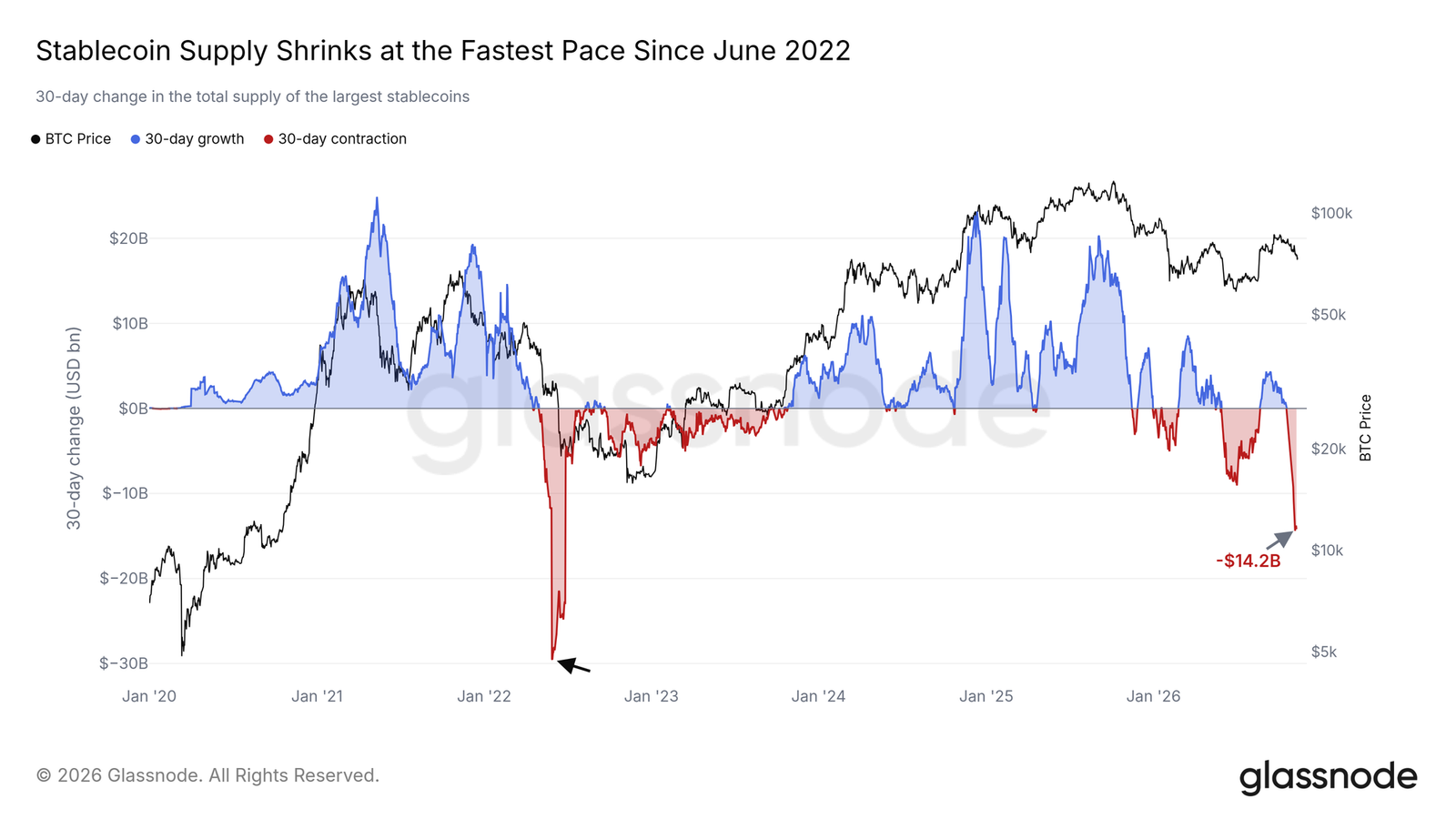
Adding to the bearish narrative is the persistent weakness observed in US-based trading demand, which is tracked closely through the Coinbase Premium Index. The index, which measures the percentage difference between Bitcoin’s price on Coinbase—widely considered a primary venue for US institutional and high-net-worth trading activity—and Binance’s global BTC/USDT price pair, has remained stubbornly negative.
The index experienced a dramatic
plunge, hitting -0.27% in late October. This marked its lowest reading since November 2022, a historically significant period defined by severe market stress following the collapse of major industry players. Commenting on the depth of the discount, CryptoQuant contributing analyst Amr Taha noted that such an unusually deep negative premium suggests notably weaker relative demand or significantly heavier selling pressure originating specifically on Coinbase compared to offshore counterparties.
As these multi-faceted indicators of declining liquidity, negative premium spreads, and retreating stablecoin supplies converge, the cryptocurrency market finds itself navigating a challenging environment. With institutional and retail investors alike choosing to sideline capital or exit the asset class entirely, the near-term outlook hinges heavily on whether macroeconomic conditions will shift enough to entice fresh capital back onto exchanges and reverse the current multi-billion-dollar outflow trend.





Comments (0)