


As artificial intelligence continues to transform global industries, a prominent debate has emerged regarding the sustainability of the massive capital expenditures pouring into the sector. While a growing chorus of market skeptics warns that the rapid deployment of hardware and data centers is creating a dangerous speculative bubble driven by an overbuild of infrastructure, alternative analyses suggest a vastly different trajectory for the technology landscape.
Addressing this widespread market sentiment, technology writer and researcher Kerman Kohli has published an extensive, 8,000-word essay titled "Silicon Control," challenging the narrative that the artificial intelligence sector is careening toward an infrastructure glut. Contrary to mainstream fears that the market is oversupplied and heading for a painful correction, Kohli’s comprehensive analysis argues that the technology sector is locked into a multi-year trajectory defined not by excess capacity, but by persistent supply constraints that could easily span a decade.
The prevailing market anxiety stems from the unprecedented scale of investment by major technology conglomerates into specialized chips, advanced data centers, cooling systems, and electrical power generation. Billions of dollars have been committed to procuring advanced processing units designed to train and run massive machine learning models. Skeptics frequently point to these staggering outlays as evidence of an unsustainable bubble reminiscent of past technological overextensions, warning that capacity will soon outstrip organic enterprise demand.
However, "Silicon Control" contends that this perspective fundamentally miscalculates the structural dynamics of computing demand and the intricacies of the underlying hardware supply chain. Rather than facing an impending oversupply, the ecosystem is entering a prolonged phase where the physical limitations of manufacturing and the relentless escalation of computational requirements will keep supply tightly restricted.
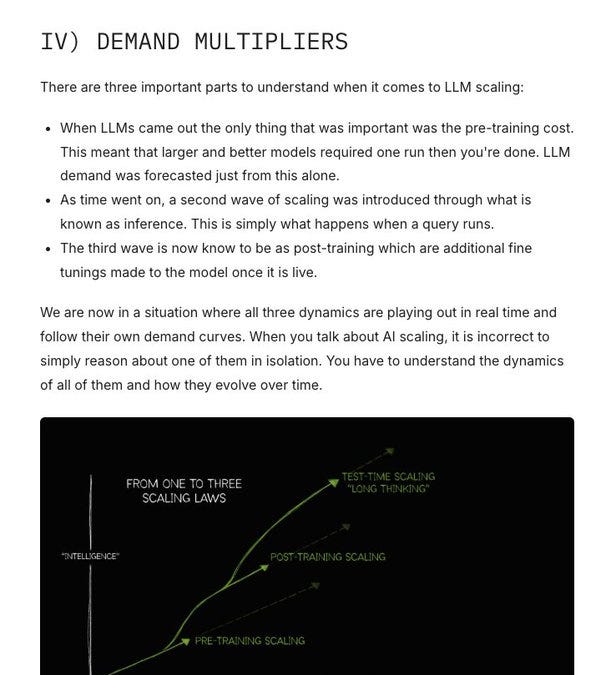
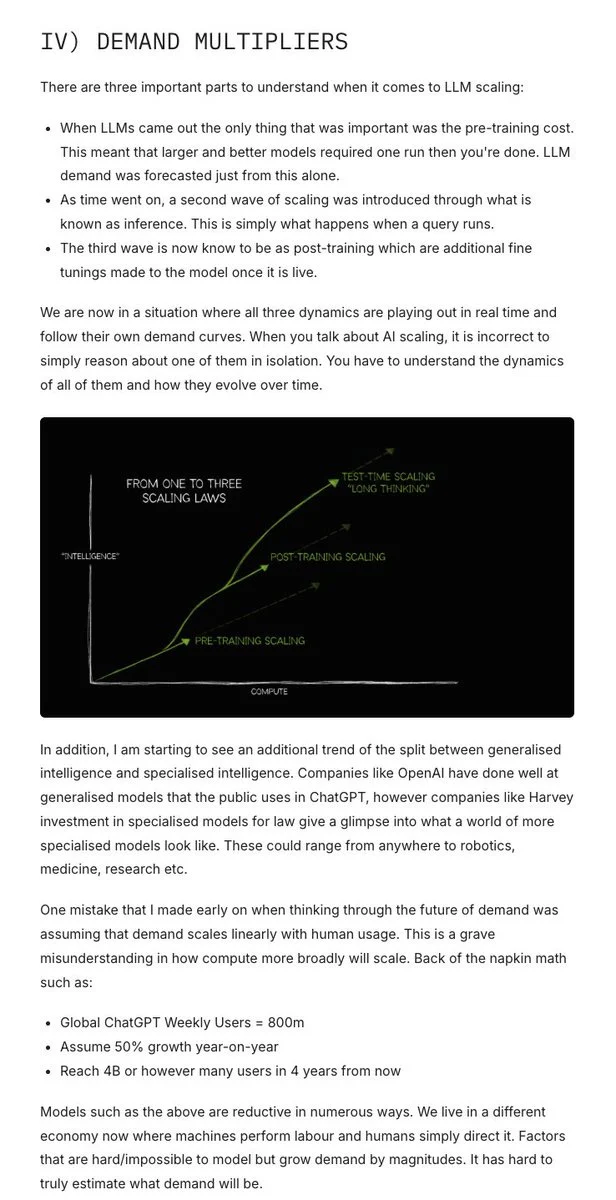
At the core of Kohli’s thesis is the foundational case for what is described as infinite compute. As artificial intelligence models grow increasingly sophisticated and integrated into commercial and consumer workflows, the appetite for processing power shows no sign of reaching a plateau. Instead of stabilizing once baseline models are established, demand is projected to scale continuously as algorithms take on more complex reasoning tasks, multimodal processing, autonomous agents, and real-time enterprise operations. This expanding horizon of use cases means that every incremental breakthrough in model efficiency tends to unlock broader application layers, thereby driving even higher aggregate demand for underlying silicon.
Compounding these demand-side factors are widespread investor misconceptions regarding the global semiconductor supply chain. The path from raw materials to advanced logic chips deployed in a server rack involves an extraordinarily fragile, highly concentrated, and capital-intensive network of specialized firms. From lithography equipment providers and silicon wafer manufacturers to packaging specialists and advanced foundries, the production bottlenecks are deeply entrenched. According to the essay’s findings, the future architecture of the industry is heading toward an elite silicon monopoly comprising fewer than 20 core companies capable of operating at the absolute cutting edge of semiconductor physics and manufacturing.
This high degree of industry consolidation means that scaling up physical infrastructure cannot happen overnight, regardless of how much capital is made available by technology giants. The lead times required to design, construct, and equip advanced fabrication facilities, secure specialized manufacturing equipment, and guarantee the massive power supplies needed to run them create an inherent structural lag. Consequently, even if demand were to experience temporary fluctuations, the physical realities of chip production ensure that supply will struggle to keep pace with the exponential growth curves projected for artificial intelligence deployment over the coming decade.
The implications of this prolonged supply restriction extend far beyond the semiconductor industry itself, influencing enterprise adoption strategies, corporate competitive advantages, and global economic trends. If the technology sector remains constrained by the availability of advanced silicon for the next ten years, access to compute will become a definitive geopolitical and corporate differentiator. Companies and nations that secure reliable allocations of processing power will dictate the pace of innovation, while others find themselves locked out of the next generation of technological advancement.
By detailing the mechanisms driving infinite compute, dissecting the structural limitations of the supply chain, and outlining the emergence of a tightly controlled manufacturing oligopoly, "Silicon Control" offers a starkly counter-intuitive framework for understanding the current macroeconomic environment surrounding artificial intelligence. While financial markets will undoubtedly continue to debate the timing and valuation of tech expenditures, the underlying thesis suggests that the physical bottlenecks shaping the industry are far more durable than short-term market corrections imply.


Comments (0)