



The trajectory of global compute demand is defying traditional Wall Street models, shifting the conversation from a cyclical semiconductor boom to a permanent structural shortage. Since the middle of 2025, when early warnings about widespread hardware constraints began to surface, the reality of exponential compute growth has consistently outpaced market projections. While financial analysts traditionally model future semiconductor needs using linear frameworks—predicting roughly a tenfold increase in compute usage by 2030—the actual deployment across labs and infrastructure paints a vastly different picture. AI research labs are currently doubling their compute capacity every year purely on a gigawatt scale, while infrastructure and application workloads are experiencing surges of ten to one hundred times every two to three years.

This parabolic demand curve has left industry observers divided into two distinct camps. On one side, traditional market analysts and bears view the massive capital expenditures pouring into artificial intelligence as a temporary bubble running ahead of actual demand. They anticipate a correction where supply eventually catches up or demand plateaus, marking a peak similar to historical semiconductor cycles. Proponents of this view often point to historical precedents, such as Micron’s earnings cycles, where stock prices and financial performance have historically moved in tandem, occasionally plunging into negative earnings after massive expansion cycles. Under this conservative financial lens, Wall Street earnings forecasts largely flatline after the current infrastructure build-out concludes, pricing high-performing memory stocks at relatively modest forward price-to-earnings multiples on the assumption that growth will abruptly halt.
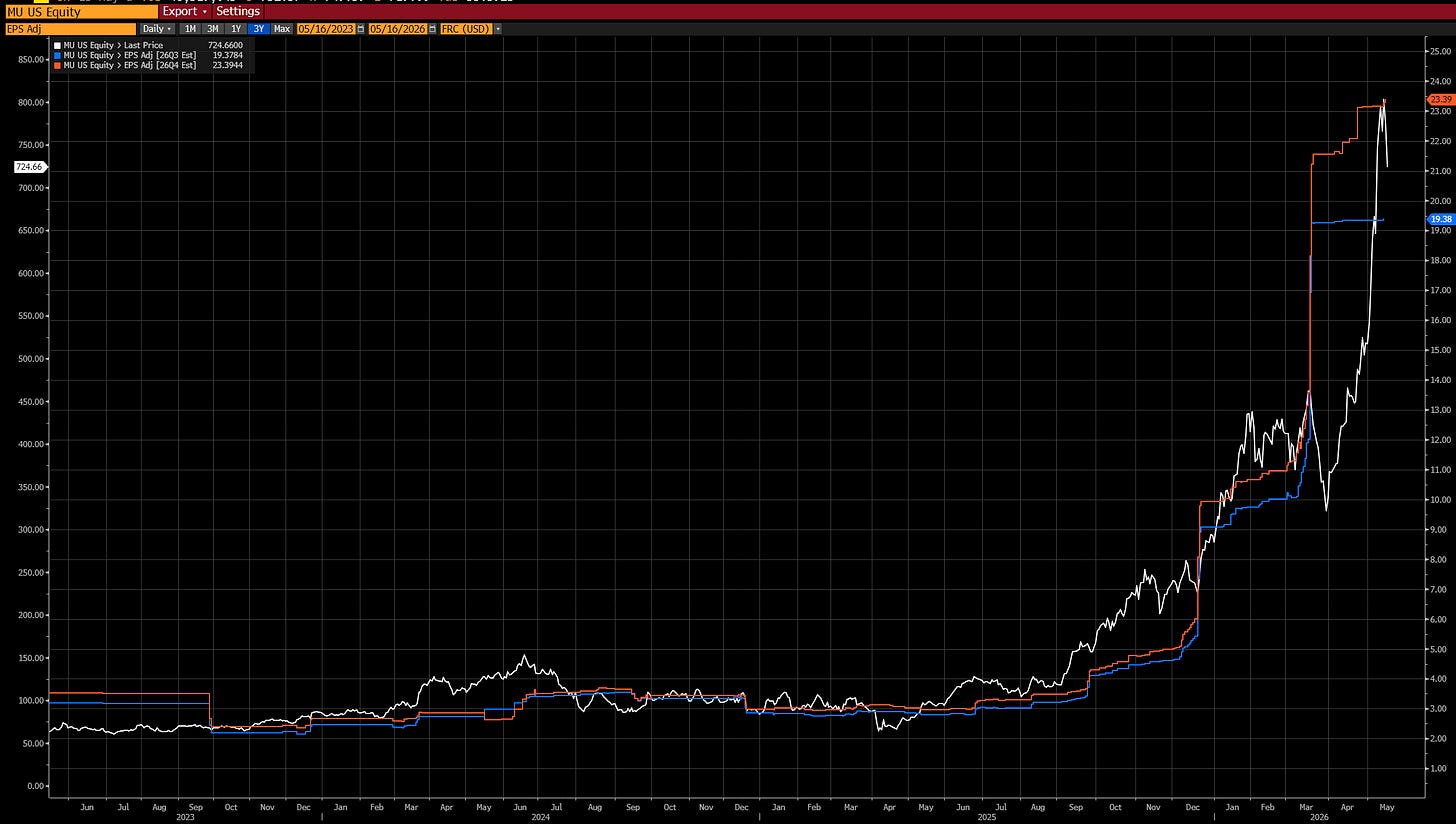
Conversely, the bull case and industry insiders argue that comparing the next five years to the previous five fundamentally misunderstands the structural transformation currently underway. Major industry leaders, including SK Group Chairman Chey Tae-won, have publicly cautioned that severe supply shortages could persist well toward the end of the decade. Speaking at industry gatherings, executives have highlighted structural deficits exceeding twenty percent for core semiconductor wafers, noting that adding fresh wafer fabrication capacity requires a lead time of four to five years. Major memory manufacturers are scrambling to bring new facilities online to bridge the gap. SK Hynix opened its M15X plant in South Korea and accelerated its Yongin fab schedule, while Samsung and Micron have slated major fabrication expansions across South Korea, Idaho, Singapore, Taiwan, and Japan for the coming years. Despite these aggressive timelines, supply constraints remain painfully acute, leaving individual manufacturers to shoulder heavy production loads in the near term.
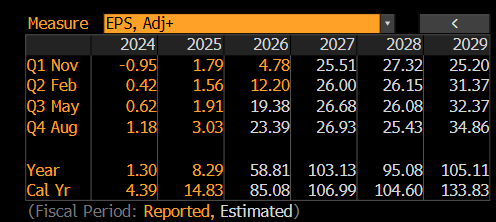
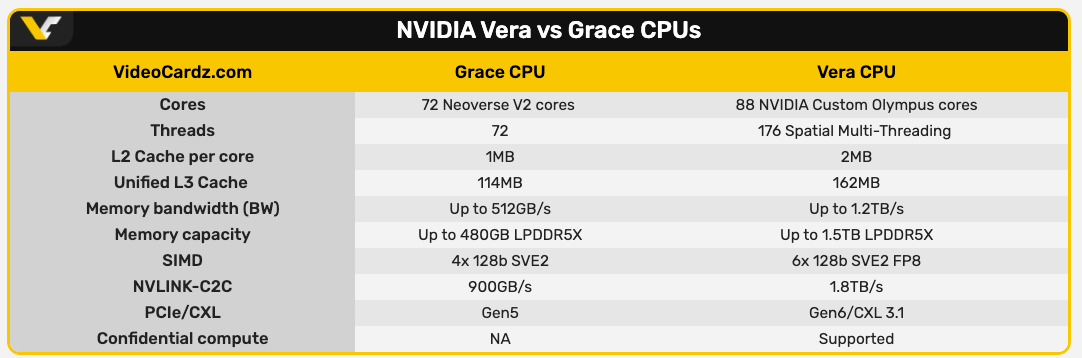
The physical architecture of next-generation hardware further compounds these supply pressures. Upcoming hardware generations, such as Nvidia’s Vera Rubin CPU platforms integrated into advanced rack systems, demand exponentially higher memory capacities—consuming up to 1.5 terabytes of memory, which represents a threefold increase over previous Grace CPU architectures. This insatiable appetite for high-bandwidth memory feeds directly into a massive multi-billion-dollar industry backlog. However, the primary bottleneck is no longer simply a matter of willing buyers and capital availability; it is increasingly governed by the uncompromising limits of physics and manufacturing complexity.
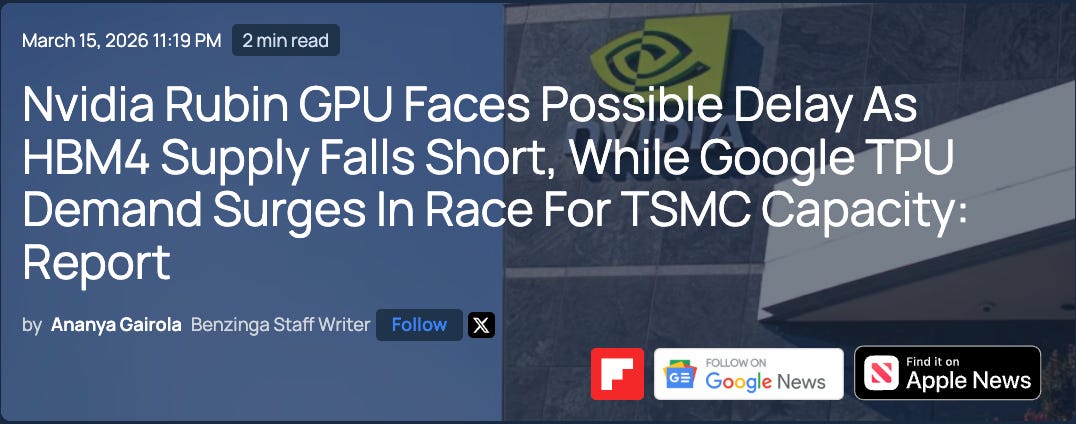
High-bandwidth memory represents a specialized class of components that only a handful of global manufacturers can successfully produce. Even as manufacturing lines attempt to scale, the transition to next-generation components like HBM4 has encountered technical hurdles, including necessary redesigns of base-die components that can temporarily delay shipments by quarters. Furthermore, producing the memory chip is only the first hurdle. These components must be meticulously packaged alongside graphics processing units and other elements onto silicon interposers using advanced packaging techniques, a specialized process dominated by industry leaders like Taiwan Semiconductor Manufacturing Company. Because TSMC faces its own capacity limits, advanced packaging functions as a critical secondary bottleneck, preventing any risk of the market being flooded with excess memory chips.

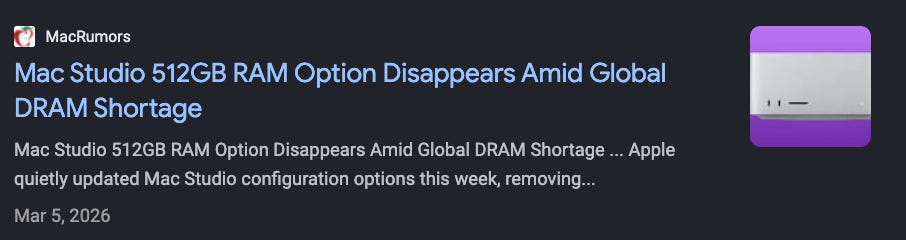
These macro-level shortages are already cascading down into consumer and enterprise markets, serving as micro-level indicators of a broader hardware squeeze. Over recent months, high-performance computing configurations featuring intermediate and large memory capacities have steadily disappeared from direct retail channels, with secondary markets commanding significant premiums for remaining inventory. As standard configurations are systematically phased out due to component shortages, access to high-density compute is transforming from a commercial transaction into a scarce privilege.
This hardware scarcity threatens to reshape the economic landscape of technology. Rather than triggering a collapse of the artificial intelligence sector, tight supply conditions are creating an environment where compute landlords possess immense pricing power, gradually pricing out smaller competitors and independent developers. Parallels drawn from industrial and geopolitical resource bottlenecks suggest that compute will increasingly be reserved for the most economically and strategically vital use cases. Major corporations are already engaged in fierce competition to lock down reliable compute allocations, while national governments intervene directly to encourage domestic infrastructure build-outs and secure supply chains.
As these trends accelerate toward the latter half of the decade, industry analysts warn that advanced economies may face structural compute ceilings at the national level. The race for processing power is poised to expand globally, transforming any real estate parcel with sufficient electrical power into a high-value strategic asset. In this evolving paradigm, compute is rapidly supplanting traditional capital as the primary currency of power, redefining the relationship between labor, technology, and economic influence as the global compute wars press forward.




Comments (0)